

Choosing the right espresso size cup may seem like a minor detail, but for home baristas and coffee enthusiasts, it's a decision that directly impacts temperature retention, crema preservation, and the overall drinking experience. Whether you're pulling your first shot on a new machine or refining your daily ritual, understanding espresso cup dimensions helps you serve café-quality espresso in your own kitchen.
At Rethink Cafe, we've spent years helping home baristas build setups that rival professional cafés. In this comprehensive guide, you'll learn exactly what size is an espresso cup, the difference between single and double shot vessels, and how to select the perfect option for your brewing style. We'll also show you which specific features matter most when choosing your ideal espresso cup.

What is the Standard Size of an Espresso Cup?
The standard espresso cup size varies depending on whether you're serving a single or double shot. For a traditional single espresso (solo), the ideal capacity ranges from 2 to 3 ounces (60-90ml). These small vessels, often called demitasse cups, are specifically designed to concentrate the espresso's aromatics while maintaining heat.
For double espressos (doppio), the standard capacity increases to 3-4 ounces (90-120ml). This additional space accommodates the larger volume while still leaving enough room for a light layer of crema on top without overflow.
Key Takeaway: A proper espresso cup should hold slightly more liquid than your shot volume to preserve crema and temperature, but not so much that the small amount of espresso looks lost in a cavernous vessel.
Single vs Double Espresso Cup Sizes
Understanding the distinction between single and double espresso cup sizes helps you build a complete home setup. Here's a clear breakdown:
- Single Shot Cup: 2-3 oz (60-90ml) capacity, ideal for 1 oz (30ml) of extracted espresso
- Double Shot Cup: 3-4 oz (90-120ml) capacity, ideal for 2 oz (60ml) of extracted espresso
- Ristretto Cup: 2-2.5 oz capacity for concentrated short shots
- Lungo Cup: 4-5 oz capacity for longer extractions

Many experienced home baristas keep multiple cup sizes on hand. This allows you to match the vessel precisely to your extraction parameters, whether you're dialing in a bright Ethiopian single-origin as a ristretto or enjoying a traditional Italian-style double shot.
Understanding Espresso Cup Dimensions and Volume
When shopping for espresso cup dimensions, you'll encounter measurements in both ounces and milliliters. Understanding the conversion helps you make informed decisions:
| Cup Size Category | Capacity (oz) | Capacity (ml) | Best For |
|---|---|---|---|
| Demitasse (Single) | 2-3 oz | 60-90 ml | Single espresso shots |
| Standard Double | 3-4 oz | 90-120 ml | Double espresso shots |
| Macchiato | 3-4 oz | 90-120 ml | Espresso with dash of milk |
| Cortado | 4-5 oz | 120-150 ml | Equal parts espresso and steamed milk |
When considering how many oz your espresso cup should hold, remember that the listed capacity represents total volume, not recommended fill level. You want roughly 20% headspace above your espresso to preserve the crema and prevent spills when carrying.
Why the Right Espresso Size Cup Matters
The relationship between cup size and espresso quality extends far beyond aesthetics. Here are the critical factors that make proper sizing essential:
Temperature Retention
Espresso is best enjoyed between 150-160°F immediately after extraction. Cups that are too large allow heat to dissipate rapidly, while properly sized vessels maintain optimal temperature from first sip to last.
Crema Preservation
The golden layer of crema represents emulsified oils and aromatic compounds that contribute significantly to flavor. A cup sized appropriately for your shot volume keeps this delicate foam intact rather than allowing it to break against oversized vessel walls.

Aromatic Concentration
The tapered shape of traditional espresso cup dimensions concentrates volatile aromatics toward your nose as you drink, enhancing the sensory experience. Wide, open cups allow these precious aromatics to escape before reaching your senses.
Material Considerations for Espresso Cups
Beyond size, the material of your espresso cup significantly impacts performance. Ceramic options, like our Ceramic Espresso Cup and Saucer Set for Latte Art, offer excellent heat retention and a premium feel. Glass options showcase the visual beauty of your extraction and crema while double-wall designs provide insulation.

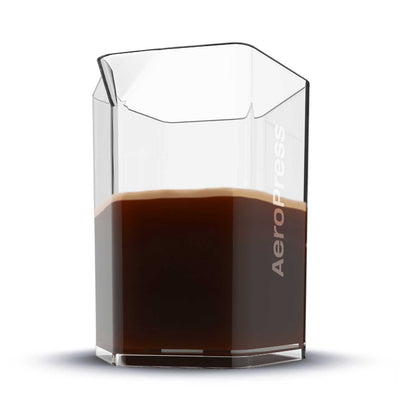


How to Choose Your Perfect Espresso Cup
When evaluating espresso cup how many oz and which style suits your needs, consider these factors:
- Your Typical Shot Volume: Measure your usual extraction output and choose a cup with 25-30% additional capacity
- Brewing Style: Straight espresso drinkers need different vessels than those who enjoy cappuccinos or cortados
- Temperature Preference: Double-wall glass and thick ceramic retain heat differently
- Storage Space: Stackable designs save counter space in compact home setups
- Visual Appreciation: Clear glass lets you admire your extraction and crema quality
Precision-focused baristas may also appreciate graduated markings for consistent shot volume measurement. Our 60mL Borosilicate Glass Espresso Shot Cup with Scale features dual OZ/mL graduation markings that help you dial in your grind and extraction parameters with scientific accuracy.

Ceramic Espresso Cup and Saucer Set for Latte Art
$23.90 $48.00
High-fired ceramic espresso cup available in 90ml (3oz) or 280ml sizes with egg-shaped profile for perfect latte art pours and matching saucer.
Explore ProductFor those who appreciate the visual artistry of espresso, our Double Wall Borosilicate Glass Espresso Cups combine thermal efficiency with crystal-clear design that showcases your crema development.
Recommended Glass Espresso Cups

Double-walled borosilicate glass cups keep espresso hot while the outer wall stays cool, featuring crystal-clear design to admire your crema. Learn more ➔

60mL Borosilicate Glass Espresso Shot Cup with Scale
$12.90
$22.00
Hand-blown glass espresso cup with dual OZ/mL graduation markings for precise shot measurement and thermal shock resistance. Learn more ➔
Common Misconceptions About Espresso Cup Sizes
Several myths persist about espresso measurements that can lead to poor cup selection. Let's address the most common misconceptions:
"Espresso is 4 oz" - This is incorrect. A standard double espresso measures approximately 2 oz (60ml) of liquid. While some American coffee shops serve larger "espresso drinks," true Italian-style espresso remains concentrated. Using a 4 oz cup for a double espresso is appropriate because it provides necessary headspace, but the actual beverage volume is 2 oz.
"Any small cup works for espresso" - While technically true, specialty espresso cups are engineered with specific shapes that concentrate aromatics. The curvature and wall thickness matter more than many home baristas realize.
"Bigger cups prevent spills" - Oversized vessels actually cool your espresso faster and break the crema. The proper solution is learning proper extraction volume rather than compensating with larger cups.
For more detailed information on brewing techniques and extraction parameters, the Specialty Coffee Association offers excellent educational resources for home baristas.
Conclusion: Elevating Your Home Espresso Experience
Understanding how big is an espresso cup and selecting the right dimensions transforms your daily coffee ritual from routine to remarkable. The proper vessel preserves temperature, protects your hard-won crema, and concentrates the aromatics that make espresso truly special.
At Rethink Cafe, we curate espresso cups specifically for home baristas who refuse to compromise on quality. From precision-graduated glass measuring cups to beautifully crafted ceramic sets, every product in our collection meets the exacting standards of serious coffee enthusiasts.
Whether you're pulling your first shot or your thousandth, the right espresso size cup ensures that every extraction reaches its full potential. Ready to upgrade your home café setup? Explore our complete collection of espresso cups, accessories, and brewing equipment designed for those who take their coffee seriously.
Frequently Asked Questions About Espresso Cup Sizes
The standard size of an espresso cup ranges from 2-3 ounces (60-90ml) for single shots and 3-4 ounces (90-120ml) for double shots. These dimensions, known as demitasse cups, are specifically designed to concentrate aromatics while maintaining optimal temperature. The capacity should exceed your actual shot volume by approximately 25-30% to preserve crema and prevent spills.
No, traditional espresso is not 4 oz. A standard double espresso contains approximately 2 oz (60ml) of extracted liquid, while a single espresso is about 1 oz (30ml). While some American coffee shops serve larger variations, authentic Italian-style espresso remains concentrated. A 4 oz cup is appropriate for serving a double espresso because it provides necessary headspace, but the actual beverage volume is 2 oz.
A single espresso shot is typically 1 oz (30ml), while a double espresso shot is 2 oz (60ml). Modern specialty coffee shops often use precise scales rather than volume measurements, targeting 18-20 grams of ground coffee for a double shot with output ratios between 1:1.5 and 1:2.5 depending on the desired strength and extraction style.
No, one espresso is not equal to one cup of drip coffee in terms of volume, though they may contain similar caffeine content. A standard cup of drip coffee is 8 oz (240ml), while a double espresso is only 2 oz (60ml). However, espresso is more concentrated, so the caffeine levels are often comparable. The brewing method, grind size, and pressure extraction create fundamentally different beverages despite similar caffeine levels.
For a double espresso, use a cup with 3-4 ounces (90-120ml) capacity. This provides approximately 25-30% headspace above the 2 oz (60ml) shot, preserving your crema and preventing temperature loss. Cups smaller than 3 oz risk overflow, while cups larger than 4 oz cool the espresso too quickly and dilute the concentrated aromatics that make espresso special.


