Creating the perfect home coffee bar starts with choosing the right foundation. Whether you're upgrading from a cluttered kitchen counter or designing your dream espresso corner from scratch, a dedicated coffee station table transforms your daily brewing ritual from chaotic to exceptional. The furniture you select doesn't just hold your espresso machine—it sets the tone for your entire coffee experience, keeps your workflow efficient, and turns your morning routine into something you genuinely look forward to.
At Rethink Cafe, we've helped thousands of home baristas build their ideal setups, and we've learned that the right coffee station furniture can make or break your barista experience. In this guide, you'll discover how to choose between console tables, sideboards, and stands that perfectly match your space, style, and brewing ambitions. We'll cover everything from optimal heights and storage solutions to styling tips that make your coffee corner both functional and Instagram-worthy.
What is a Coffee Station Table?
A coffee station table is dedicated furniture designed specifically to house your coffee equipment, supplies, and accessories in one organized location. Unlike standard kitchen counters or makeshift surfaces, these specialized pieces offer features that cater to the unique needs of home baristas.
The best coffee station furniture combines practical considerations—like water-resistant surfaces, appropriate height for comfortable brewing, and storage for beans and tools—with aesthetic appeal that complements your home decor. Whether you prefer a sleek modern look or a warm farmhouse vibe, there's a coffee station table designed to match your vision.
Types of Coffee Station Tables
Console Tables for Coffee Stations
A console table for coffee station setups offers the perfect blend of compact footprint and surface area. Typically ranging from 30 to 48 inches wide and 12 to 15 inches deep, these narrow tables fit beautifully against walls in kitchens, dining rooms, or home offices without overwhelming your space.
Console tables shine in apartments and smaller homes where every square foot matters. Many feature open lower shelves perfect for storing extra mugs, filters, or a bean storage canister. Look for models with at least 36 inches in height to match standard kitchen counters—this ergonomic detail prevents back strain during those early-morning shot pulls.
Sideboard Coffee Station Options
When storage is your priority, a sideboard coffee station delivers in spades. These substantial pieces typically measure 50 to 72 inches wide with cabinet doors and drawers that hide away equipment, supplies, and accessories when not in use.
Sideboards work exceptionally well for serious home baristas who own multiple machines, grinders, and extensive tool collections. The concealed storage keeps dust off your equipment while maintaining a clean, organized appearance. Many sideboards also feature expansive top surfaces that can accommodate larger espresso machines alongside grinders and scales.
Coffee Station Stands and Carts
For maximum flexibility, consider a coffee station stand or rolling cart. These mobile solutions let you relocate your brewing setup as needed—perfect for entertaining or for homes where the kitchen layout changes seasonally.
Modern coffee carts often feature locking wheels, adjustable shelves, and built-in hooks for hanging tools. They're particularly popular among home baristas who enjoy experimenting with different brewing methods and need to reconfigure their workflow frequently.

What Height Should a Coffee Station Table Be?
One of the most critical factors when selecting your coffee bar table is height. The industry standard recommendation is 36 inches, which aligns with standard kitchen counter height. This measurement ensures comfortable, ergonomic brewing posture whether you're pulling espresso shots, steaming milk, or preparing pour-over coffee.
Tables significantly shorter than 36 inches force you to hunch over during preparation, leading to back and neck strain during longer brewing sessions. Conversely, tables much taller than this standard can make reaching equipment awkward and may not accommodate standard barista stools if you prefer to sit while brewing.
If you already have kitchen counters at standard height, matching your coffee station table to this measurement creates visual cohesion and makes your coffee bar feel like a natural extension of your kitchen rather than an afterthought.
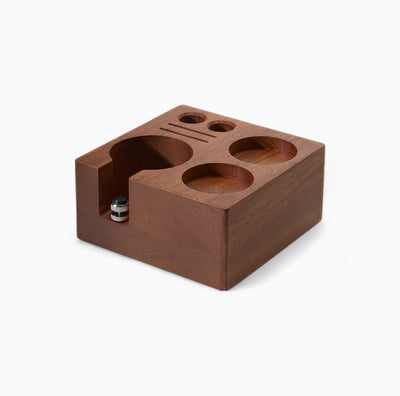
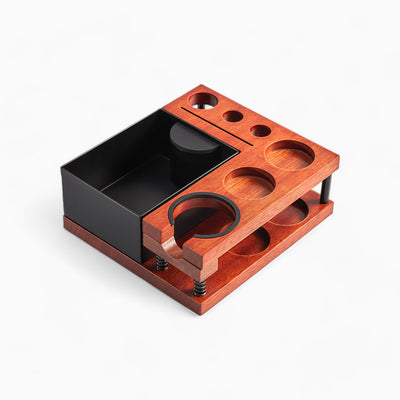
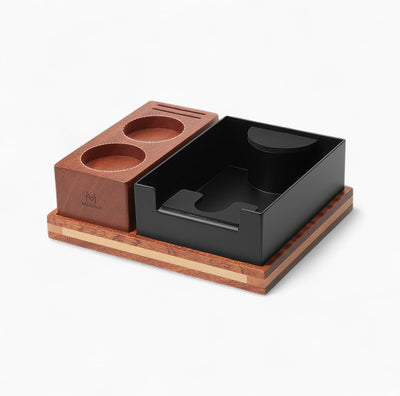

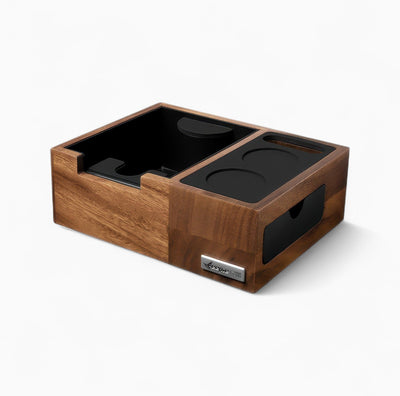
Storage Solutions for Your Coffee Station Furniture
Effective storage transforms a beautiful coffee station into a highly functional workspace. When evaluating espresso station furniture, consider these storage essentials:
- Dedicated drawers for tampers, distributors, and WDT tools—keeping your most-used accessories within arm's reach
- Open shelving for displaying your favorite mugs and daily-use equipment
- Closed cabinets for hiding backup supplies, cleaning products, and less-frequently used items
- Cable management features to route power cords cleanly behind the unit
Even the most thoughtfully chosen furniture benefits from smart organizational accessories. The difference between a cluttered coffee corner and a professional-grade setup often comes down to how well you manage the small details.

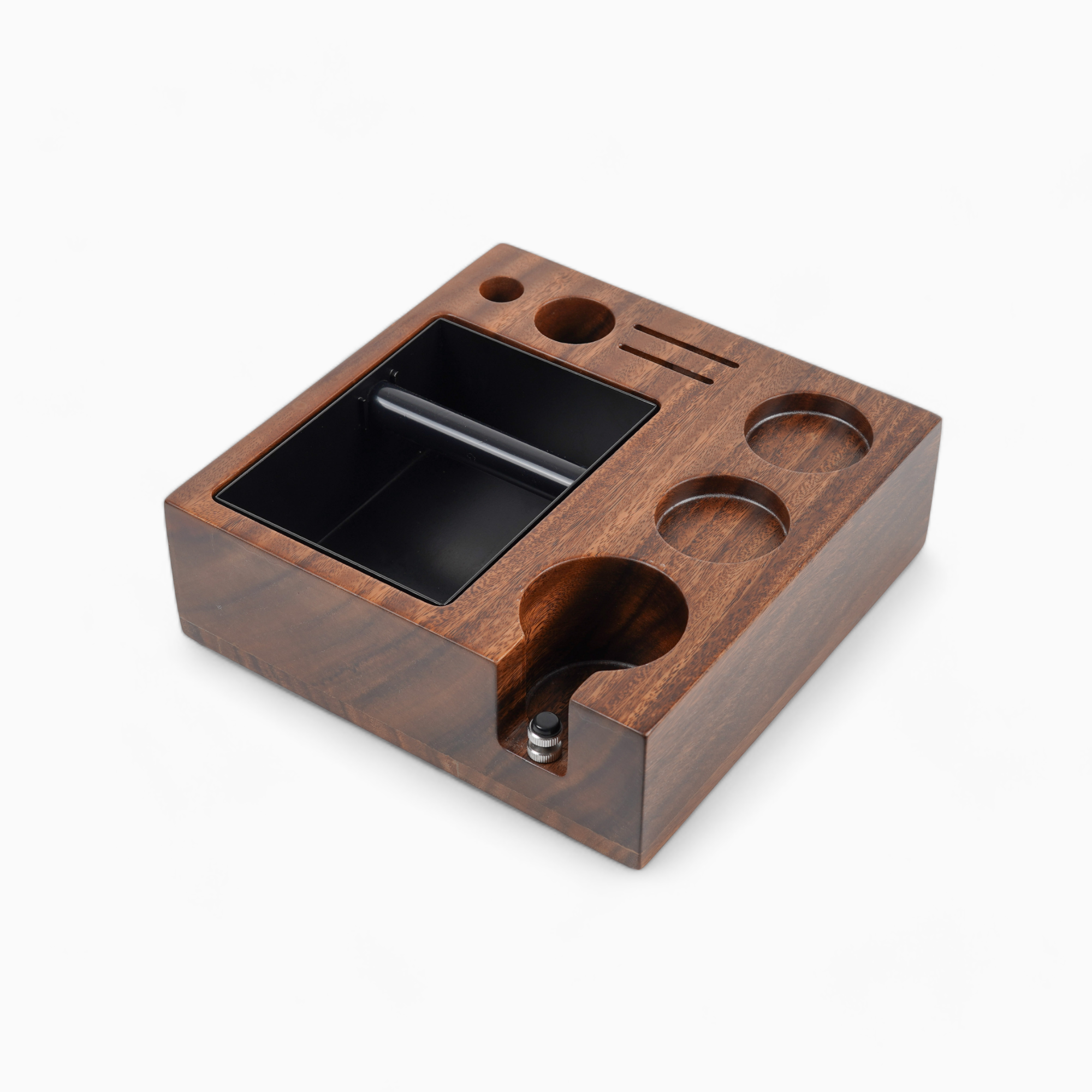
Espresso Coffee Organizer Box for Barista Tools
$104.90 $173.00
Keep your coffee station organized with dedicated compartments for tampers, distributors, and portafilter accessories. A clean workspace means better shots every morning.
Explore ProductThe Espresso Coffee Organizer Box for Barista Tools represents exactly the kind of organizational solution that elevates a basic table into a true barista station. By giving every tamper, distributor, and portafilter accessory its dedicated compartment, you eliminate the frustrating morning hunt for misplaced tools. A clean workspace doesn't just look better—it actually produces better espresso, as you can focus entirely on your technique rather than navigating clutter.
Small Coffee Station Table Options for Compact Spaces
Not everyone has room for a sprawling sideboard, and that's perfectly fine. A small coffee station table can deliver full barista functionality in as little as 24 inches of wall space.
Wall-mounted drop-leaf tables offer an ingenious solution for tiny kitchens—they fold down when you need your brewing surface and tuck away completely when you don't. Narrow console tables as slim as 10 inches deep can accommodate an espresso machine and grinder duo without protruding into traffic patterns.
When working with limited space, vertical organization becomes essential. Consider tables with tall shelving units above the main surface, or add floating shelves on the wall behind your station to maximize storage without consuming floor space.
Styling Your Home Coffee Bar Setup
Once you've selected your perfect coffee station table, styling transforms it from functional furniture into a stunning focal point. The best home coffee bar setup designs balance visual appeal with practical accessibility.
Start with a cohesive color palette. If your table features warm wood tones, echo that warmth through wooden accessory trays and natural fiber storage baskets. For modern metal or glass tables, matte black or brushed stainless steel accessories create sophisticated consistency.
Lighting deserves special attention. Under-cabinet LED strips or a small desk lamp positioned to illuminate your brewing area makes early-morning preparation easier and adds ambient warmth to your space. Consider the coffee bar lighting recommendations from design experts for additional inspiration.

Essential Accessories for Your Coffee Station
The right accessories complete your coffee station transformation. Beyond the obvious espresso machine and grinder, consider these categories:
Freshness & Storage: Premium beans deserve premium storage. A vacuum-sealed canister protects your investment from oxygen, moisture, and light degradation—enemies of coffee freshness that can ruin even the most expensive single-origin beans.
Cleaning & Maintenance: A spotless station isn't just about aesthetics. Regular cleaning prevents flavor contamination between different beans and extends the life of your equipment. The right cleaning tools make this maintenance effortless rather than a chore.
Premium Storage & Cleaning Solutions

Preserve your premium beans in style with this vacuum-sealed canister. Removes oxygen and CO2 to maintain freshness, featuring a matte black finish that looks sharp on any coffee station. Learn more ➔

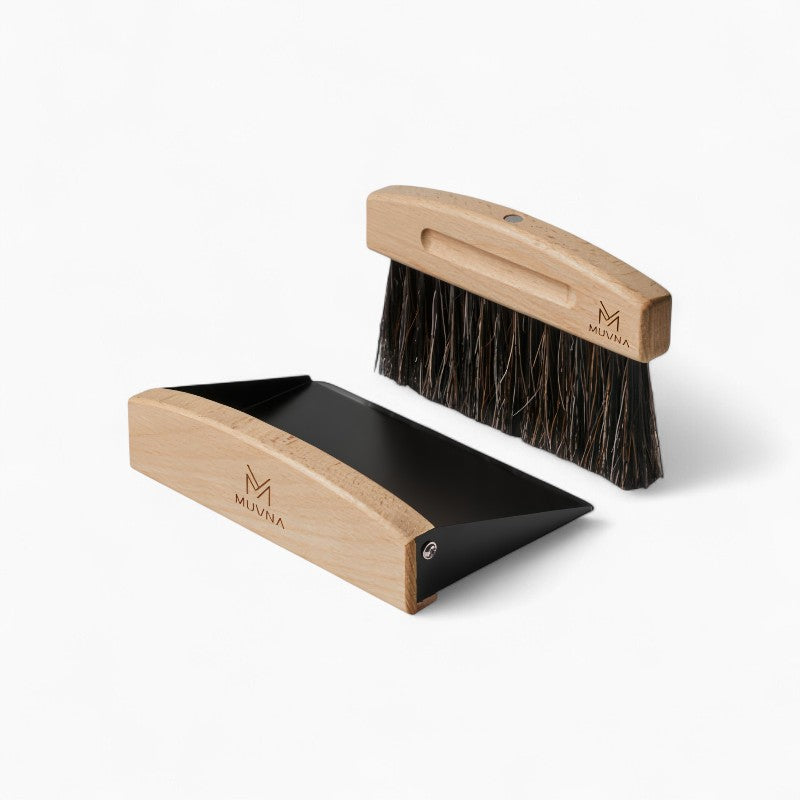
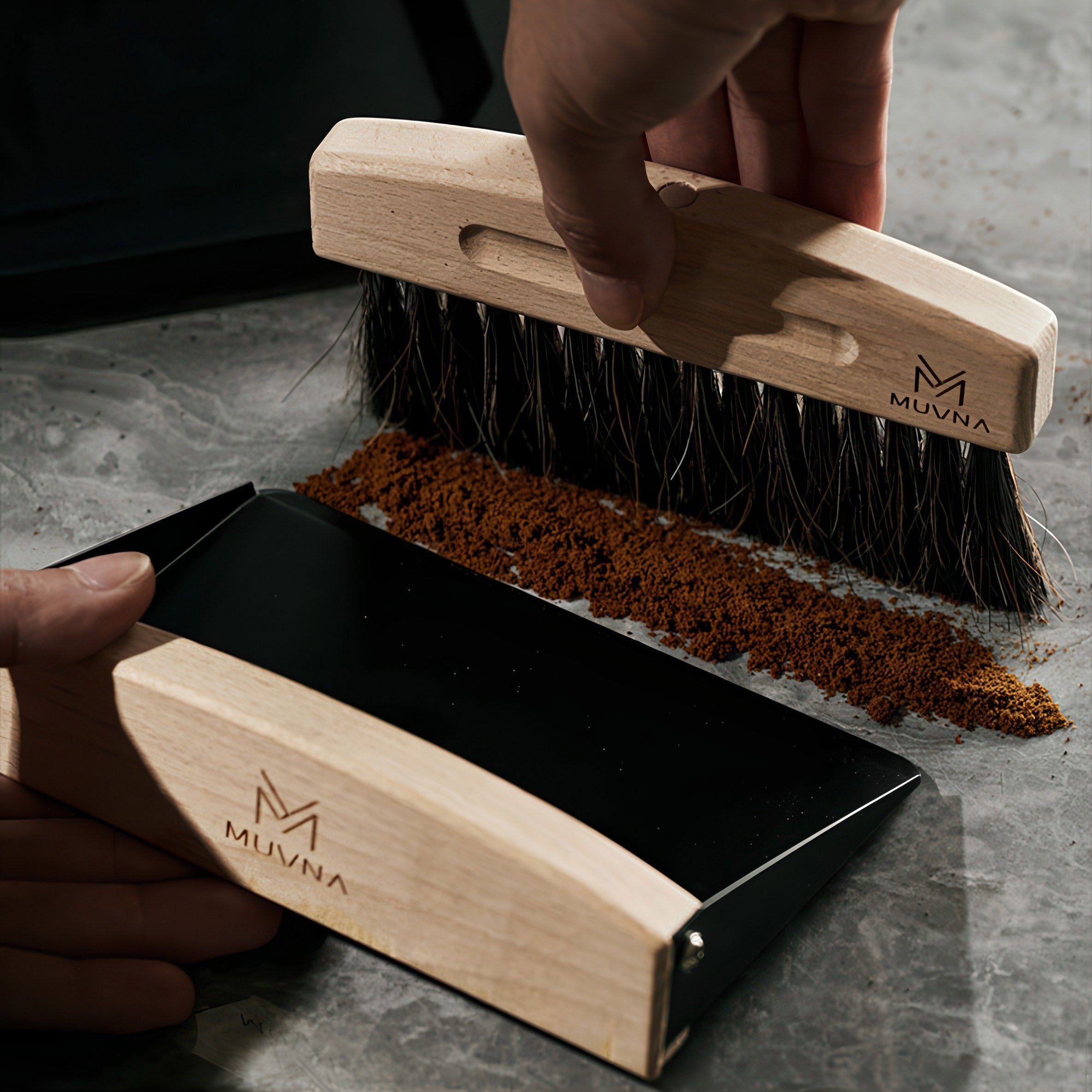
Beech Wood Coffee Cleaning Brush Set with Dustpan
$24.90
$47.00
Maintain a spotless coffee station with this magnetic brush and dustpan set. Crafted from premium FAS-grade beech wood, it keeps your espresso corner clean between shots. Learn more ➔
The Vacuum Sealed Coffee Bean Storage Canister removes both oxygen and CO2 from your bean storage environment—a critical factor most basic canisters ignore. Its sleek matte black finish complements any coffee station aesthetic while the magnetic brush and dustpan set crafted from FAS-grade beech wood keeps your workspace pristine without compromising on style.
Matching Your Coffee Station to Your Home Decor
Coffee station furniture ideas should harmonize with your existing interior design rather than fighting it. Here's how different table styles complement various home aesthetics:
| Home Style | Recommended Table Type | Key Features |
|---|---|---|
| Modern Minimalist | Metal console table | Clean lines, matte finishes, open shelving |
| Farmhouse/Rustic | Reclaimed wood sideboard | Distressed finishes, X-frame details, generous storage |
| Industrial | Pipe-frame console | Metal/wood combinations, casters, exposed hardware |
| Mid-Century | Tapered leg console | Walnut or teak wood, hairpin legs, compact profile |
| Traditional | Buffet-style sideboard | Raised panel doors, decorative hardware, substantial presence |
Don't forget that your coffee corner becomes a daily visual fixture—choose furniture that brings you joy every time you walk past it. According to interior design experts, the most successful home coffee stations feel like intentional design choices rather than utilitarian afterthoughts.

Conclusion: Building Your Dream Coffee Station
Selecting the perfect coffee station table requires balancing practical considerations—height, storage, and space constraints—with personal style preferences. Whether you choose a streamlined console table for a compact apartment, a generous sideboard for serious equipment collections, or a mobile cart for maximum flexibility, the foundation you select shapes every brewing session that follows.
Remember that great coffee stations evolve over time. Start with quality furniture that meets your current needs, then enhance your setup with organizational tools like the Espresso Coffee Organizer Box, freshness solutions such as the Vacuum Sealed Storage Canister, and maintenance essentials including the Beech Wood Cleaning Brush Set.
At Rethink Cafe, we understand that every home barista's journey is unique. We've curated our collection of coffee stations, mats, and accessories to support your evolution from curious beginner to confident espresso craftsman. Browse our full range of coffee station solutions and transform your daily coffee ritual into something truly exceptional.
Frequently Asked Questions about Coffee Station Tables
The ideal height for a coffee station table is 36 inches, which matches standard kitchen counter height. This ergonomic measurement prevents back strain during brewing and ensures comfortable access to your espresso machine, grinder, and accessories. If you plan to use your coffee station alongside existing kitchen counters, matching their height creates visual cohesion and functional consistency.
The best table depends on your space and needs. Console tables work excellently for small spaces and single-machine setups. Sideboards offer superior storage for extensive equipment collections. Coffee carts provide mobility for flexible layouts. Prioritize 36-inch height, water-resistant surfaces, and sufficient depth (at least 15 inches) to accommodate your espresso machine and grinder comfortably.
Coffee station tables go by several names depending on their style and function. Common terms include console tables, sideboards, buffets, bar carts, coffee bars, and beverage stations. Some retailers specifically market "coffee bar tables" or "espresso station furniture" with features tailored to brewing equipment needs like cable management and water-resistant surfaces.
Coffee bar tables should be approximately 36 inches tall to match standard kitchen counter height. This measurement ensures ergonomic comfort whether you're standing to pull espresso shots or sitting on a bar stool. Taller tables (42 inches) suit standing-only configurations, while shorter tables may cause back strain during extended brewing sessions. Always measure your existing kitchen counters if you want your coffee bar to align seamlessly with your current workspace.
The best coffee bar furniture combines appropriate height (36 inches), adequate surface area, and smart storage. Console tables excel in compact spaces. Sideboards handle extensive equipment collections. Look for water-resistant surfaces, cable management features, and storage options that match your organizational needs. The furniture should complement your home's aesthetic while providing a stable, dedicated space for daily brewing rituals.