Crafting the perfect espresso martini starts long before you shake the cocktail. The foundation of this sophisticated drink lies in choosing the best coffee beans for espresso martini cocktails that can stand up to vodka and coffee liqueur while delivering rich, complex flavors. At Rethink Cafe, we understand that home baristas want to elevate their cocktail game, and that begins with understanding what makes certain beans shine in this iconic drink.
Whether you're hosting a dinner party or perfecting your evening ritual, this guide will walk you through everything you need to know about selecting premium beans for your espresso martinis. From roast levels to origin characteristics, we'll help you make informed choices that transform your cocktails from ordinary to extraordinary.

What Makes the Best Coffee Beans for Espresso Martinis
Not all coffee beans are created equal when it comes to cocktail applications. The espresso martini coffee selection process requires understanding how coffee interacts with alcohol, particularly vodka and coffee liqueur like Kahlúa or Tia Maria.
The ideal beans for this cocktail need to contribute bold flavors that won't be drowned out by the other ingredients. They should provide enough acidity to balance the sweetness of the liqueur while offering rich body and crema that creates the signature foam top. Beans with chocolate, caramel, and nutty notes tend to work exceptionally well, complementing rather than competing with the cocktail's other components.
Roast Level: Finding Your Sweet Spot
One of the most common questions home baristas ask is about the optimal roast level for espresso martinis. The answer depends on your flavor preferences, but there are clear guidelines to consider.
Dark roasts are the traditional choice for espresso martinis. They offer bold, smoky flavors with low acidity that blend seamlessly with vodka and coffee liqueur. The oils present in dark roasts contribute to excellent crema formation, creating that coveted foam cap. Italian and French roasts are particularly popular for this application.
Medium roasts offer a middle ground, preserving more of the bean's origin characteristics while still providing enough body for cocktails. These can be excellent choices if you want to highlight specific flavor notes like chocolate or caramel.
Light roasts are generally not recommended for espresso martinis. Their high acidity and bright, fruity notes can clash with the sweetness of coffee liqueur and create an unbalanced drink.
Best Origins and Flavor Profiles for Coffee Cocktails
When selecting beans for coffee cocktails, the origin plays a crucial role in determining the final flavor profile. Different growing regions produce beans with distinct characteristics that can either enhance or detract from your espresso martini.
Latin American beans from Brazil, Colombia, and Guatemala are excellent choices for espresso martinis. Brazilian beans in particular offer the chocolate, nutty, and caramel notes that complement cocktail ingredients beautifully. Colombian beans add a touch of brightness without overwhelming acidity, while Guatemalan beans contribute rich cocoa flavors.
Indonesian beans from Sumatra and Java provide earthy, full-bodied profiles with low acidity. These beans create intense, robust espresso shots that stand up well to alcohol, making them ideal for those who prefer bold, dramatic cocktails.
African beans from Ethiopia and Kenya tend to be more challenging for espresso martinis due to their bright, fruity, and floral characteristics. However, if you enjoy experimenting, a natural-processed Ethiopian bean with berry notes can create an interesting twist on the classic recipe.
The Critical Role of Freshness
Freshness is paramount when brewing espresso for cocktails. Coffee beans begin losing their volatile aromatic compounds immediately after roasting, and these compounds are essential for creating the rich, complex flavor profile that makes an exceptional espresso martini.
Ideally, you should use beans that are 7 to 21 days post-roast. This window allows the beans to degas sufficiently while retaining maximum flavor. Beans used too soon after roasting can produce inconsistent extraction and sour flavors, while stale beans result in flat, lifeless espresso lacking crema.
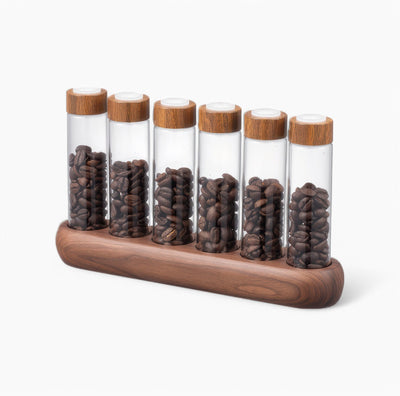
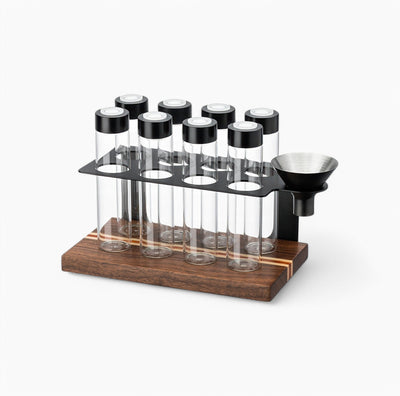
Proper storage is equally important. Exposure to air, light, heat, and moisture will degrade your beans rapidly. Investing in quality storage solutions preserves your investment and ensures every cocktail you craft meets your high standards.


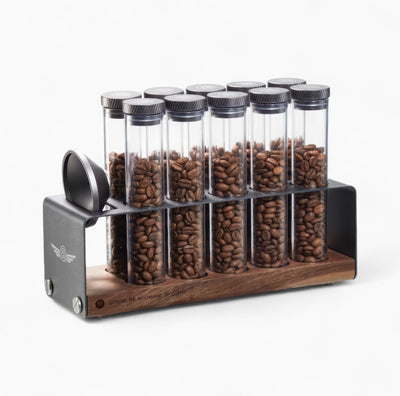
Coffee Bean Storage Tubes with One Way CO2 Valve
$12.90 $22.00
Keep your espresso martini beans at peak freshness with airtight, UV-blocking storage tubes featuring one-way CO2 valves for optimal flavor preservation.
Explore ProductGrind Size: The Make-or-Break Factor
Even the finest beans will disappoint if ground incorrectly. The ideal grind size for espresso martini coffee is fine, similar to table salt or slightly finer. This consistency allows for proper extraction under the high pressure of an espresso machine while preventing over-extraction that leads to bitterness.
Inconsistent grind sizes create channels in the coffee puck, causing uneven extraction. Some grounds over-extract while others under-extract, resulting in a muddled, unbalanced flavor profile. For espresso martinis, this inconsistency is particularly problematic because the cocktail's simplicity leaves nowhere for off-flavors to hide.
Investing in a quality burr grinder is essential for home baristas serious about their cocktail game. Blade grinders chop beans unevenly and generate heat that damages volatile aromatic compounds. A good burr grinder ensures consistent particle size and preserves the delicate flavors that make your espresso martinis exceptional.
Achieving the Perfect Crema
The signature foam topping on an espresso martini isn't just for looks. Quality crema indicates fresh beans and proper extraction, contributing to the cocktail's texture and mouthfeel. The crema layer captures aromatic compounds that enhance the drinking experience before you even take your first sip.
The best crema comes from fresh beans with adequate oil content, typically dark to medium-dark roasts. The oils in these roasts interact with pressurized water to create the microbubbles that form crema. Beans that are too stale or improperly stored will struggle to produce this essential layer regardless of your technique.
Proper grind consistency and tamping pressure also influence crema formation. Uneven extraction from poor grind quality or channeling from improper tamping will result in thin, spotty crema that dissipates quickly. Paying attention to these details ensures your espresso martinis look as impressive as they taste.
Decaf Considerations for Espresso Martinis
Many home baristas wonder if they can use decaf coffee beans for espresso martinis. The answer is absolutely yes. Decaf options allow you to enjoy this sophisticated cocktail any time of day without the caffeine buzz interfering with your sleep schedule.
Modern decaffeination methods preserve much of the flavor compounds that make coffee delicious. Swiss water and mountain water processes, in particular, maintain the bean's origin characteristics while removing caffeine. When selecting decaf beans for espresso martinis, apply the same criteria as regular beans: look for dark roasts with chocolate and nutty notes from quality origins.
The only consideration with decaf is that the decaffeination process can slightly alter the bean's structure, sometimes affecting crema production. Using very fresh beans and ensuring proper grind consistency will help overcome this minor challenge. For most home baristas, the difference is negligible compared to the benefits of enjoying an evening espresso martini without caffeine consequences.

Essential Tools for Espresso Martini Perfection

Mechanic E-Grinder Precision Conical Burr Coffee Grinder
$375.90
$650.00
Achieve the perfect espresso martini grind with this precision 48mm conical burr grinder featuring 100-step adjustment and near-zero retention for maximum flavor. Learn more ➔

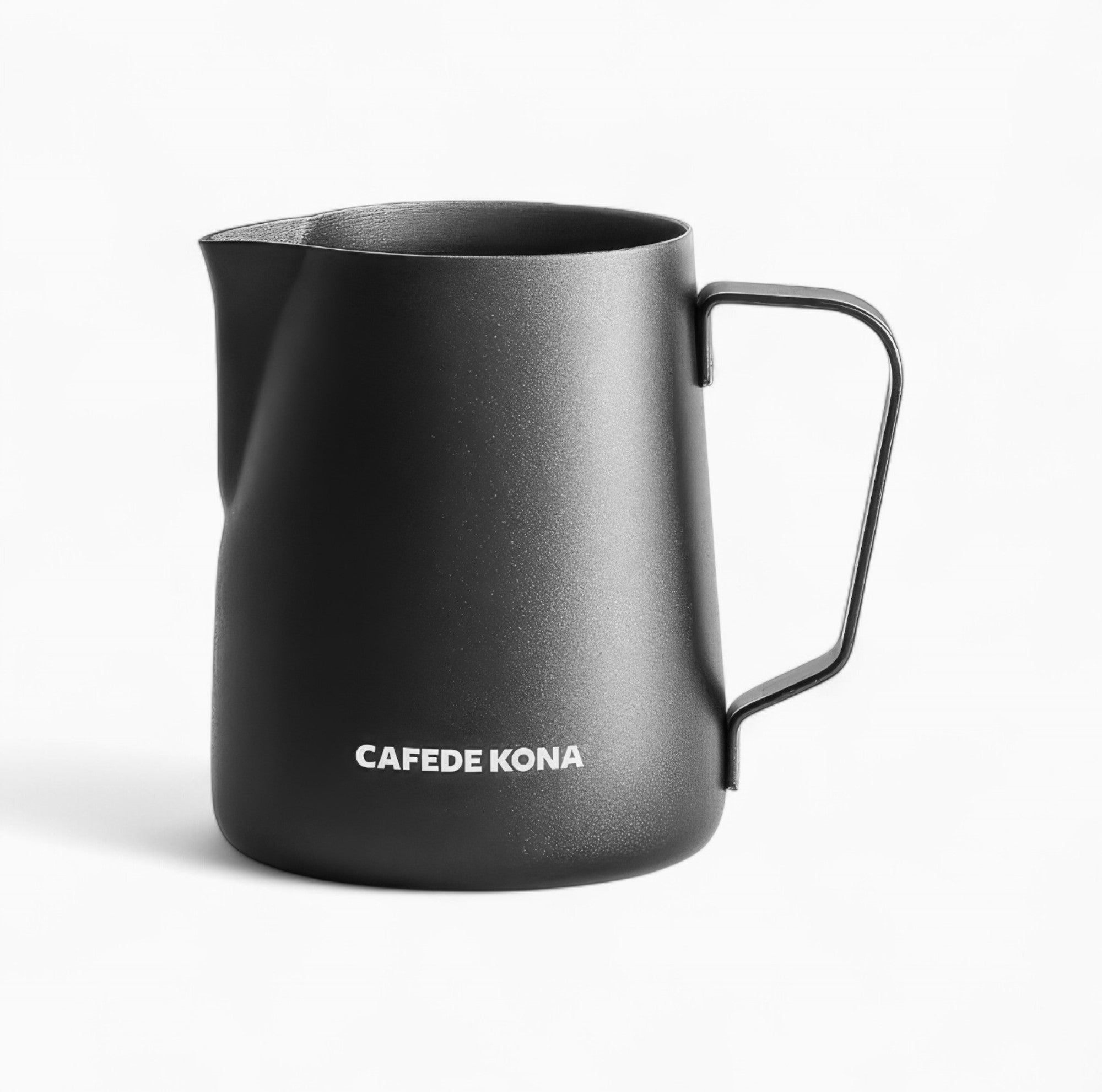
Stainless Steel Latte Art Pitcher for Espresso
$32.90
$55.00
Craft silky microfoam for your espresso martinis with this precision-tapered spout pitcher, available in 300ml and 600ml sizes for perfect cocktail presentation. Learn more ➔
Putting It All Together: Your Espresso Martini Workflow
Creating an exceptional espresso martini requires attention to detail at every step. Start with quality beans that are 7 to 21 days post-roast, ideally a dark roast from Brazil or Colombia with chocolate and nutty notes. Store them properly to maintain freshness until you're ready to brew.
Grind your beans immediately before brewing using a consistent, fine grind setting. Aim for a texture similar to table salt. This grind size allows for proper extraction under pressure while preventing the over-extraction that leads to bitterness. Pull your espresso shot with proper tamping pressure to ensure even extraction and rich crema formation.
Combine your freshly brewed espresso with quality vodka and coffee liqueur in a cocktail shaker filled with ice. Shake vigorously for about 15 seconds to create the signature foam cap. The fresh espresso's natural oils will help stabilize this foam, creating that beautiful presentation that makes the espresso martini so visually appealing. Pour into a chilled glass and enjoy immediately.
Conclusion: Elevate Your Cocktail Game with Rethink Cafe
The journey to an exceptional espresso martini begins with understanding how bean selection, roast level, freshness, and grind quality work together to create cocktail perfection. The best coffee beans for espresso martini preparation are dark-roasted, freshly stored, and ground to precise consistency—characteristics that transform good cocktails into memorable experiences.
At Rethink Cafe, we're committed to empowering home baristas with the knowledge and premium equipment needed to craft professional-quality drinks. From precision grinders that deliver consistent particle size to storage solutions that preserve bean freshness, our curated collection supports every step of your espresso martini journey. We believe that great coffee cocktails should be accessible to everyone willing to learn and invest in quality tools.
Ready to take your home bartending skills to the next level? Explore our collection of espresso equipment and accessories designed specifically for coffee enthusiasts who refuse to compromise on quality. Your perfect espresso martini awaits.
Frequently Asked Questions about Coffee Beans for Espresso Martini
Dark roasts are generally the best choice for espresso martinis. They provide bold, smoky flavors with low acidity that blend seamlessly with vodka and coffee liqueur. The natural oils in dark roasts also contribute to better crema formation, which is essential for the signature foam cap on top of your cocktail. Medium-dark roasts can also work well if you prefer slightly more origin character in your drink.
Beans that create the best crema for espresso martinis are fresh dark roasts with naturally oily surfaces. Brazilian and Colombian beans are excellent choices due to their ability to produce thick, stable crema. The key factors are freshness (beans used within 2-3 weeks of roasting) and proper storage to preserve the natural oils. Robusta blends can also enhance crema production, though they should be balanced with Arabica for flavor complexity.
Coffee beans for espresso martinis should ideally be used between 7 to 21 days after roasting. This timeframe allows the beans to degas sufficiently—releasing carbon dioxide that can interfere with extraction—while retaining maximum flavor and aromatic compounds. Using beans within this window ensures rich crema formation and complex flavor development. Always store your beans in airtight, opaque containers away from heat and moisture to preserve freshness throughout this optimal window.
Yes, you can absolutely use decaf coffee beans for espresso martinis. Modern decaffeination methods, particularly Swiss water and mountain water processes, preserve most of the flavor compounds while removing caffeine. This allows you to enjoy the sophisticated taste of an espresso martini any time of day without affecting your sleep. When selecting decaf beans, apply the same criteria as regular beans: choose dark roasts with chocolate and nutty notes, ensure freshness, and store them properly.
The ideal grind size for espresso martini coffee is fine, similar to table salt or slightly finer. This consistency allows for proper extraction under the 9 bars of pressure typical in espresso machines, producing rich, concentrated shots with thick crema. Grinds that are too coarse will result in under-extracted, sour, and weak espresso that gets lost in the cocktail. Grinds that are too fine can cause over-extraction, choking the machine, and producing bitter, astringent flavors. Consistency is key—invest in a quality burr grinder for best results.