

There's something almost sacred about the morning coffee ritual. The way steam rises from a perfectly brewed cup, the aroma that fills your kitchen, and most importantly, the vessel that brings it all together. For those who truly appreciate this daily ceremony, bone china coffee cups represent the pinnacle of coffee-drinking elegance. Lightweight yet durable, translucent yet strong, these delicate coffee cups transform an ordinary caffeine fix into a moment of genuine luxury.
At Rethink Cafe, we understand that home baristas demand the finest equipment for their craft. Whether you're brewing specialty drip coffee or perfecting your espresso technique, the cup matters as much as the coffee itself. In this guide, we'll explore what makes bone china exceptional, how to care for these fine pieces, and why they deserve a place in your collection alongside other specialized brewing equipment.

What Makes Bone China Coffee Cups Special?
Bone china isn't merely a marketing term—it's a specific type of porcelain that contains bone ash, typically derived from cattle. This distinctive composition gives bone china coffee cups their signature characteristics: exceptional whiteness, high strength, and remarkable translucency. When you hold a fine bone china mug to the light, you'll notice a warm glow permeating the thin walls, a visual cue of the centuries-old craftsmanship involved.
Unlike standard ceramic or stoneware, bone china undergoes multiple firing processes at extremely high temperatures. This creates a vitrified, non-porous surface that doesn't absorb flavors or stains. For coffee enthusiasts, this means your Ethiopian Yirgacheffe tastes precisely as it should, without residual flavors from yesterday's French Roast.

According to ceramic historians, this material developed in 18th century England represented a significant advancement in pottery technology. Today, English bone china mugs remain the gold standard for quality and refinement, continuing traditions established over 250 years ago.
Bone China vs Porcelain: Understanding Material Differences
Many coffee lovers wonder about the distinction between bone china and regular porcelain. While both fall under the ceramic category, bone china contains a minimum of 30% bone ash, while standard porcelain does not. This fundamental difference creates the lightweight quality that makes bone china feel almost ethereal in your hands.
Porcelain tends to be thicker and heavier, offering different thermal properties but lacking the refined elegance of bone china. When you drink from delicate coffee cups made of bone china, the thin rim allows the coffee to flow smoothly onto your palate, enhancing flavor perception. Porcelain rims are typically thicker, which can slightly alter the sensory experience of your morning brew.
Are Bone China Cups Durable for Daily Use?
The description "delicate" often implies fragility, but bone china defies this assumption. Despite appearing lightweight and refined, these cups are actually stronger than standard porcelain and stoneware. The bone ash content creates a durable crystalline structure that resists chipping and cracking better than earthenware in many applications.
Many families use vintage bone china coffee cups daily that were manufactured decades ago, passed down through generations as functional heirlooms. However, durability doesn't mean invincibility. The thin walls that make bone china elegant also require mindful handling—avoid clinking spoons aggressively against the sides or overcrowding them in dishwashers where pieces might knock together.
Pro Tip: To test the quality of bone china, hold the cup against strong light. High-quality pieces will show a warm, creamy translucency rather than a harsh white glare. This "eggshell" appearance indicates proper bone ash content and firing techniques.

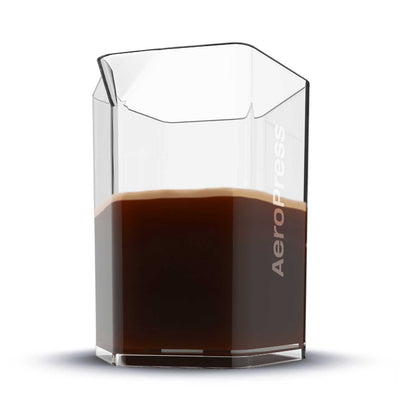


Specialized Equipment for the Home Barista
While classic bone china coffee cups excel at serving traditional drip coffee and tea, the contemporary home barista often requires specialized equipment for different brewing methods. Understanding your specific needs helps curate the perfect cup collection that balances tradition with technical precision.
For instance, espresso extraction presents unique challenges that bone china doesn't always address optimally. Traditional wide-rimmed cups may cool espresso too quickly or fail to preserve the crema that indicates proper extraction. Similarly, when practicing latte art, you need specific vessel shapes that guide milk flow and showcase your rosettas or tulips effectively.
Precision Tasting: When Ceramic Outperforms China
For cupping sessions and espresso tasting where flavor clarity outweighs thermal retention, consider specialized alternatives. The Ceramic Gradient Coffee Cup for Espresso Tasting features geometry specifically engineered to concentrate aromatics and direct coffee to specific palate areas, revealing subtle tasting notes you might miss with standard drinkware.

Ceramic Gradient Coffee Cup for Espresso Tasting
$22.90 $38.00
Elevate your tasting experience with this premium ceramic cup designed for aroma concentration and flavor clarity. Perfect for cupping sessions and espresso appreciation.
Explore ProductExpanding Your Collection: Latte Art and Espresso Service
Presentation matters as much as preparation. Whether you're serving guests or documenting your latte art progress, the right vessel elevates the entire experience beyond basic functionality. While bone china offers elegance, modern ceramic and glass technologies provide specific advantages for espresso service.
When executing precise milk texturing, the Ceramic Espresso Cup and Saucer Set for Latte Art provides the egg-shaped profile necessary for perfect pours. Meanwhile, for pure espresso enjoyment where thermal shock resistance and visual beauty merge, the Double Wall Borosilicate Glass Espresso Cups 3oz Set offers insulation properties that traditional materials cannot match. According to specialty coffee standards, appropriate vessel selection significantly impacts perceived flavor and temperature stability.
Specialized Espresso Equipment

Ceramic Espresso Cup and Saucer Set for Latte Art
$23.90
$48.00
High-fired ceramic cups with egg-shaped profile designed for perfect latte art pours. Includes matching saucer for elegant presentation. Learn more ➔

Insulated double-wall glass cups that keep espresso hot while staying cool to touch. Crystal clear design showcases beautiful crema and layered drinks. Learn more ➔
Caring for Your Delicate Coffee Cups
Maintaining your fine bone china requires attention but rewards you with decades of service. Hand washing remains the preferred method, though modern bone china is often technically dishwasher-safe on gentle cycles. Avoid abrasive scouring pads that might scratch the brilliant glaze or damage the smooth rim.
Temperature shock presents the biggest risk to bone china. Never pour boiling water directly into a cold cup, and avoid transferring cups directly from refrigerator to microwave. Gradual temperature changes prevent thermal shock cracks that could ruin heirloom pieces.

Storage Tip: When stacking bone china cups, place a soft cloth or coffee filter between each piece to prevent surface scratches. Store mugs handles-facing the same direction to minimize pressure points that could cause chipping.
Are Bone China Coffee Cups Microwave Safe?
Most modern bone china is microwave safe, provided it lacks metallic gold or platinum decorative rims. However, microwaving bone china is generally discouraged for reheating coffee. The thin walls that make bone china pleasant to hold also mean it loses heat relatively quickly compared to stoneware.
Reheating often results in uneven temperatures and can compromise the cup's longevity over time. For better results, transfer fresh coffee to bone china cups immediately after brewing, or pre-warm the vessel by rinsing with hot water before pouring your espresso or drip coffee.
Conclusion
Investing in quality drinkware transforms your daily coffee ritual from routine to remarkable. Bone china coffee cups offer an unmatched combination of elegance, lightweight comfort, and surprising durability that justifies their place in any serious coffee enthusiast's cabinet. Whether you prefer large bone china coffee mugs for your morning pour-over or delicate cups for afternoon espresso, understanding these materials enhances your appreciation of the craft.
At Rethink Cafe, we believe that every element of your coffee station should serve both form and function. While classic bone china handles traditional brewing beautifully, our curated selection of specialty coffee cups and espresso equipment ensures you're prepared for every brewing method. From the precision of cupping vessels to the insulation of double-wall glass, we provide the tools that help you rethink what's possible in home coffee preparation.
Frequently Asked Questions about Bone China Coffee Cups
Bone china contains bone ash (minimum 30%), which creates exceptional translucency, whiteness, and strength. This makes bone china coffee cups lighter than porcelain while maintaining superior durability. The thin walls provide a smooth drinking experience and the material doesn't absorb flavors or odors, ensuring pure coffee taste.
Yes, bone china is actually stronger than standard porcelain due to its unique crystalline structure. Quality bone china resists chipping and cracking better than earthenware. However, the thin walls require mindful handling—avoid metal spoon impacts and extreme temperature changes to ensure decades of use.
Hand washing with mild soap is ideal. If using a dishwasher, select gentle cycles and ensure pieces don't touch each other. Avoid abrasive scrubbers. Store with soft cloths between stacked cups. Never expose to sudden temperature extremes—pre-warm cups with warm water before adding hot coffee.
Bone china contains bone ash (minimum 30%), making it whiter, more translucent, and lighter than porcelain. Porcelain is denser and heavier with thicker walls. Bone china has a warmer, creamier appearance compared to porcelain's bright white, and typically features a thinner, more refined rim for a better drinking experience.
Most modern bone china without metallic decoration is microwave safe. However, microwaving is discouraged for coffee reheating as bone china loses heat quickly and uneven warming can stress the material. Decorative pieces with gold or platinum accents should never be microwaved.


