Your kitchen deserves an espresso machine that performs as beautifully as it looks. A white espresso machine isn't just an appliance—it's a design statement that transforms your countertop into a curated coffee sanctuary. Whether you're drawn to the clean minimalism of Scandinavian design or the retro charm of cream-colored finishes, the perfect white espresso machine combines stunning aesthetics with professional-grade brewing capabilities.
In this guide, we've curated the best options across every category and price point. From beginner-friendly automatic models to hands-on manual machines that put you in complete control, you'll discover which white espresso machines deliver on both style and substance. And because the perfect setup requires more than just the machine itself, we'll also show you the essential accessories that complete your bright, cohesive coffee station.

Why Choose a White Espresso Machine?
The surge in popularity of white and cream espresso machines isn't just about following trends—it's about creating a kitchen that feels intentional, spacious, and inviting. Unlike traditional stainless steel or black machines that can dominate a space, white finishes reflect light and blend seamlessly with modern cabinetry, marble countertops, and neutral color palettes.
White espresso machines also offer remarkable versatility. A matte white espresso machine brings understated elegance to minimalist spaces, while glossy cream finishes add warmth to farmhouse or vintage-inspired kitchens. Whether you prefer an automatic white espresso machine for effortless morning routines or a white semi-automatic espresso machine that lets you craft each shot with precision, the aesthetic appeal remains consistent: clean, bright, and effortlessly sophisticated.
Perhaps most importantly, investing in a stylish white espresso machine signals that you take your coffee seriously—but not yourself. It shows you understand that exceptional brewing and beautiful design aren't mutually exclusive.
Types of White Espresso Machines
Before diving into specific models, it's essential to understand the different categories of white espresso machines available. Your brewing preferences, technical comfort level, and morning routine will determine which type suits your lifestyle best.
Automatic White Espresso Machines
Automatic machines handle the entire brewing process at the touch of a button, from grinding fresh beans to delivering a perfectly extracted shot with pre-programmed settings. These are ideal for busy professionals who demand consistency without the learning curve. Many automatic white espresso machines also include integrated milk frothing systems for one-touch lattes and cappuccinos.
Semi-Automatic White Espresso Machines
Semi-automatic models give you control over shot timing while the machine maintains consistent pressure and temperature. This category represents the sweet spot for home baristas who want hands-on involvement without full manual operation. Brands like Breville dominate this space with reliable, feature-rich options in stunning white and cream finishes.
Manual and Lever White Espresso Machines
For the purist who views espresso as craft rather than convenience, manual white espresso machines like the AnZa offer unparalleled control over every variable. These conversation-piece machines demand technique but reward you with shots that reflect your personal touch. Their sculptural designs double as functional art in contemporary kitchens.
Top Brands and Models to Consider
When searching for the best white espresso machine, certain brands consistently deliver the combination of aesthetics and performance that discerning home baristas demand. Here's what to look for from the leading manufacturers:
Breville has established itself as the go-to for accessible, high-performing semi-automatic machines. Their cream and white espresso machine options, including the popular Barista Express and Bambino lines, feature intelligent heating systems, precise pressure control, and built-in grinders on select models. Breville machines consistently rank among the top recommendations for beginners transitioning into serious home espresso.
Smeg brings authentic Italian retro styling to the white espresso maker category. Their 50s-inspired designs in pastel cream and bright white finishes appeal to those who view their kitchen appliances as design objects. While performance-focused baristas may find Smeg's feature set more basic, the aesthetic impact is undeniable.
AnZa represents the avant-garde of manual espresso with their sculptural concrete and white espresso machines. These aren't for everyone—the learning curve is steep—but for design-conscious coffee enthusiasts, AnZa creates functional art that produces exceptional espresso in the right hands.
What to Expect at Different Price Points
Understanding the investment required for a quality white espresso machine helps set realistic expectations. The market spans from accessible entry points to luxury investments, with distinct feature sets at each tier.
Entry-Level ($300-$600): Expect compact semi-automatic machines with essential features, smaller boilers, and plastic or composite exteriors. Perfect for beginners testing the espresso waters.
Mid-Range ($600-$1,500): This sweet spot offers stainless steel construction, PID temperature control, larger boilers, and often integrated grinders. Most home baristas find their ideal white espresso machine for home use in this category, balancing performance with reasonable investment.
Premium ($1,500-$4,000+): Dual boilers, commercial-grade components, sophisticated shot profiling, and heirloom-quality construction define this tier. These machines represent long-term investments for serious enthusiasts.
Features That Matter in a White Espresso Machine
Regardless of your budget, certain features significantly impact your daily brewing experience. When evaluating a white espresso setup, prioritize these elements:
- Integrated Grinder: Machines with built-in grinders save counter space and ensure optimal freshness. Look for conical burr grinders with adjustable settings.
- PID Temperature Control: Maintains precise brewing temperature for consistent extraction and flavor clarity.
- Steam Wand Quality: Essential for creating microfoam capable of latte art. Look for commercial-style wands with full range of motion.
- Build Quality: Premium metal construction not only looks better but ensures longevity and heat stability.
- Water Reservoir Access: Ensure easy refilling without moving the machine—which can be especially important in tight kitchen configurations.

If your chosen machine doesn't include an integrated grinder, investing in a quality stand-alone burr grinder is non-negotiable for achieving café-quality results. Similarly, mastering milk texturing requires the right tools—starting with a precision milk pitcher designed for clean, controlled pours.

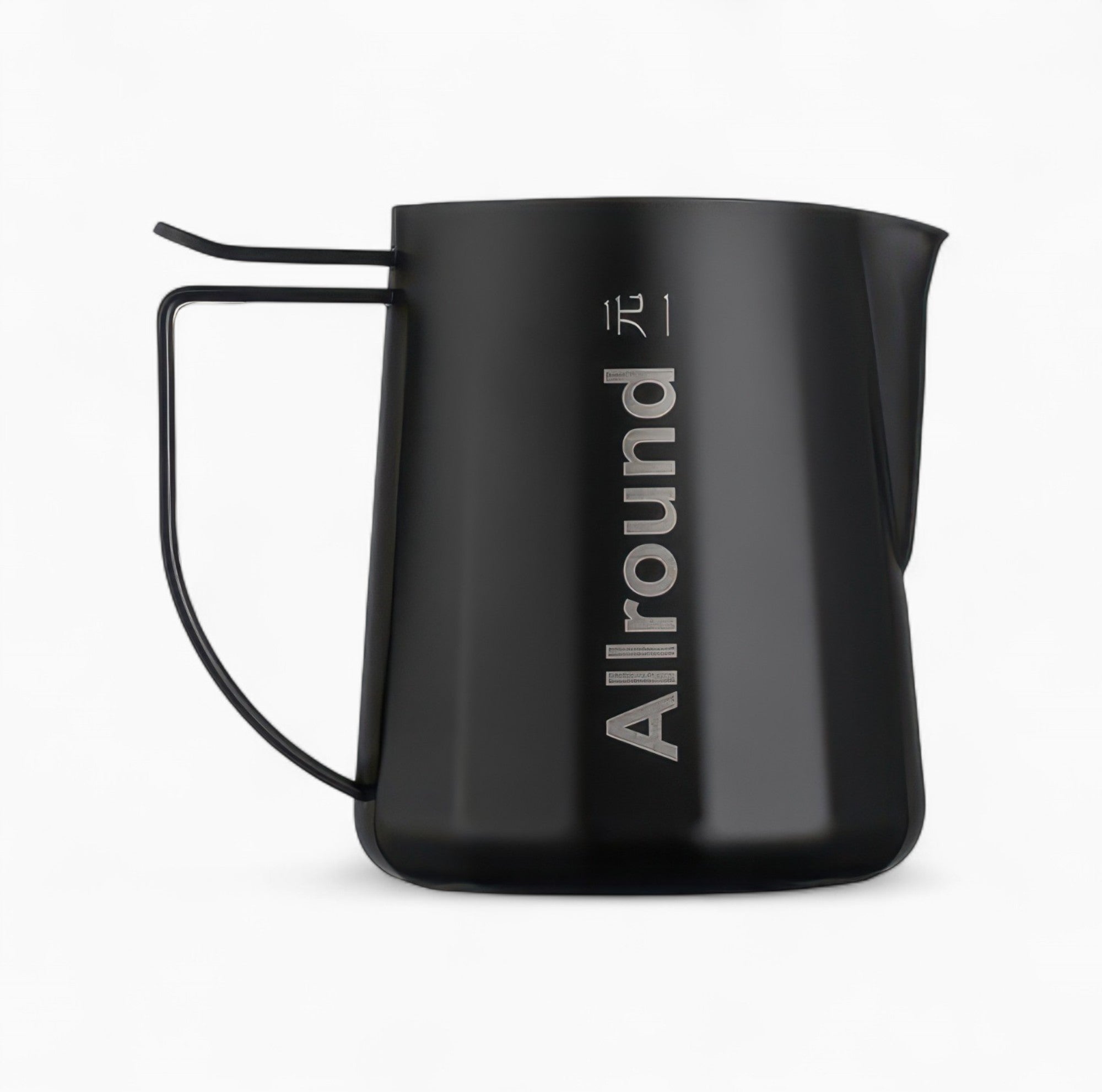
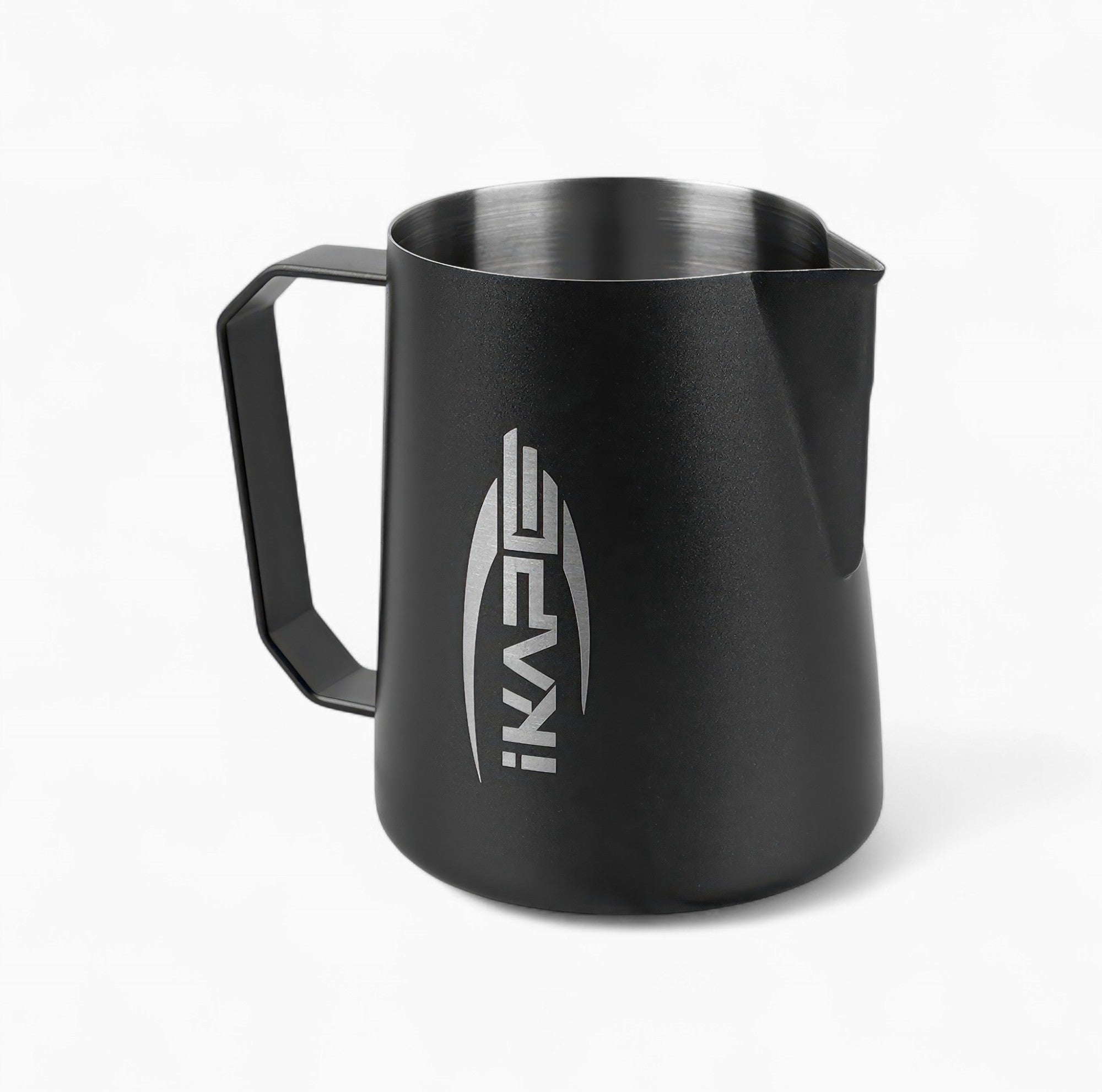
Competition Grade Milk Frothing Pitcher Stainless Steel
$57.90 $112.00
Perfect your latte art with this precision milk frothing pitcher. Available in White to match your espresso machine and available in two sizes.
Explore ProductThe Competition Grade Milk Frothing Pitcher from Rethink Cafe complements white espresso machines perfectly with its clean stainless steel finish available in white. The precision spout enables the controlled microfoam pouring essential for latte art, while the ergonomic handle provides comfort during extended steaming sessions. For home baristas serious about their milk-based drinks, this pitcher transforms good espresso into café-quality beverages.
Maintaining Your White Espresso Machine
A common misconception suggests that white espresso machines show dirt and wear more readily than darker alternatives. In reality, modern finishes—including matte white and cream options—are engineered for durability and easy cleaning. Many owners actually find that white surfaces make dust and coffee residue more visible, encouraging more consistent maintenance habits that ultimately extend machine lifespan.
Regular cleaning routines should include wiping the exterior with a microfiber cloth, backflushing the group head if you own a semi-automatic or manual machine, and descaling according to manufacturer recommendations. The minimal extra attention required to keep a white machine pristine pays dividends in maintaining that bright, clean aesthetic that drew you to it initially.
Complete Your White Espresso Setup

USB Rechargeable Handheld Milk Frother Stainless Steel
$19.99
$29.99
Create café-quality microfoam in under 30 seconds with this portable USB rechargeable frother - an essential companion for your white espresso machine setup. Learn more ➔

Precision Milk Frothing Pitcher for Latte Art
$44.90
$75.00
Designed for clean, defined latte art patterns. Features a precision spout and comes in elegant Beige to complement white espresso machine aesthetics. Learn more ➔
For those who prefer convenience without compromising on quality, the USB Rechargeable Handheld Milk Frother delivers café-style microfoam in under 30 seconds—perfect for machines without steam wands or for creating foam while your espresso extracts. The Precision Milk Frothing Pitcher in Beige offers another elegant option that harmonizes beautifully with cream and white espresso machine aesthetics, featuring a precision spout engineered for defined latte art patterns.
Finding Your Perfect Match
Selecting the right stylish espresso machine white option ultimately depends on balancing your aesthetic vision with practical brewing requirements. Consider your countertop real estate, morning routine complexity, and willingness to engage with the brewing process. The modern white coffee machine that suits a busy parent seeking one-touch convenience differs significantly from the sculptural manual machine that appeals to weekend coffee ritualists.

Start by identifying your non-negotiable features—integrated grinder, dual boiler, specific dimensions—then narrow your search to models available in white or cream finishes that meet those criteria. Remember that the best espresso machine is the one you'll actually use consistently, so prioritize usability alongside appearance.
External resources like Home-Barista.com offer extensive community discussions on specific models, while the Specialty Coffee Association provides educational resources on brewing standards and machine certification.
Conclusion: Elevate Your Morning Ritual
The best white espresso machine for your kitchen transcends mere functionality—it becomes the centerpiece of your morning ritual and a reflection of your personal aesthetic. Whether you choose an automatic powerhouse that delivers consistent shots with minimal intervention or a manual masterpiece that transforms coffee preparation into mindful practice, the right machine brings joy to every cup.
At Rethink Cafe, we understand that exceptional coffee experiences extend beyond the machine itself. From precision milk pitchers that enable latte art worthy of Instagram to essential accessories that complete your white espresso setup, we curate products that match the quality and style standards of discerning home baristas. Your perfect brew awaits—bright, clean, and effortlessly stylish.
Frequently Asked Questions About White Espresso Machines
The best white espresso machine for beginners balances ease of use with room to grow. The Breville Bambino in white offers an excellent entry point with automatic milk texturing and beginner-friendly controls, while the Barista Express adds an integrated grinder for an all-in-one solution. These machines provide consistent results without overwhelming new users, while still offering enough manual control to develop barista skills over time.
White espresso machines are not inherently harder to clean than black or stainless steel models. While light-colored surfaces may make dust and coffee residue more visible, modern finishes are specifically engineered for durability and easy maintenance. Many owners find that the higher visibility actually encourages more consistent cleaning habits, which ultimately extends machine lifespan and maintains optimal brewing performance.
Several major brands offer white or cream espresso machine options. Breville leads the semi-automatic category with multiple white and cream models including the Bambino and Barista series. Smeg specializes in retro-inspired cream and pastel options. AnZa produces avant-garde manual machines in white concrete. Other brands like Gaggia, De'Longhi, and Sage also offer white automatic and semi-automatic machines in various price ranges.
Essential features include PID temperature control for consistent extraction, quality steam wand capability for milk beverages, and durable construction materials. Consider whether you need an integrated grinder, dual boilers for simultaneous brewing and steaming, and programmable shot volumes. For automatic machines, look for customizable strength settings and milk texture controls. Build quality matters significantly—opt for metal construction over plastic when possible.
Quality white espresso machines typically range from $300 to $4,000+. Entry-level semi-automatic machines start around $300-$600, while mid-range options with integrated grinders and advanced features fall between $600-$1,500. Premium dual-boiler machines and high-end automatic models range from $1,500-$4,000 or more. The right investment depends on your brewing goals, frequency of use, and desired features, but most home baristas find excellent options in the $600-$1,500 range.
Yes, several white espresso machines include integrated grinders, combining two essential pieces of equipment into one space-saving unit. The Breville Barista Express and Barista Pro come in white and cream options with high-quality conical burr grinders built in. These all-in-one solutions ensure optimal grind freshness without requiring separate counter space for a standalone grinder, making them popular choices for home baristas with limited kitchen space.
Generally, white espresso machines are priced identically to their black or stainless steel counterparts within the same model line. The color finish rarely impacts pricing significantly, though limited-edition colors or specialty finishes may carry modest premiums. When you see price variations, they typically reflect different feature sets or included accessories rather than the color option itself. Always compare specific models rather than assuming color-based pricing differences.