There's something undeniably captivating about an espresso machine vintage aesthetic. The gleaming chrome curves, brass accents, and handcrafted details transport you to a Milanese café circa 1950, where espresso was an art form rather than a morning rush. Today's home baristas are rediscovering what coffee enthusiasts have always known: timeless design and exceptional brewing capability can coexist beautifully in your kitchen.
Whether you're drawn to the romance of Italian craftsmanship or you appreciate the tactile satisfaction of lever-operated brewing, vintage and retro espresso machines offer more than just visual appeal. They represent a commitment to the ritual of coffee preparation. This guide explores the finest vintage-inspired espresso makers that honor traditional aesthetics while delivering the professional espresso machine vintage enthusiasts expect from modern engineering.
The Enduring Appeal of Classic Espresso Machine Design
Italian espresso culture has always celebrated machines as functional sculptures. The earliest retro espresso machine designs emerged from workshops in Milan and Rome, where artisans combined brass, copper, and gleaming stainless steel into machines that commanded attention. These weren't hidden away in back rooms—they were proudly displayed as centerpieces of the café experience.

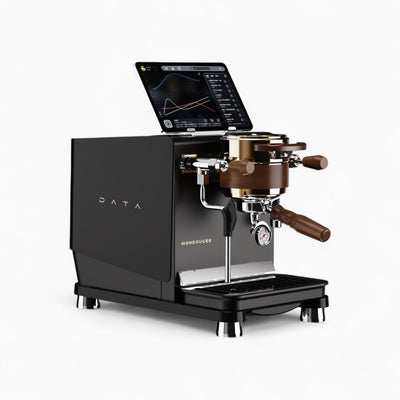
Modern manufacturers understand this heritage. The resurgence of vintage Italian espresso maker styles speaks to a generation of home baristas who refuse to compromise on either form or function. Many contemporary machines now feature manual levers, pressure gauges, and exposed group heads that pay homage to the golden age of espresso while incorporating precise PID temperature control and commercial-grade components.
Iconic Brands That Define Retro Espresso Excellence
When curating the best stainless steel espresso machine options with vintage character, several legendary manufacturers stand apart:
- La Pavoni: The quintessential vintage lever espresso machine brand, producing iconic chrome-plated models since 1905. Their Europiccola remains a benchmark for manual espresso enthusiasts.
- Gaggia: Pioneers of the modern pressure-driven espresso, their classic espresso machine designs feature the distinctive art deco aesthetic that defines mid-century Italian coffee culture.
- Elektra: Known for stunning copper and brass finishes, these machines represent the pinnacle of retro style espresso machine luxury for serious collectors.
- Smeg: Combining 1950s-inspired aesthetics with contemporary convenience, their colorful retro line makes classic design accessible to everyday home baristas.
Key Features to Evaluate When Selecting Your Vintage Espresso Setup
Not all antique espresso machine options—or their modern retro-inspired counterparts—are created equal. When evaluating machines for your home, consider these essential factors:
Pressure and Temperature Stability
Vintage aesthetics should never compromise brewing performance. Look for machines featuring commercial-grade pressure seals and accurate temperature control. Many modern retro machines incorporate PID controllers hidden behind classic facades, ensuring your 9-bar extraction meets specialty coffee standards.
Build Materials and Authenticity
Genuine stainless steel, brass, and copper components age beautifully and develop character over time. Avoid machines with chrome-plated plastic that won't stand up to years of daily use. The weight of authentic metal components contributes to both stability and that satisfying tactile experience vintage enthusiasts crave.
Maintenance and Parts Availability
Even the most beautiful vintage espresso maker becomes frustrating if you cannot source replacement gaskets or heating elements. Established Italian manufacturers typically offer excellent parts support, while boutique brands may leave you scrambling for repairs.

Hand-Polished Stainless Steel Latte Art Pitcher
$28.90 $58.00
Add timeless elegance to your vintage espresso setup with this hand-polished pitcher featuring a retro water-washed finish that complements classic Italian machine aesthetics.
Explore ProductFor home baristas who have invested in a beautiful retro machine, the Hand-Polished Stainless Steel Latte Art Pitcher elevates the entire experience. This pitcher features a distinctive water-washed finish that mirrors the patina of well-loved chrome espresso machines, creating visual harmony on your countertop. The refined spout geometry supports precise microfoam pouring, ensuring your cappuccinos taste as exceptional as your equipment looks.
Integrating Modern Accessories with Classic Machines
Owning a professional espresso machine vintage style is only the beginning. The accessories surrounding your machine—tampers, distributors, storage solutions—should complement your aesthetic vision while enhancing brewing precision.

Traditional Italian espresso culture emphasized craftsmanship at every touchpoint. Modern home baristas can honor this tradition by selecting tools that combine natural materials like wood and brass with precise engineering. The result is a station that feels cohesive, intentional, and inspiring every morning.
Essential Accessories for Your Vintage Espresso Station

Barista Master Bundle Kit with Tamper and Distributor
$324.90
$382.00
Complete your vintage espresso station with this premium walnut bundle - engineered for professional-level shots that honor traditional brewing craft with modern precision tools. Learn more ➔

Hardwood Coffee Filter Basket Storage Display
$48.90
$108.00
Organize your espresso accessories in style with this solid hardwood display featuring natural grain patterns that perfectly complement vintage coffee station aesthetics. Learn more ➔
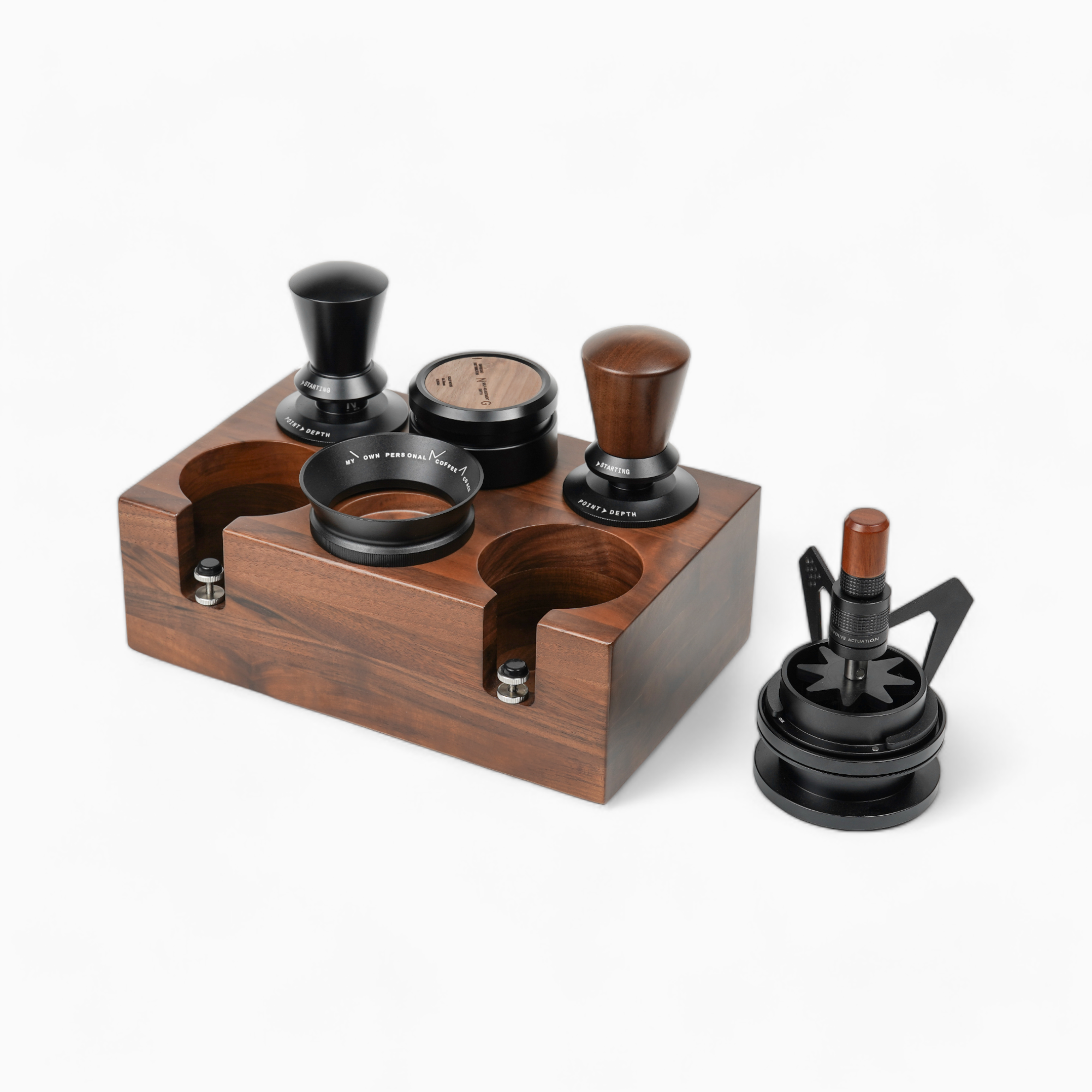
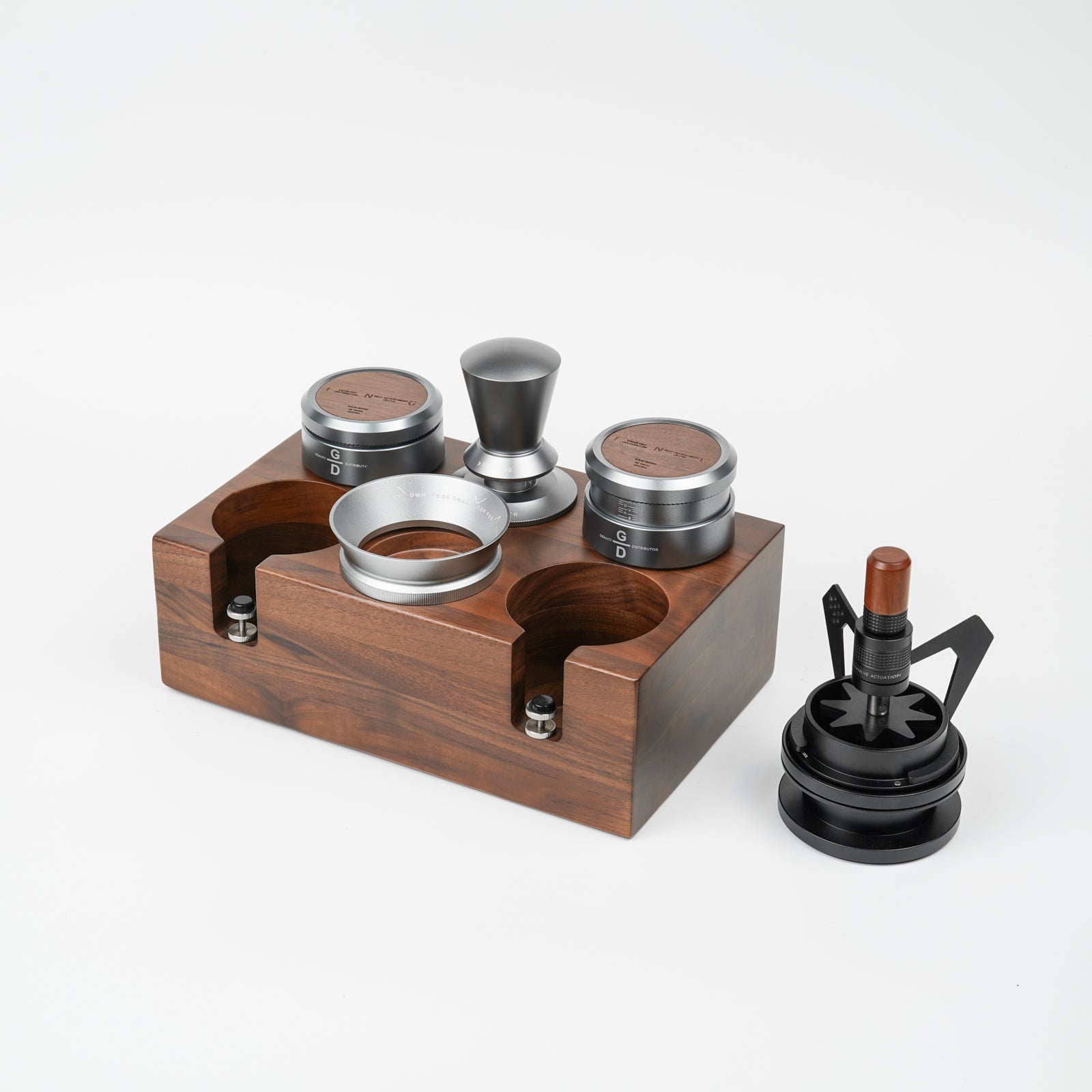
The Barista Master Bundle Kit with Tamper and Distributor pairs beautifully with lever machines and vintage-inspired setups. Crafted from premium walnut, these tools bring warmth and natural texture that complements chrome and brass finishes. The calibrated distributor ensures even grounds distribution—a modern precision that helps you achieve the consistent extraction that vintage machines are capable of delivering when properly managed.
Organization matters for maintaining the aesthetic integrity of your coffee station. The Hardwood Coffee Filter Basket Storage Display transforms functional storage into display-worthy design. Each piece showcases unique wood grain patterns that age gracefully alongside your vintage equipment, proving that practical barista tools can be beautiful sculptural elements.
Understanding the History Behind Your Machine
Appreciating a retro espresso machine extends beyond aesthetics to understanding the evolution of espresso technology. This knowledge deepens your connection to the brewing process and helps you evaluate authenticity when shopping.

The journey from steam-powered prototypes to the lever machines of the 1950s represents one of coffee's most fascinating technological evolutions. The Smithsonian Magazine traces how Italian inventors refined pressure systems to extract the concentrated, crema-topped shots we recognize today. This heritage lives on in modern machines that replicate the tactile feedback and visual drama of their historical predecessors.
For a comprehensive exploration of espresso's technical evolution, the National Coffee Association offers detailed historical context that helps collectors understand the significance behind different machine designs and brewing mechanisms.
Making Your Selection: Practical Considerations
When choosing between authentic vintage machines and modern retro-inspired models, weigh your priorities carefully. Genuine antique machines offer unmatched character and potential investment value, but may require restoration expertise and ongoing maintenance. Modern machines with vintage styling deliver consistent performance, warranty protection, and energy efficiency while capturing the visual romance of classic design.
Consider your kitchen's existing aesthetic as well. A gleaming chrome classic espresso machine pairs beautifully with marble countertops and brass fixtures. Copper and brass finishes complement warm wood tones and traditional décor. Colorful retro models from manufacturers like Smeg create playful focal points in contemporary or eclectic spaces.
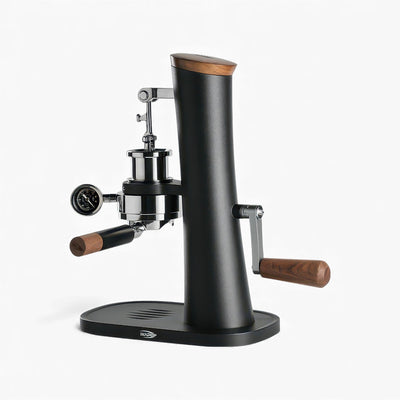
Consider Your Workflow: Lever machines deliver unparalleled tactile satisfaction but require practice to master. Semi-automatic retro machines offer convenience while maintaining aesthetic integrity. Match your choice to your commitment level and daily routine.
Conclusion: Embracing Timeless Espresso Culture
The best vintage and retro espresso machines do more than brew coffee—they transform your daily ritual into an experience that engages all your senses. The mechanical hiss of steam, the satisfying resistance of a lever, the gleaming reflection of morning light on polished chrome: these elements create a connection to coffee's rich heritage that automatic machines simply cannot replicate.
At Rethink Cafe, we believe your equipment should inspire you every day. Whether you're restoring a classic vintage lever espresso machine or investing in a modern machine with timeless styling, the right accessories complete the vision. From hand-polished pitchers that catch the light to walnut tools that feel perfect in your palm, every element of your station contributes to the artistry of your morning espresso ritual.
Explore our curated collection of espresso accessories designed to honor traditional aesthetics while delivering the precision modern baristas demand. Your perfect vintage-inspired coffee station awaits.
Frequently Asked Questions about Espresso Machine Vintage
The oldest known espresso machine dates to 1884, invented by Angelo Moriondo of Turin, Italy. His machine used steam and boiling water to force coffee through ground beans at high pressure. Unlike modern espresso machines, Moriondo's design was a bulk brewer rather than a single-serve device. The first single-serve espresso machine came later from Luigi Bezzera in 1901, who patented a design using steam pressure forced through coffee grounds in individual cups.
The value of a vintage espresso machine depends on several factors: brand reputation, condition, rarity, and historical significance. Machines from iconic manufacturers like La Pavoni and Elektra in good working condition typically command $500 to $2,000+. Fully restored vintage lever machines can exceed $3,000. Non-working machines or those missing original parts may still hold value for collectors or restoration projects. To assess your specific machine's value, research recent sales of comparable models on collector forums and auction sites, or consult a specialty espresso equipment dealer.
The 2:1 rule, also known as the brew ratio, refers to extracting twice the weight of espresso liquid as the weight of dry coffee grounds used. For example, using 18 grams of ground coffee should yield approximately 36 grams of liquid espresso. This ratio serves as a starting point for dialing in espresso. Some baristas prefer shorter ratios (ristretto at 1:1.5) for more concentrated shots, or longer ratios (lungo at 1:3) for a milder extraction. The ideal ratio depends on your beans, roast level, and personal taste preferences.
The original espresso machine was patented by Angelo Moriondo in 1884 in Turin, Italy. Moriondo's machine was revolutionary because it used steam pressure to speed up coffee brewing—a significant innovation in an era when coffee typically took 4-5 minutes to prepare. His design featured a large boiler that heated water to produce steam, which was then forced through ground coffee. Unlike later machines, Moriondo's invention was designed for bulk brewing in commercial settings. The patent described it as a "new steam machinery for the economic and instantaneous confection of coffee beverage."
The history of vintage espresso machines spans from Angelo Moriondo's 1884 patent through several key innovations. In 1901, Luigi Bezzera patented the first single-serve espresso machine. Desiderio Pavoni purchased Bezzera's patent in 1903 and began producing machines under the Pavoni name, establishing the iconic brand still celebrated today. The 1940s saw Achille Gaggia invent the lever-operated machine using spring-piston pressure rather than steam alone, creating the crema we associate with modern espresso. The 1950s and 1960s brought the golden age of design, with manufacturers like Elektra and Faema creating sculptural machines that combined brass, chrome, and artistic styling. This era produced the vintage aesthetic that inspires modern retro machines today.