Finding the best semi-automatic espresso machine for your home can feel overwhelming with so many options flooding the market. You're searching for that perfect balance between hands-on control and automated consistency, wanting to pull café-quality shots without the steep learning curve of fully manual equipment. Semi-automatic machines give you exactly that sweet spot, allowing you to control extraction timing while the machine handles temperature and pressure.
In this guide, we'll explore what makes these machines ideal for home baristas, from understanding the technology behind them to selecting features that match your skill level and kitchen space. Whether you're upgrading from a basic coffee maker or diving into espresso for the first time, the right equipment transforms your morning routine into a ritual you'll actually look forward to.
What Is a Semi-Automatic Espresso Machine?
A semi-automatic espresso machine represents the middle ground between manual lever machines and fully automatic super-automatics. With this type of equipment, you control the start and stop of the extraction using a button or lever, while the machine maintains consistent water temperature and pressure automatically.
This design gives home baristas manual control over timing and shot volume without requiring the technical precision needed for manual machines. You'll grind your beans fresh, tamp the grounds into the portafilter, attach it to the group head, and start the extraction when ready. When you achieve your desired yield, you simply stop the flow.
Why Choose Semi-Automatic Over Fully Automatic?
The debate between semi-automatic espresso machine vs automatic often comes down to the experience you want. Fully automatic machines handle everything from grinding to extraction with single-button operation, which sacrifices control for convenience.
Semi-automatic models let you develop actual barista skills while maintaining consistency. You learn to dial in grind size, perfect your tamping technique, and recognize the visual cues of proper extraction through the crema. This learning curve, while steeper initially, ultimately produces superior espresso and gives you the flexibility to experiment with different beans and roast profiles.
Additionally, semi-automatic machines typically feature commercial-style portafilters and group heads that extract more flavor oils than the pressurized systems found in many fully automatic units. The result is richer, more complex espresso that rivals your favorite café.

Essential Features for Home Baristas
When evaluating a home espresso machine, several technical specifications determine performance and longevity:
- Temperature Stability: Look for machines with PID controllers or thermoblock heating systems that maintain consistent brew temperatures (195-205°F) throughout extraction.
- Pressure Profiling: Quality machines deliver 9 bars of pressure consistently. Some advanced models offer pre-infusion settings that wet the puck gently before full pressure application.
- Steam Wand Quality: For milk drinks, a commercial-style steam wand with adequate power creates microfoam with the proper texture for latte art.
- Build Materials: Brass, copper, and stainless steel components outperform plastic in heat retention and durability.
- Boiler Configuration: Single boilers require switching between brewing and steaming, while heat exchangers or dual boilers allow simultaneous operation.
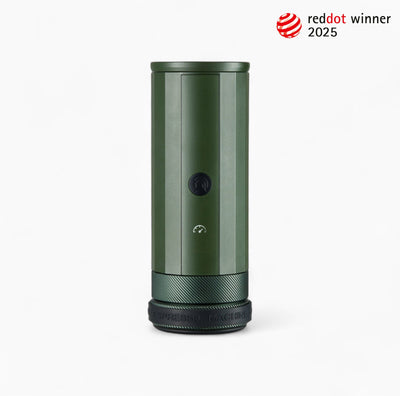
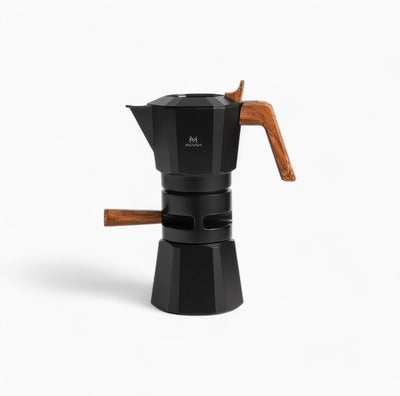
Best Semi-Automatic Espresso Machines for Beginners
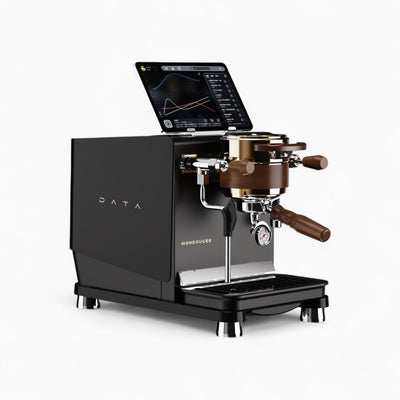
If you're new to espresso, the best semi-automatic espresso machines for beginners balance ease of use with room for skill development. Entry-level models often include features like pressure gauges, temperature indicators, and forgiving portafilter designs that help you learn proper technique without constant frustration.
Popular beginner-friendly characteristics include smaller footprints for apartment kitchens, faster heat-up times for busy mornings, and compatibility with both ground coffee and ESE pods for flexibility. Many home baristas find that starting with a machine featuring a built-in grinder simplifies the initial learning process, though dedicated grinders ultimately provide better consistency.
Entry-level machines typically range from $300-$600, offering quality construction and standard 58mm portafilters that accept aftermarket accessories. Mid-range options ($600-$1,200) introduce better temperature stability and more powerful steam wands, while prosumer models ($1,200+) feature commercial-grade components designed to last decades.
Longevity and Durability: A Worthwhile Investment
One of the most common questions from prospective buyers concerns how long semi-automatic espresso machines last. Quality units from reputable manufacturers typically serve home baristas for 7 to 15 years, with commercial-grade components often lasting even longer with proper maintenance.
Unlike single-serve pod machines or drip coffee makers designed for obsolescence, semi-automatic espresso machines feature serviceable components. Descaling every 2-3 months, backflushing weekly, and replacing gaskets every few years keeps these machines performing like new. Many manufacturers offer extensive warranty coverage (often 1-2 years) plus readily available replacement parts.
This longevity makes semi-automatic machines economically sound despite higher upfront costs. Calculate the daily cost over a decade of ownership, and you'll find they often pay for themselves compared to daily café visits. The environmental benefit of eliminating disposable cups and pods adds another dimension to their value.

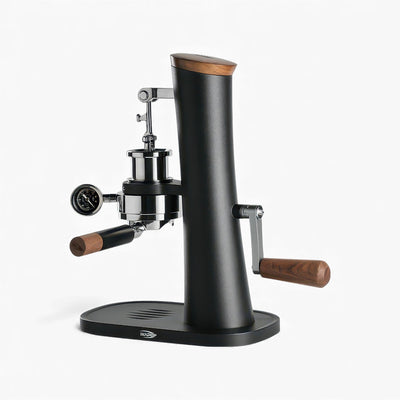
Pneumatic Portable Espresso Maker 9 Bar Pressure
$255.90 $425.00
Experience true 9-bar espresso extraction anywhere with this portable pneumatic machine. Features 304 stainless steel construction and works with CO2 cartridges or air pump for café-quality shots without electricity.
Explore ProductThe Manual Element: Mastering Tamping and Technique
What separates good home baristas from great ones often comes down to manual preparation techniques. Even the best semi-automatic espresso machine requires proper puck preparation, including consistent grinding and level tamping. Learning to apply approximately 30 pounds of pressure evenly across the portafilter ensures water flows through the coffee bed uniformly rather than channeling around dense spots.

Many enthusiasts find this hands-on aspect deeply satisfying, creating a meditative morning ritual. The tactile feedback of properly tamped grounds, the sound of the pump engaging, and the visual check of extraction time all contribute to the sensory experience that automatic machines simply cannot replicate.
Essential Accessories for Your Espresso Setup

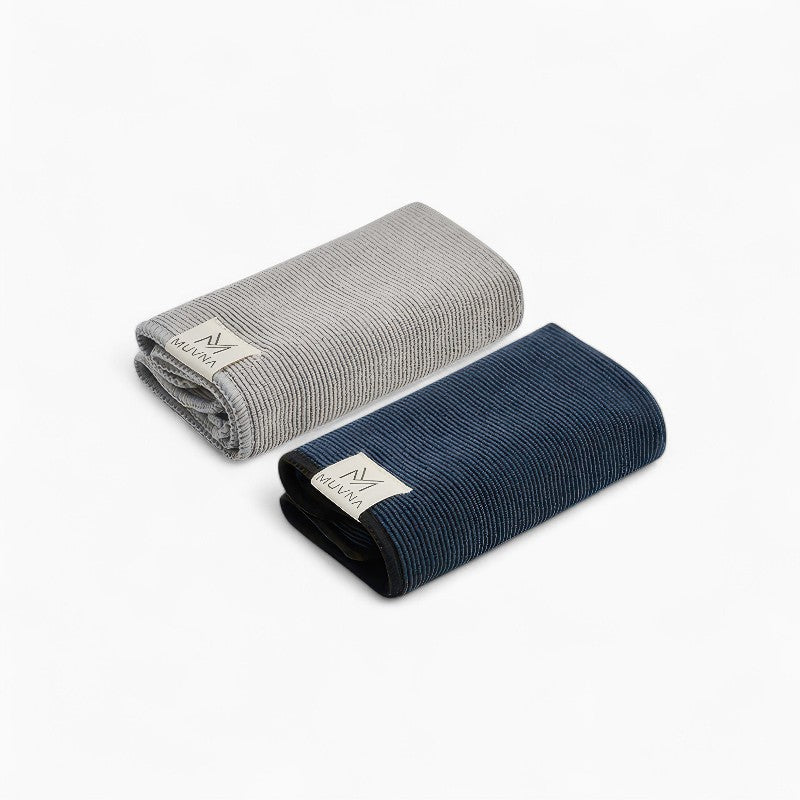
Barista Microfiber Cleaning Towel for Espresso
$8.90
$15.00
Keep your semi-automatic espresso machine spotless with ultra-fine microfiber towels that lift oils and milk residue without streaks or lint. Essential daily maintenance accessory for any home barista. Learn more ➔

Rechargeable Handheld Milk Frother with 3 Speeds
$89.90
$142.00
Create café-quality microfoam in seconds with three precision speed settings. USB-C rechargeable with whisper-quiet operation - the perfect companion to your espresso machine for lattes and cappuccinos. Learn more ➔
Maintenance Matters: Keeping Your Machine Performing
Regular maintenance separates machines that last five years from those serving for fifteen. Daily cleaning of your steam wand prevents milk residue buildup that affects flavor and hygiene. Backflushing the group head weekly removes coffee oils that can turn rancid and clog internal valves. For detailed maintenance guidance, Home-Barista offers extensive resources on espresso machine care.
Water quality significantly impacts longevity. Hard water causes scale buildup that damages boilers and heating elements, while overly soft water can corrode copper and brass. Using filtered water with appropriate mineral content protects your investment and improves taste.
What Is the Best Quality Espresso Machine for Home Use?
Determining the best quality espresso machine for home use depends on your specific needs, but several factors consistently indicate superior construction. Commercial-grade components like brass group heads, stainless steel boilers, and solenoid valves indicate machines built for performance rather than planned obsolescence.
Quality machines offer repairability, meaning individual components can be replaced rather than discarding the entire unit when something fails. Italian manufacturers have long dominated the high-end market, though several newer companies now offer excellent build quality at competitive prices.
Consider your counter space, electrical requirements, and beverage preferences when evaluating quality. A machine with excellent brew temperature stability but an underpowered steam wand frustrates latte lovers, while espresso purists might prioritizeshot consistency over milk texturing capabilities.

Creating Your Home Barista Station
Beyond the machine itself, building a functional espresso station enhances your workflow and enjoyment. Dedicate adequate counter space for grinder placement, allowing easy movement between grinding, tamping, and brewing stations. Good lighting helps you evaluate shot quality and crema color, while a knock box nearby keeps your area tidy.
Storage solutions for beans, cups, and accessories keep essentials within arm's reach without cluttering your workspace. Many home baristas invest in tamping stations, scale platforms, and cup warming trays to complete their setup. For more on organizing your coffee corner, Sprudge provides excellent styling advice for home coffee stations.
Temperature management matters too. Preheating your cups with hot water from the machine's spout ensures your espresso maintains optimal temperature from first sip to last. Similarly, allowing your grinder to warm up for a few minutes reduces static and improves consistency.
Conclusion: Your Journey to Better Espresso Starts Here
Selecting the right semi-automatic espresso machine marks the beginning of a rewarding journey into craft coffee. These machines offer the ideal combination of control and consistency, allowing you to develop genuine barista skills while enjoying café-quality results at home.
Whether you choose an entry-level model to test the waters or invest in a prosumer unit designed for decades of service, the key lies in matching the machine's capabilities to your goals and dedication level. Remember that exceptional espresso comes from the intersection of quality equipment, fresh beans, proper technique, and regular maintenance.
At Rethink Cafe, we understand that your semi-automatic espresso machine serves as the centerpiece of your daily ritual. From the perfect espresso machine to the microfiber towels that keep it pristine and the milk frothers that complete your latte, we curate products that elevate every aspect of your home coffee experience. Your best brew awaits.
Frequently Asked Questions about Semi-Automatic Espresso Machines
A semi-automatic espresso machine automates water temperature and pump pressure while giving the user manual control over extraction timing. You start and stop the shot yourself, allowing precise control over volume and strength, while the machine maintains the 9 bars of pressure and appropriate brewing temperature needed for proper extraction.
Yes, the Breville Barista Express and other models in the Barista line are semi-automatic espresso machines. They feature integrated conical burr grinders and automated dosing, but require you to manually control the extraction start and stop. This hybrid approach simplifies workflow while preserving the hands-on engagement that espresso enthusiasts enjoy.
Quality semi-automatic espresso machines typically last between 7 to 15 years for home use, with some commercial-grade models serving well beyond two decades with proper maintenance. Longevity depends on build materials, water quality, descaling frequency, and adherence to manufacturer maintenance schedules. Machines with brass, copper, and stainless steel components outlast those with extensive plastic construction.
The best quality home espresso machine combines commercial-grade components like brass group heads and stainless steel boilers with PID temperature control for stability. High-quality machines feature repairable designs with readily available replacement parts, 58mm standard portafilters, and powerful steam wands. While brands like Rocket, ECM, and Profitec dominate the high-end market, quality options exist across price ranges when you prioritize build materials over features.
Beginner-friendly semi-automatic machines balance ease of use with room for skill development. Look for features like pressure gauges, fast heat-up times, and forgiving portafilter designs. Entry-level models with integrated grinders simplify the learning curve, while machines with standard 58mm portafilters allow accessory upgrades as skills progress. Popular beginner options include the Gaggia Classic Pro for simplicity and the Breville Barista Express for all-in-one convenience.