For coffee enthusiasts seeking the ultimate brewing experience, a manual espresso machine represents the pinnacle of home espresso craftsmanship. Unlike automatic or semi-automatic machines, these devices put you in complete control of every variable—from pre-infusion pressure to extraction flow rate. Whether you're a discerning home barista or an espresso lover looking to deepen your connection to the brewing process, understanding the world of manual espresso machines opens up new possibilities for creating café-quality shots in your own kitchen.
In this comprehensive guide, we'll explore what makes the best manual espresso machines stand out, how they work, and why more coffee lovers are choosing lever espresso machines over their automated counterparts. By the end, you'll have the knowledge to select the perfect machine that matches your brewing ambitions.
What Is a Manual Espresso Machine and How Does It Work?
A manual espresso machine operates entirely through human power and control, without the aid of electric pumps or automated systems. Instead of relying on internal machinery to generate pressure, these machines use mechanical force—either through a lever system, hand crank, or screw mechanism—to press heated water through your coffee grounds.
The fundamental principle behind every manual espresso machine involves three key components:
- The Water Chamber: Holds water heated to the optimal extraction temperature (typically 195-205°F).
- The Brew Head: Contains the portafilter with your ground coffee and acts as the point where pressure is applied.
- The Pressure Mechanism: A lever, screw, or pump that you operate to generate the 9 bars of pressure needed for proper espresso extraction.
When you operate a hand crank espresso machine or engage a lever, you're physically forcing water through the coffee puck at precisely the pressure you determine. This direct control is what distinguishes manual machines from any other brewing method and creates the connection between barista and brew that enthusiasts crave.

Why Choose a Manual Espresso Machine? Benefits and Advantages
The resurgence of manual espresso makers in the specialty coffee world isn't accidental. These machines offer distinct advantages that appeal to serious home baristas and coffee enthusiasts alike.
Complete Pressure Control: The most significant advantage of manual operation is the ability to vary pressure throughout extraction. You can start with a gentle pre-infusion at 2-3 bars, ramp up to the standard 9 bars for the main extraction, and gradually decrease pressure at the end—a technique impossible with most automatic machines.
Precision and Repeatability: Once you master your technique, a manual lever espresso machine delivers consistent, repeatable results. The tactile feedback from the lever or crank lets you feel the resistance of the coffee puck, giving you real-time information about grind size and dose.
Portability: Many non-electric espresso machine options require no electricity, making them perfect for travel, camping, or off-grid espresso. A portable manual espresso device can accompany you anywhere while still producing authentic espresso shots.
Build Quality and Longevity: Manual machines typically feature simpler, more robust construction with fewer electronic components that can fail. Many lever and hand-powered devices are built with commercial-grade materials designed to last decades with proper care.
Price Accessibility: While premium automatic machines can cost thousands, quality handheld espresso machine options often deliver exceptional performance at a more accessible price point, making specialty coffee more attainable.
Understanding Pressure Profiling in Manual Espresso
Pressure profiling represents the most compelling reason serious baristas choose manual machines. The standard textbook extraction calls for 9 bars of pressure—the benchmark established by traditional Italian espresso standards and adopted by the Specialty Coffee Association. However, the beauty of manual extraction lies in your ability to manipulate pressure dynamically throughout the shot.
According to the Specialty Coffee Association's standards for espresso, quality extraction requires consistent pressure within optimal ranges. A manual machine lets you interpret these standards creatively:
- Low-Pressure Pre-Infusion: Beginning with 2-4 bars allows the coffee puck to saturate evenly, preventing channeling.
- Peak Extraction: Maintaining 8-10 bars during the main phase extracts the full spectrum of flavors.
- Pressure Decline: Gradually reducing pressure toward the end avoids over-extraction and bitterness.
This level of control simply isn't possible with most pump-driven machines, which typically maintain a single, fixed pressure throughout extraction.

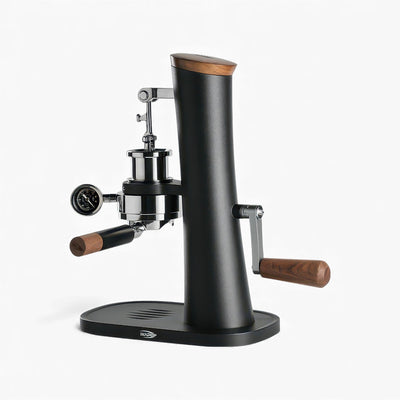
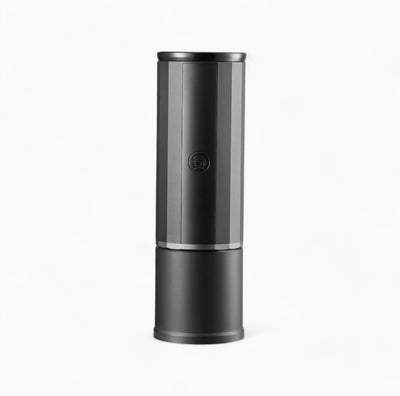
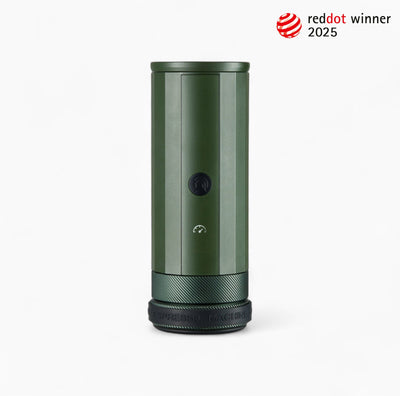

Mach M8 Hand Crank Espresso Machine 3-12 Bar
$1,490.00 $1,900.00
Experience total control with the Mach M8 hand crank espresso machine, offering adjustable 3-12 bar pressure profiling in a solid one-piece metal construction.
Explore ProductTop Manual Espresso Machine Recommendations
Finding the right manual machine depends on your specific needs—whether you prioritize portability, pressure control range, or commercial-grade components. Based on extensive testing and feedback from the home barista community, we've identified standout performers that deliver exceptional results.
For those seeking the ultimate in pressure profiling flexibility, the Mach M8 Hand Crank Espresso Machine offers an impressive 3-12 bar adjustable range, allowing you to experiment with everything from low-pressure pre-infusion to high-pressure extractions that rival commercial equipment.
Meanwhile, the Alkaid Screw-Driven Manual Espresso Machine delivers consistent 9-bar extraction through its commercial-grade 58mm E61 brew head—bringing professional café standards into your home.
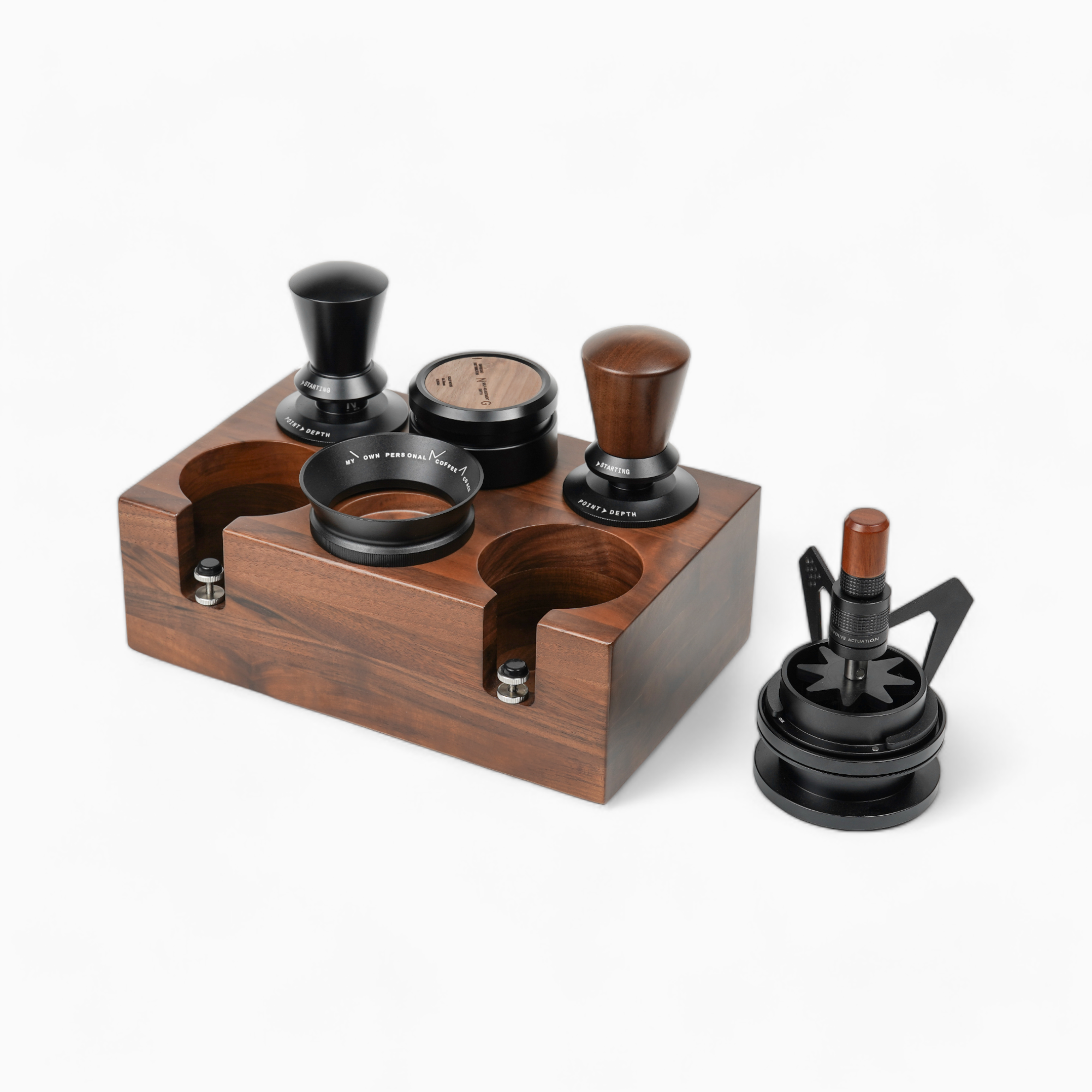
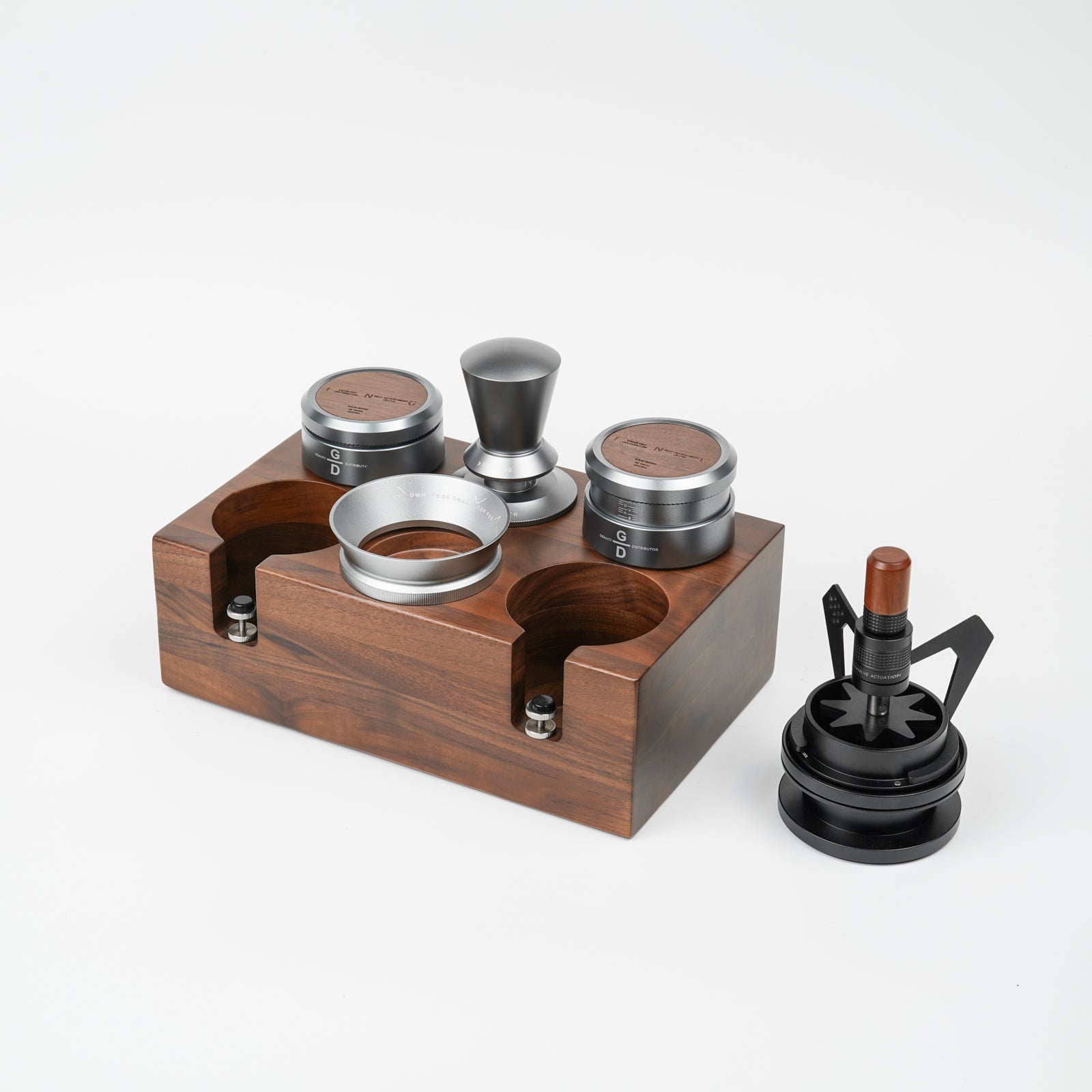
To complete your manual espresso setup, proper tamping and distribution are essential. The Barista Master Bundle Kit provides all the tools needed for professional puck preparation, housed in a beautiful walnut organizer.
Complete Your Manual Espresso Station

Alkaid Screw-Driven Manual Espresso Machine
$859.90
$1,228.00
Achieve consistent 9-bar extraction with the Alkaid screw-driven manual espresso machine featuring a commercial-grade 58mm E61 brew head. Learn more ➔

Barista Master Bundle Kit with Tamper and Distributor
$324.90
$382.00
Complete your manual espresso setup with this professional barista kit including gravity distributor, adjustable tampers, and walnut organizer box. Learn more ➔

Maintenance Requirements for Manual Espresso Machines
One of the appealing aspects of owning a manual espresso machine is the relatively straightforward maintenance routine compared to their electric counterparts. Without boilers, pumps, or complex electronic systems, there's simply less that can go wrong.
However, proper care is essential for longevity and consistent performance:
- Daily Cleaning: Flush the brew head and clean the portafilter immediately after use to prevent coffee oil buildup that can affect flavor.
- Weekly Deep Clean: Dismantle accessible parts and wash thoroughly with warm water and a mild detergent. Avoid harsh chemicals that could damage seals.
- O-Ring and Seal Inspection: Check pressure seals and O-rings monthly for wear, replacing them as needed to maintain consistent pressure.
- Descaling: Even manual machines need periodic descaling if using hard water—typically every 3-6 months depending on water hardness.
Most quality manual machines require minimal maintenance beyond routine cleaning, with many simpler lever and screw-driven models having serviceable lives measured in decades rather than years.
Are Manual Espresso Machines Worth It for Beginners?
A common question among aspiring home baristas is whether starting with a manual espresso maker is realistic. The honest answer: it depends on your approach and expectations.
Manual machines do present a steeper learning curve than automatic alternatives. Success requires understanding grind size, dose, and tamping technique before you even pull your first shot. However, this learning process is where many coffee enthusiasts find the most satisfaction.
For the motivated beginner: A portable manual espresso machine offers an affordable entry point into quality espresso without the overwhelming settings and automation of expensive machines. The tactile feedback teaches you what proper extraction feels like, building skills that transfer to any espresso equipment.
If you're willing to embrace the journey and view the first few weeks as a learning experience rather than immediate perfection, a manual machine can absolutely be the right choice. Start with a model that offers pressure feedback, watch educational content from respected channels, and prepare to enjoy the process as much as the results.
Final Thoughts: Elevate Your Espresso Experience
The best manual espresso machines offer something no automated system can replicate—a genuine connection between you and your coffee. Every variable becomes a choice you make, every shot a reflection of your skill and preferences.
At Rethink Cafe, we believe that great espresso isn't about complexity—it's about control. Whether you choose the pressure profiling versatility of the Mach M8, the consistent precision of the Alkaid, or need the professional accessories in the Barista Master Bundle, investing in quality equipment transforms your daily coffee routine into a craft.
Browse our curated collection of manual espresso machines and accessories to find the perfect setup for your home barista journey. With the right tools and a willingness to experiment, café-quality espresso is closer than you think.
Frequently Asked Questions about Manual Espresso Machines
A manual espresso machine operates through human-powered mechanical force rather than electric pumps. You generate pressure—typically using a lever, hand crank, or screw mechanism—to push heated water through ground coffee in the portafilter. The machine consists of a water chamber heated to 195-205°F, a brew head containing the coffee, and a mechanical system that you operate to create the 9 bars of pressure required for espresso extraction. Your physical effort and technique directly control the pressure profile throughout the shot.
Manual espresso machines offer complete pressure control for custom extraction profiles, superior build quality and longevity with fewer electronic components, portability for travel and off-grid brewing, educational tactile feedback that improves barista skills, and often more accessible pricing compared to premium automatic machines. They also provide the satisfaction of hands-on brewing and typically feature simpler maintenance requirements.
Manual espresso machines require daily cleaning of the brew head and portafilter, weekly deep cleaning of accessible parts, monthly inspection of O-rings and seals for wear, and periodic descaling every 3-6 months depending on water hardness. The simplicity of manual machines means fewer failure points than automatic machines, with many quality units lasting decades when properly maintained. Always use mild detergents and avoid harsh chemicals that can damage seals.
The standard extraction pressure for espresso is 9 bars, which manual machines are designed to achieve. However, the advantage of manual machines is variable pressure profiling—you can start with 2-4 bars for pre-infusion, increase to 8-10 bars for main extraction, and gradually decline pressure to finish. Some models like the Mach M8 offer adjustable ranges from 3-12 bar, enabling experimentation beyond standard parameters. Traditional Italian espresso standards and Specialty Coffee Association guidelines both reference 9 bars as the benchmark.
Manual espresso machines can be excellent for motivated beginners who view learning as part of the experience. While there's a steeper learning curve than automatic machines, portable manual options offer affordable entry into quality espresso. The tactile feedback teaches proper extraction fundamentals that transfer to any equipment. Success requires patience through initial attempts as you learn grind, dose, and tamping. Beginners willing to embrace the journey and see the first weeks as skill-building will find manual machines rewarding and educational.