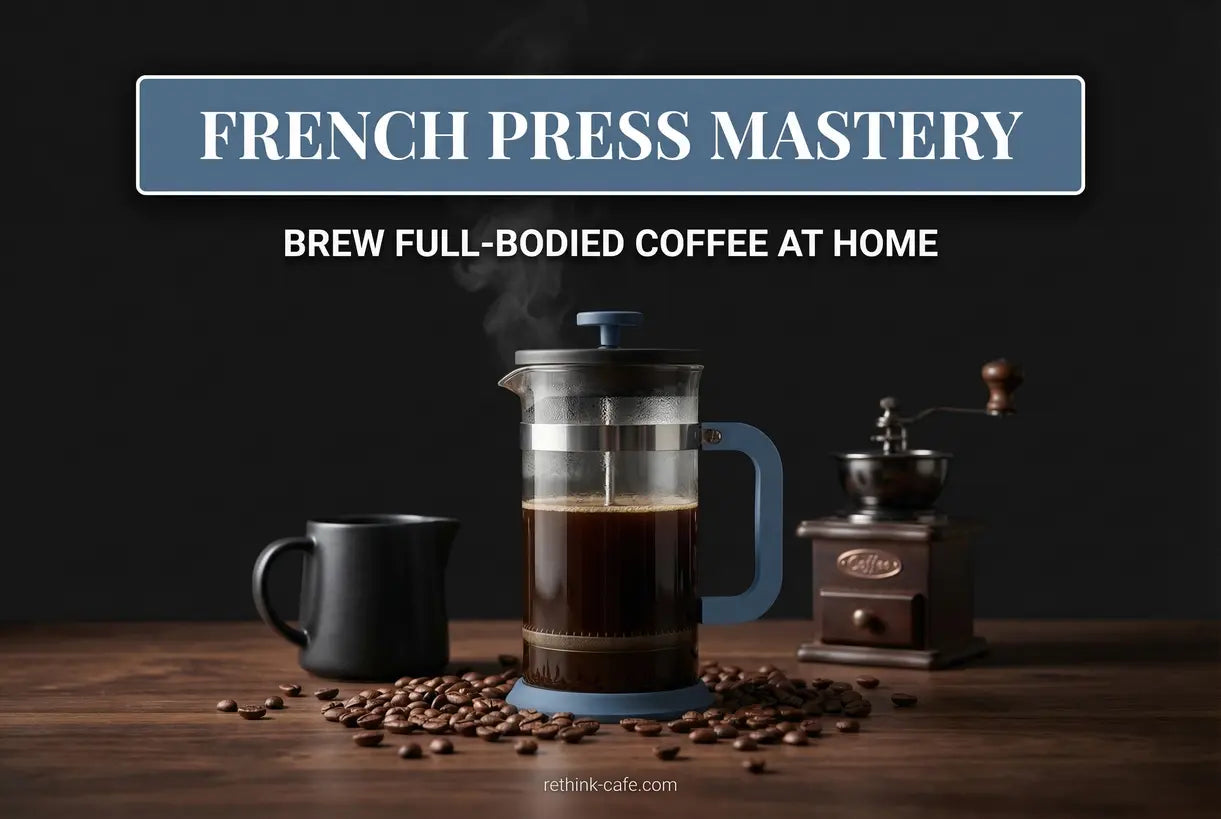
There's something undeniably satisfying about the ritual of morning coffee brewing. The aroma, the precision, the anticipation of that first sip. For those seeking a method that delivers full-bodied coffee with rich oils and robust flavor intact, the french press coffee maker stands as one of the most rewarding brewing methods available to home baristas.
Unlike paper-filter methods that strip away natural oils, immersion brewing extracts every nuance from your beans, creating a cup that truly represents the coffee's origin character. Whether you're transitioning from drip machines or looking to elevate your morning routine, understanding what makes the best French press for your needs—and how to use it correctly—transforms your daily brew from ordinary to extraordinary.
Why Full-Bodied Brewing Matters
The french press brewing revolution began in France in the 1800s, and the method hasn't changed much because it works brilliantly. The metal mesh filter allows microscopic coffee oils and fine particles through, creating that signature syrupy mouthfeel that immersion brewing enthusiasts crave.
When you choose a french press coffee maker, you're selecting a device that prioritizes flavor complexity over convenience. The result is a cup with substantial body, pronounced aromatics, and a depth that paper-filtered methods simply cannot replicate.

What Makes the Best French Press Coffee Maker
Selecting the right equipment depends on several critical factors that separate exceptional press pot coffee makers from mediocre ones.
Material Selection for Heat Retention
The best french press options feature double-wall stainless steel or borosilicate glass construction. Stainless steel models offer superior heat retention and durability, while glass allows you to watch the french press brewing process unfold.
Filter Quality Matters
A precision-engineered mesh filter creates the cleanest cup with minimal sediment. Look for fine-weave stainless steel filters that effectively separate grounds while preserving those essential oils that define plunger coffee maker brewing.
Capacity Considerations
Standard french press pot sizes range from 12 ounces (single serve) to 51 ounces (family size). Choose based on your household consumption—freshly pressed coffee is best enjoyed immediately rather than sitting in the carafe.
Mastering The Ultimate French Press Technique
Before diving into equipment recommendations, understanding proper technique ensures you extract maximum flavor from any coffee press you choose.
The Step-by-Step Process
- Heat your water to 200°F (just off boiling)—precise temperature control prevents over-extraction and bitterness
- Grind your beans coarse, resembling sea salt texture
- Add ground coffee to the empty french press—use a 1:15 coffee-to-water ratio
- Start your timer and pour water in a circular motion, saturating all grounds
- Stir gently at the 1-minute mark to ensure even extraction
- Steep for 4 minutes total for optimal flavor development
- Press the plunger down slowly and steadily
- Serve immediately to prevent over-extraction

The Critical Importance of Grind Size
Your what grind size for French press question is answered simply: coarse and consistent. Too fine, and you'll create a muddy, over-extracted mess that clogs the filter. Too inconsistent, and fine particles slip through while coarse chunks under-extract.
The ideal consistency resembles coarse sea salt or breadcrumbs. This allows water to flow around the particles during the 4-minute steep while preventing excessive sediment in your cup.
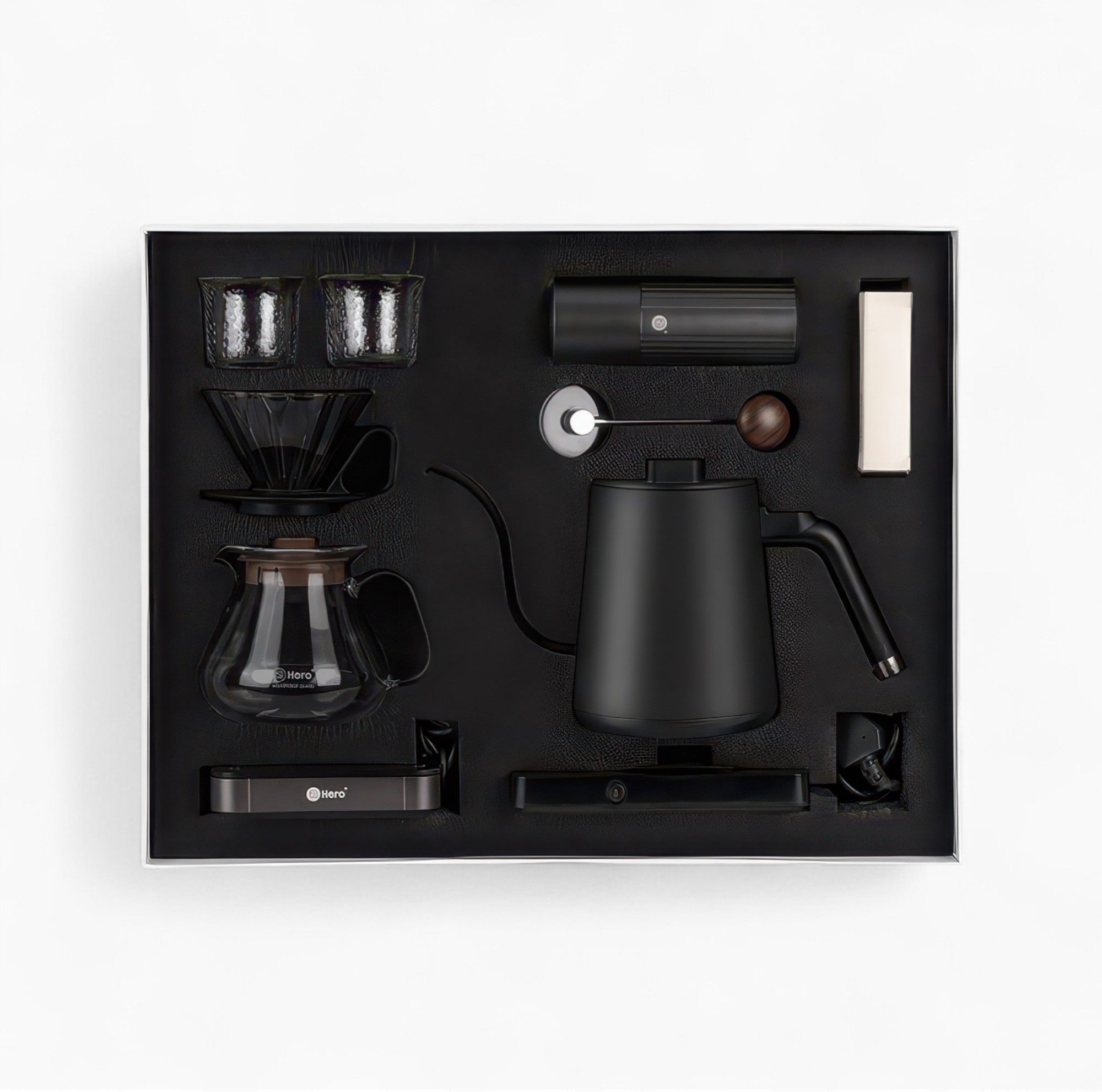
To achieve this precision at home, the Complete Pour Over Coffee Kit with Electric Grinder delivers professional-grade consistency with adjustable settings specifically calibrated for french press brewing and immersion methods.

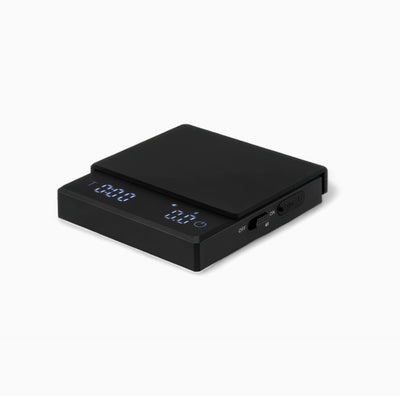
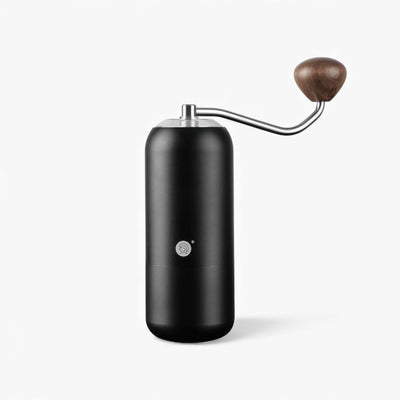

Complete Pour Over Coffee Kit with Electric Grinder
$305.90 $560.00
Achieve the perfect coarse grind for French press brewing with this complete kit featuring precision temperature control and professional grinding performance.
Explore ProductWater Temperature: The Precision Factor
While many home baristas bring water to a rolling boil and immediately pour, how long to steep French press coffee actually begins with proper heating. Water at 212°F (boiling) scalds coffee grounds, extracting excessive bitterness. The SCA (Specialty Coffee Association) recommends 195-205°F for optimal extraction.
Using a Gooseneck Electric Kettle with Temperature Control eliminates guesswork, allowing you to set the exact temperature for your specific beans. Darker roasts often prefer 195°F while lighter roasts extract beautifully at 200-205°F.
According to Specialty Coffee Association standards, maintaining brewing temperature within this narrow range significantly impacts flavor clarity and acidity balance.
Essential Brewing Tools for Your Setup

Gooseneck Electric Kettle with Temperature Control
$138.90
$255.00
Dial in the ideal 200°F water temperature for French press extraction with degree-level precision and six one-touch presets for perfect brewing every time. Learn more ➔

Coffee Grinder Cleaning Brush with Fine Bristles
$9.90
$25.00
Keep your grinder in top condition with this precision cleaning brush designed to remove coffee oils and compacted grounds for consistent French press results. Learn more ➔
Maintaining Your Equipment for Consistent Results
Great coffee requires clean equipment. Oils from previous brews quickly become rancid, tainting fresh cups with stale flavors. Regular maintenance of your grinder and brewing equipment preserves flavor integrity.
The Coffee Grinder Cleaning Brush with Fine Bristles removes compacted grounds from burrs and chambers that compressed air can't reach. For your french press coffee maker, disassemble the filter mechanism weekly and rinse thoroughly to remove trapped oils.
Pro Tip: After cleaning, run a small batch of inexpensive coffee through your grinder to absorb residual moisture and cleaning residue before grinding your premium beans.
French Press vs Drip Coffee: Understanding the Difference
When debating french press vs drip coffee, the choice ultimately depends on your flavor priorities.
| Characteristic | French Press | Drip Coffee |
|---|---|---|
| Body & Mouthfeel | Heavy, syrupy, full-bodied | Light, clean, tea-like |
| Oil Retention | High (metal filter) | Low (paper filter) |
| Acidity | Muted, rounded | Bright, pronounced |
| Preparation Control | Complete manual control | Machine-dependent |
| Cleanup | Moderate (grounds disposal) | Simple |
For those who appreciate press pot coffee with substantial texture and complex flavor layers, the french press reigns supreme. Drip methods favor convenience and clarity over richness.

Quality Check: The best indicator of a superior french press is the aftertaste. Quality immersion brewing leaves a pleasant, lingering finish that evolves on your palate for minutes after your last sip.
Answering: What Is the Best French Press Coffee Maker?
While countless brands vie for attention, the best french press coffee maker combines durable construction, precise filtering, and ergonomic design. Look for borosilicate glass or double-wall stainless steel carafes, tight-fitting lids, and multi-layer filtration systems.
Consider your brewing volume, aesthetic preferences, and whether portability matters. Insulated stainless steel models maintain temperature longer but sacrifice visual appeal. Glass models showcase the brewing process but require careful handling.
Troubleshooting Common French Press Problems
Silty, Gritty Textures
If your cup contains excessive sediment, check your grind consistency. Too coarse, and you get weak coffee. Too fine, and it slips through the filter. The sweet spot requires experimentation based on your specific beans.
Bitter Over-Extraction
Bitterness usually indicates water that was too hot or steeping that lasted too long. Invest in a timer and thermometer—precision transforms good coffee into exceptional coffee.
Weak, Under-Extracted Brews
If your coffee tastes thin and sour, your water was likely too cool or your steep too short. Ensure your water reaches at least 195°F and maintains contact with grounds for the full 4 minutes.
Conclusion: Elevating Your Daily Ritual
Mastering the french press coffee maker unlocks a world of flavor complexity that filtered methods cannot provide. The combination of full immersion, metal filtration, and manual control creates cups with unrivaled body and character.
Success in french press brewing depends on three pillars: quality equipment, precise grind consistency, and temperature accuracy. At Rethink Cafe, we engineer tools that eliminate the variables between good intentions and perfect execution.
Whether you're refining your french press guide knowledge or building your first home brewing station, the right equipment transforms potential into perfection. Explore our curated collection of precision grinding equipment, temperature-controlled kettles, and maintenance accessories designed for coffee enthusiasts who refuse to compromise on their morning ritual.
Frequently Asked Questions about French Press Coffee Makers
Add coarse-ground coffee to the empty carafe using a 1:15 coffee-to-water ratio. Heat water to 200°F and pour slowly, saturating all grounds. Stir gently, then steep for 4 minutes exactly. Press the plunger down slowly and steadily. Serve immediately for the best flavor.
The best French press coffee maker features durable stainless steel or borosilicate glass construction, double-wall insulation for heat retention, and a fine-mesh filter system that prevents sediment while allowing beneficial oils through. Look for models with easy-to-clean designs and comfortable, balanced handles.
French press requires a coarse grind similar to sea salt or breadcrumbs. Too fine causes over-extraction and clogging; too coarse creates weak, under-extracted coffee. Consistency is crucial—invest in a quality burr grinder rather than blade grinders for uniform particle size.
Steep French press coffee for exactly 4 minutes. This duration allows optimal extraction of flavors without pulling excessive bitterness. Start your timer when water first touches the grounds, stir at 1 minute for even saturation, then press at 4 minutes total.
Neither is objectively "better"—they serve different preferences. French press produces full-bodied, rich coffee with oils intact using metal filtration. Drip coffee creates cleaner, lighter-bodied cups with paper filtration. Choose French press for complexity and mouthfeel; choose drip for convenience and clarity.