

Opening a coffee shop or upgrading your existing business equipment requires one critical investment that can make or break your daily operations: the commercial espresso machine. This powerful workhorse sits at the heart of your cafe, serving as the engine that transforms quality beans into the rich, complex espresso shots your customers crave. Whether you're launching a new venture or replacing outdated equipment, selecting the right machine demands careful consideration of your volume needs, menu complexity, and long-term business goals.
In this comprehensive guide, we'll explore everything you need to know about commercial espresso machines for businesses of all sizes. From understanding the differences between consumer and commercial-grade equipment to comparing industry-leading brands like La Marzocco and Nuova Simonelli, you'll gain the insights necessary to make an informed decision. We'll also reveal how the right accessories and tools can extract maximum performance from your investment.

What Sets a Commercial Espresso Machine Apart
Understanding the fundamental differences between home and commercial espresso machines is essential before making your investment. A commercial espresso machine for business use is engineered specifically for high-volume, continuous operation that would quickly overwhelm residential equipment. These professional-grade machines feature robust heating systems, commercial-grade pumps, and durable construction designed to withstand the demands of a busy coffee shop environment.
The primary distinction lies in thermal stability and recovery speed. While home machines may take several minutes to recover between shots, commercial machines maintain consistent temperature and pressure even during peak rushes. Multi-boiler systems allow simultaneous steaming and brewing, while volumetric controls ensure shot consistency across different baristas and shift changes. These features directly impact your bottom line through faster service times and reduced waste.
Key Differentiators
- Temperature Stability: Commercial machines maintain precise brewing temperatures within 0.5°F variance
- Group Head Capacity: Options range from 1 to 4 group heads for varying volume requirements
- Steam Power: Continuous steam output for milk-based beverages without waiting
- Build Quality: Stainless steel construction, commercial-grade components, and 5+ year lifespans
- Service Infrastructure: Local technician availability and warranty coverage designed for business use
Leading Commercial Espresso Machine Brands
The commercial espresso machine market features several established manufacturers, each with distinct philosophies and specialties. Understanding these brands helps you align your equipment choice with your business model and aesthetic preferences.
La Marzocco
Italian-born La Marzocco stands as arguably the most prestigious name in specialty coffee. Their handcrafted machines, including the iconic Linea series and the innovative KB90, feature dual boiler systems, saturated group heads for exceptional temperature stability, and legendary durability. Many high-end cafes choose La Marzocco for their combination of performance and stunning visual presence that becomes a focal point of the customer experience.
Nuova Simonelli
The commercial coffee machine offerings from Nuova Simonelli emphasize user-friendliness and consistency. Their Aurelia series incorporates push-button programming, auto-purge systems, and ergonomic design that reduces barista fatigue during long shifts. These machines excel in environments where training time is limited or staff turnover is high.
Rancilio
For businesses prioritizing value without sacrificing quality, Rancilio provides time-tested machines like the Classe series. These workhorses deliver professional performance at more accessible price points, making them popular choices for small coffee shops just entering the commercial espresso market.
Victoria Arduino
Combining stunning retro aesthetics with modern technology, Victoria Arduino machines like the Eagle One feature heat recovery systems that reduce energy consumption while maintaining exceptional thermal stability. Their architectural presence makes them ideal for businesses where design is as important as performance.
Essential Features for Your Commercial Setup
When evaluating best commercial espresso machine options, certain technical specifications directly impact your daily operations and coffee quality. These features separate entry-level commercial equipment from professional-grade workhorses.
Boiler Configuration
Single boiler machines require waiting between brewing and steaming, significantly slowing service during rush periods. Heat exchange boilers allow simultaneous brewing and steaming using a single heat source, while multi-boiler systems provide dedicated boilers for brewing and steaming with independent temperature control. For high-volume shops, multi-boiler configurations justify their higher price through increased throughput and shot consistency.
Volumetric vs. Manual Control
Volumetric machines deliver programmable water volumes at the touch of a button, ensuring consistency regardless of operator. This feature proves invaluable when training new staff or managing multiple baristas. Manual ( paddle or lever) machines provide maximum control for experienced baristas but require significant skill to maintain consistency.
Group Head Count
Selecting the appropriate number of group heads depends on your anticipated volume:
| Group Heads | Daily Output | Ideal For |
|---|---|---|
| 1 Group | 50-100 drinks | Small takeaway shops, restaurants |
| 2 Group | 150-300 drinks | Most independent coffee shops |
| 3 Group | 300-500 drinks | High-volume cafes, multiple locations |
To see these machines in action and compare real-world performance, check out this comprehensive video review:
Investment Considerations: Commercial Espresso Machine Pricing
Commercial espresso machine prices vary dramatically based on features, brand reputation, and capacity. Understanding this investment landscape helps you budget appropriately while avoiding machines that won't meet your needs.
Entry-Level Commercial: $3,000 - $8,000
Single-group semi-automatic machines from brands like Rocket or lower-end Rancilio models fall into this category. These work well for businesses with projected volumes under 100 drinks daily or establishments where espresso complements rather than drives the menu.
Mid-Range Professional: $8,000 - $15,000
Two-group heat exchange and entry-level dual boiler machines from Nuova Simonelli and mid-tier Rancilio dominate this segment. These machines handle moderate volumes (150-250 drinks daily) while providing the features necessary for quality-focused coffee programs.
High-End Commercial: $15,000 - $30,000+
Dual and multi-boiler machines from La Marzocco, Victoria Arduino, and premium Nuova Simonelli lines occupy this tier. These industrial espresso machines offer the reliability, consistency, and visual impact necessary for established specialty coffee shops with high daily volumes.
Total Cost of Ownership: Beyond the machine purchase, budget for installation ($500-$2,000), water filtration systems ($300-$800), regular maintenance ($500-$1,500 annually), and appropriate accessories for barista workflow.
Why Your Commercial Machine Needs Professional Accessories
Here's what many equipment buyers overlook: even the finest commercial espresso machine delivers subpar results without proper supporting tools. The difference between good and exceptional espresso often lies in puck preparation, distribution, and extraction monitoring rather than the machine itself. This is where precision accessories become essential investments.
Your bottomless portafilter reveals channeling and extraction issues invisible with spouted models. Precision tampers with depth gauges eliminate the inconsistency of traditional tools. Distribution tools ensure even water flow through the puck. Without these elements, even a $25,000 La Marzocco produces mediocre shots.
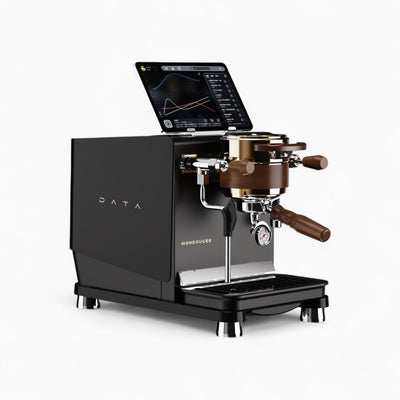
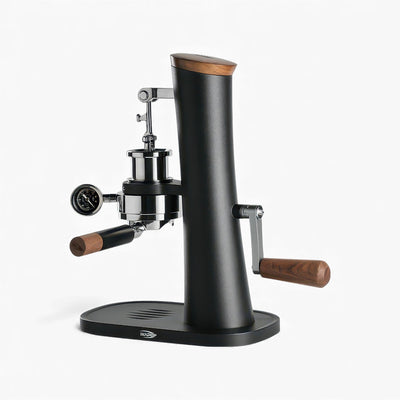

58mm Espresso Bundle with Bottomless Portafilter Kit
$255.90 $460.00
Complete your commercial espresso station with this professional 58mm bundle. Includes bottomless portafilter for extraction visibility, precision tamper, and distribution tools for consistent shots every time.
Explore ProductThe 58mm Espresso Bundle with Bottomless Portafilter Kit eliminates guesswork in your extraction process. The bottomless design immediately reveals channeling, uneven tamping, or distribution problems. When you invest five figures in a commercial espresso machine, you need visibility into every shot to maintain quality standards and train staff effectively.

Creating an Efficient Workflow Station
Professional cafes depend on ergonomic efficiency. Every second of wasted motion compounds across hundreds of daily transactions. A dedicated tamping station with integrated knock box keeps your bar organized while protecting expensive countertops. The Complete Barista Espresso Tool Kit with Tamping Station transforms chaotic prep areas into streamlined workstations.
Similarly, not every drink requires steam wand intervention. For cold foam toppings, quick hot chocolate preparation, or backup during equipment maintenance, a reliable handheld frother maintains service speed. The USB Rechargeable Handheld Milk Frother Stainless Steel provides professional microfoam quality without steam wand dependency.
Essential Commercial Espresso Accessories

Complete Barista Espresso Tool Kit with Tamping Station
$321.90
$378.00
Equip your coffee shop with this comprehensive barista tool kit featuring a tamping station with integrated knock box, WDT distribution tool, and adjustable depth tamper for professional puck preparation. Learn more ➔

USB Rechargeable Handheld Milk Frother Stainless Steel
$19.99
$29.99
Perfect for commercial environments, this USB rechargeable milk frother delivers cafe-quality microfoam in seconds without the need for a steam wand upgrade. Learn more ➔
Making Your Final Decision
Selecting the best commercial espresso machine involves balancing your budget against your volume requirements, menu complexity, and brand positioning. Start by projecting your daily drink count, then add 25% for growth and peak rushes. Choose machines with proven track records in similar environments, and prioritize manufacturers with local service support.
Remember that your machine represents a long-term partnership. The right choice serves your business for 7-10 years with proper maintenance. Consider leasing options that preserve capital while providing access to premium equipment, particularly for new businesses managing cash flow carefully.

At Rethink Cafe, we understand that your espresso machine for commercial use is just the beginning. The accessories and tools that surround it determine whether you extract its full potential or leave performance on the table. That's why we curate professional-grade equipment designed to elevate every aspect of your coffee program, from precision tamping stations to extraction-monitoring bottomless portafilters.
Whether you're equipping your first cafe or upgrading an established location, the combination of a quality machine and the right supporting tools creates the foundation for exceptional coffee and sustainable business success.
Frequently Asked Questions about Commercial Espresso Machines
The best commercial espresso machine depends on your specific needs. La Marzocco dominates the high-end specialty market with models like the Linea PB and KB90. Nuova Simonelli offers excellent mid-range options like the Aurelia Wave. For small coffee shops, Rancilio Classe machines provide professional performance at accessible prices. Consider your daily volume, budget, available service support, and whether you prioritize manual control or programmable consistency when making your selection.
Professional espresso machines range from $3,000 for entry-level single-group commercial models to $30,000+ for high-end multi-group machines from premium brands. Mid-range two-group machines suitable for most independent coffee shops typically cost $8,000-$15,000. Additionally, budget for installation ($500-$2,000), water filtration ($300-$800), and ongoing maintenance ($500-$1,500 annually). Leasing programs can spread these costs over monthly payments for businesses managing cash flow.
The 2:1 ratio (also called a normale shot) means using twice as much liquid espresso as ground coffee by weight. For example, extracting 36 grams of espresso from 18 grams of ground coffee. This produces a balanced shot with proper extraction. A ristretto shot uses less water (1:1 to 1.5:1), creating a more concentrated, sweeter extraction, while a lungo uses more water (3:1 to 4:1) for a milder, more diluted coffee. Commercial machines with volumetric controls can program these ratios precisely.
Both Breville and DeLonghi manufacture quality home espresso machines, but neither produces true commercial-grade equipment suitable for coffee shop use. For commercial environments requiring high-volume, continuous operation, consider dedicated commercial manufacturers like La Marzocco, Nuova Simonelli, Rancilio, or Victoria Arduino. These brands engineer machines specifically for business use with commercial-grade components, multi-boiler systems, and professional service networks. However, both Breville and DeLonghi offer excellent options for home baristas or office environments with lower volume requirements.
Essential features include multi-boiler or heat exchange systems for simultaneous brewing and steaming, volumetric controls for consistency across baristas, and appropriate group head count for your volume (typically 2-3 groups for coffee shops). Look for PID temperature control, pressure profiling capabilities, and ergonomic steam wands. Prioritize machines with local authorized service support and comprehensive warranties. For busy environments, consider automatic cleaning cycles and programmable shot volumes. Build quality matters—stainless steel construction and commercial-grade components ensure longevity under demanding conditions.


