Walking into a specialty coffee shop and watching the barista craft that perfect shot of espresso can feel like witnessing pure magic. The rich crema, the aromatic bloom, the velvety texture—it's an experience that seems to require thousands of dollars in equipment and years of training. But here's the truth that coffee enthusiasts are discovering: you can achieve cafe-quality espresso at home without draining your savings account.
The market for best affordable espresso machine options has evolved dramatically. Today's budget-friendly models pack features that were once reserved for high-end commercial equipment. Whether you're a beginner looking for your first entry level espresso machine or a coffee lover seeking a budget espresso machine that doesn't compromise on taste, this guide will help you navigate the sweet spot where affordability meets excellence.
What Makes a Budget Espresso Machine Worth Your Investment?
When searching for the best affordable espresso machine, understanding what separates worthwhile budget options from disappointing ones is crucial. The goal isn't just to find a cheap espresso machine—it's to discover equipment that delivers genuine espresso quality without the premium price tag.
The Non-Negotiable Features
Even at lower price points, certain features are essential for producing authentic espresso:
- 15 bars of pressure minimum: True espresso requires 9 bars of extraction pressure, so your machine needs to deliver at least 15 bars at the pump to account for pressure loss through the system.
- Temperature stability: Consistent water temperature (195-205°F) prevents sour or bitter shots. Look for machines with thermoblock or thermocoil heating systems.
- Portafilter quality: A solid, pressurized or non-pressurized portafilter makes a significant difference in extraction quality.
Setting Realistic Expectations
A budget friendly espresso machine in the $100-$400 range won't have the dual boilers or PID temperature control of $2,000+ models. However, with proper technique and the right accessories, these machines can produce espresso that rivals your local cafe. The key is understanding that the machine is only part of the equation—your grinder, beans, and technique matter equally.
The Sweet Spot: Is a $300 Espresso Machine Worth It?
One of the most common questions among home baristas is whether mid-range machines justify their price compared to ultra-budget options. The $300 price point represents a critical threshold in the espresso machine market—it's where you begin to see features that genuinely impact shot quality.
At this level, machines typically offer:
- Improved temperature stability through better heating elements
- More powerful steam wands capable of creating microfoam for latte art
- Durable construction that lasts years rather than months
- Pressure profiling or adjustable OPV (over-pressure valve) options
While you can certainly make espresso with a $100 machine, the consistency and quality jump at the $300 level is significant enough that many enthusiasts consider this the true entry point for serious home espresso. If you're committed to daily espresso and want to minimize frustration while maximizing flavor, this investment pays dividends in every cup.

Essential Accessories That Transform Budget Machines
Here's a truth that experienced home baristas understand: your espresso machine is the foundation, but accessories are the force multipliers. A $200 machine paired with quality tools can outperform a $500 machine used with poor technique and cheap accessories.
When working with a budget espresso machine, certain accessories become even more critical. These tools help compensate for the limitations of entry-level equipment while elevating your coffee quality to match much more expensive setups.

Pneumatic Portable Espresso Maker 9 Bar Pressure
$255.90 $425.00
Experience true espresso anywhere with this portable 9-bar pneumatic brewer that delivers cafe-quality shots without electricity or expensive equipment.
Explore ProductFor those seeking ultimate flexibility, the Pneumatic Portable Espresso Maker 9 Bar Pressure offers a unique solution. This innovative device delivers true 9-bar extraction pressure—the gold standard for espresso—without requiring electricity or a bulky countertop machine. It's perfect for travelers, campers, or anyone who wants quality espresso without the investment in a full machine setup. The pneumatic system gives you complete control over pre-infusion and extraction, features usually reserved for high-end prosumer machines.
The Upgrade Path: Tools Over Machines
Many home baristas make the mistake of constantly upgrading their machine while neglecting the tools that actually impact shot quality. Before you replace your budget espresso machine, consider upgrading your accessories first. A precision tamper, WDT tool, and proper distribution technique can transform your current machine's output.
This philosophy is especially valuable for beginners. Instead of investing $1,000+ in a prosumer machine while learning, start with a budget friendly espresso machine and invest in quality accessories. You'll develop proper technique, understand what features matter to you, and make a more informed decision if you eventually upgrade. Plus, good accessories transfer to any machine you buy in the future.
Elevate Your Budget Setup With Professional Tools

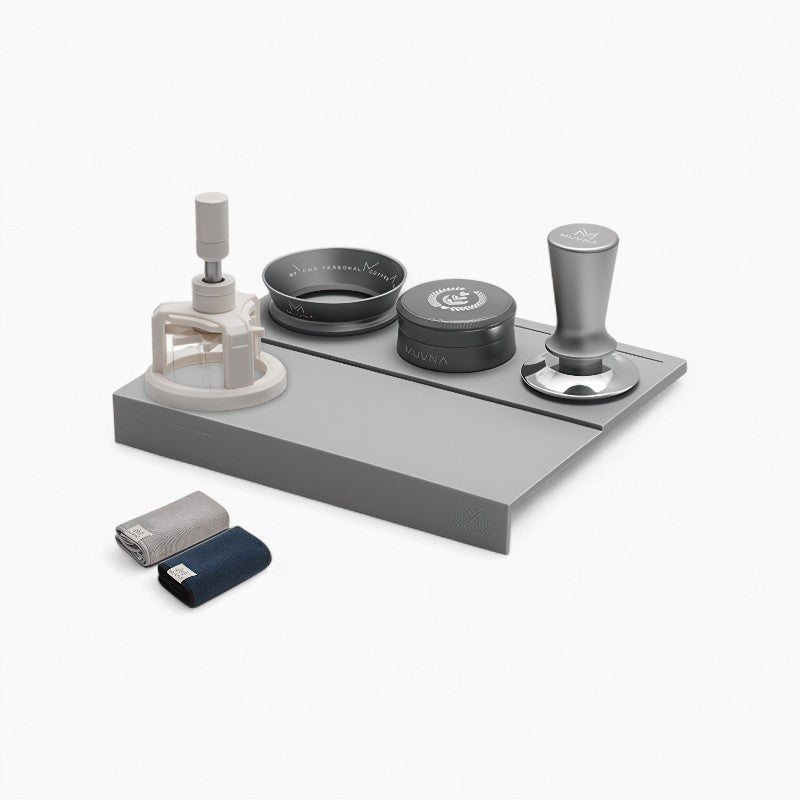
Professional Barista Starter Kit with Tamper and WDT
$139.90
$260.00
Elevate your budget espresso machine's performance with this complete 5-piece kit featuring precision tampers, WDT tool, and magnetic dosing accessories. Learn more ➔

Rechargeable Handheld Milk Frother with 3 Speeds
$89.90
$142.00
Transform your budget espresso setup with velvety microfoam from this USB-C rechargeable frother featuring three precision speed settings for perfect milk texture. Learn more ➔

Maximizing Performance From Your Budget Espresso Machine
Once you've selected your best affordable espresso machine, the journey to exceptional coffee is just beginning. Budget machines often require a bit more attention and technique to extract their full potential, but the rewards are well worth the effort.
The Grinder: Your Most Critical Investment
If there's one accessory more important than your machine, it's your grinder. Even the best budget espresso machine cannot compensate for poorly ground coffee. Pre-ground coffee loses its volatile aromatics within minutes, and inconsistent particle sizes lead to channeling and uneven extraction.
For budget setups, consider a quality hand grinder or entry-level electric burr grinder. The consistency they provide will transform your espresso more than upgrading to a $1,000 machine ever could. Look for grinders with stepless adjustment or micro-adjustments to dial in your shots precisely.
Technique Over Technology
High-end machines automate many variables, but budget machines teach you the fundamentals. Learning to temperature surf, time your extractions manually, and read the visual cues of your shot develops skills that transfer to any equipment. Many professional baristas started with humble machines and credit those early days with building their deep understanding of espresso.
Focus on these fundamentals:
- Dose and distribution: Consistent coffee bed preparation prevents channeling
- Tamping pressure: Level, even tamping at 30 pounds of pressure
- Yield ratios: Start with 1:2 (18g in, 36g out) and adjust to taste
- Timing: Aim for 25-30 second extractions

When to Upgrade and When to Accessorize
A common dilemma for home baristas is knowing when to upgrade their machine versus investing in accessories. The general rule is simple: master your current equipment before upgrading. If you can consistently produce good shots with your budget machine, an upgrade will elevate your coffee. If you're struggling with inconsistent results, the issue is likely technique or grinder quality, not the machine itself.
Consider upgrading your machine when:
- You've outgrown the steam power and want faster milk steaming
- You desire programmable shot volumes and temperatures
- You want plumbed-in water or larger reservoir capacity
- You're ready for dual boilers and simultaneous brewing/steaming
Until then, invest in accessories that enhance your current setup. The Professional Barista Starter Kit with Tamper and WDT provides precision tools that address the most common issues with budget machines: uneven extraction and inconsistent tamping. These tools grow with you and work with any machine you upgrade to in the future.
Conclusion: Exceptional Espresso Is Within Reach
The journey to perfect home espresso doesn't require a second mortgage or professional training. The best affordable espresso machine for your needs is one that fits your budget, matches your commitment level, and pairs with quality accessories that maximize its potential.
At Rethink Cafe, we believe that great coffee is a daily pleasure, not a luxury reserved for special occasions. Whether you choose a compact pneumatic brewer for travel and small spaces, or invest in professional accessories to elevate your existing machine, we're here to support your home barista journey. Your perfect shot is closer than you think—and it doesn't require breaking the bank to achieve it.
Explore our curated collection of espresso equipment and accessories at Rethink Cafe, and discover how affordable excellence can transform your morning routine into a daily celebration of craft coffee.
Frequently Asked Questions about Best Affordable Espresso Machines
The best affordable espresso machine for beginners balances ease of use with room for growth. Look for models like the De'Longhi Stilosa or Breville Bambino, which offer intuitive operation while allowing you to develop barista skills. Key features for beginners include pressurized portafilter baskets (forgiving of grind inconsistencies), simple controls, and reliable steam wands for milk drinks. Pair your machine with essential accessories like a precision tamper and WDT tool to maximize results from day one.
Yes, a $300 espresso machine is generally worth the investment for serious coffee enthusiasts. At this price point, you gain significant improvements in temperature stability, steam power, and build quality compared to sub-$200 models. The Breville Bambino Plus and similar machines in this range offer features like automatic milk frothing, faster heat-up times, and more consistent extraction pressure. If you drink espresso daily or enjoy milk-based drinks, the $300 investment pays for itself within months compared to coffee shop visits, while delivering noticeably better results than cheaper alternatives.
Finding a quality budget espresso machine with an integrated grinder is challenging because good grinders are expensive to manufacture. Most machines under $500 with built-in grinders compromise on burr quality or consistency. The Breville Barista Express (around $700) is often considered the entry point for acceptable integrated grinding, though purists argue separate grinders still outperform it. For true budget options, consider pairing a sub-$300 machine like the De'Longhi Stilosa with a quality hand grinder ($50-150) or entry-level electric burr grinder. This separates your investments and allows upgrading components independently.
For your first espresso machine, expect to spend between $150 and $400 for a worthwhile experience. Below $150, machines often lack the pressure consistency and temperature stability needed for true espresso, leading to frustration and poor results. The $150-$250 range offers solid entry-level options like the De'Longhi Stilosa or Mr. Coffee Cafe Barista, which are forgiving for beginners. The $250-$400 range, featuring machines like the Breville Bambino, provides significant improvements in steam power and temperature control. Remember to budget $50-$200 for a grinder if your machine doesn't include one, as pre-ground coffee won't deliver true espresso quality. Start with what you can afford, focus on learning technique, and upgrade as your skills develop.
When evaluating a budget espresso machine, prioritize these essential features: 15-bar pump minimum (ensures adequate extraction pressure), thermoblock or thermocoil heating (faster heat-up and better temperature stability than single thermostats), removable water reservoir (easier filling and cleaning), and steam wand functionality (essential for milk drinks—look for articulating wands with sufficient power). Additionally, consider pressurized portafilter baskets if you're using pre-ground coffee or a basic grinder, as they're more forgiving of grind inconsistencies. Cup warming trays help maintain shot temperature, and auto-shutoff features provide safety and energy savings. Avoid machines with proprietary pod systems if you want flexibility and lower long-term costs. Finally, check for stainless steel construction in critical areas rather than all-plastic bodies, as this affects longevity and temperature stability.