

Every morning, millions of coffee lovers face the same dilemma: grab a bag of ground coffee for speed, or invest in whole beans for that café-quality experience at home. If you've ever stood in the coffee aisle wondering whether the grind-at-home crowd is onto something—or if they're just making their mornings unnecessarily complicated—you're asking the right questions.
The truth is, ground coffee vs whole bean isn't just a debate about convenience versus effort. It's about understanding how freshness, brewing methods, and your personal lifestyle intersect to create your perfect cup. Whether you're a busy parent racing out the door or a dedicated home barista chasing the ultimate extraction, this guide will help you make an informed decision that elevates your daily ritual without adding friction.
The Freshness Reality: Why Timing Changes Everything
Here's a fact that might change how you shop: coffee begins losing its vibrant flavors within 30 minutes of being ground. That pre-ground coffee sitting in your pantry? It's been slowly oxidizing since it left the roaster, sacrificing the volatile aromatic compounds that make fresh coffee so captivating.

Whole beans act as nature's perfect storage container. The bean's cellular structure protects the oils and aromatics locked inside, keeping them intact until you're ready to brew. Once ground, the increased surface area exposes these delicate compounds to oxygen, moisture, and light—the three enemies of coffee freshness.
Does this mean pre-ground coffee tastes terrible? Not at all. High-quality pre-ground coffee from reputable roasters can still produce a satisfying cup, especially if consumed within 1-2 weeks of opening. However, if you've ever noticed that your morning brew tastes flatter as the bag empties, you're experiencing the inevitable staleness that comes with pre-ground coffee storage.
Ground Coffee vs Whole Bean: Breaking Down the Differences

Understanding the practical differences between these two formats helps clarify which aligns with your brewing habits:
| Factor | Ground Coffee | Whole Bean |
|---|---|---|
| Freshness Window | 1-2 weeks after opening | 3-4 weeks after grinding |
| Grind Consistency | Uniform but limited to one setting | Adjustable for any brewing method |
| Time Investment | Immediate brewing | 30-60 seconds grinding |
| Equipment Needed | None | Coffee grinder required |
| Cost Over Time | Higher per-cup (faster staling) | Better value (longer freshness) |
The grind size flexibility of whole beans deserves special attention. Your pour-over setup demands a medium-fine grind, while your French press needs coarse particles, and espresso requires precision fine grinding. Pre-ground coffee locks you into one specification, potentially limiting your brewing versatility.
Convenience vs Control: What's Your Morning Priority?
Let's acknowledge the elephant in the room: grinding your own beans adds a step to your morning routine. For those precious extra minutes of sleep or when you're rushing to catch a train, ground coffee offers undeniable convenience. Open the bag, measure, brew, done.
However, control comes with its own form of convenience—consistency. When you grind fresh, you eliminate variables that affect extraction. You know exactly when those beans were processed. You can adjust the grind size based on humidity, bean age, or your specific taste preferences that morning. This predictability often means fewer wasted shots and more consistently delicious coffee.
Consider your brewing method frequency. If you exclusively use an automatic drip machine and value speed above all else, pre-ground specialty coffee might serve you well. But if you alternate between espresso on weekends and pour-over on weekdays, whole beans provide the adaptability your varied routine demands.
Storage Strategies That Actually Work

Regardless of which format you choose, proper storage extends your coffee's viable life significantly. The rules remain similar for both, but the stakes differ:
- Avoid light exposure: UV rays accelerate degradation. Opaque containers win over glass jars on sunny countertops.
- Minimize air contact: Every time you open the bag, oxygen rushes in. Consider transferring to airtight containers after opening.
- Skip the refrigerator: Contrary to popular belief, the fridge introduces moisture and odor absorption. Room temperature, dark pantry storage is ideal.
- Buy appropriate quantities: Two weeks' worth of beans or grounds is the sweet spot for most households.
For whole bean enthusiasts looking to maximize freshness between purchases, single-dose storage solutions can revolutionize your workflow. By portioning beans immediately after opening the main bag, you minimize the oxidation that occurs with repeated opening and closing.


Making the Switch: Equipment Considerations
If you're leaning toward whole beans but feel overwhelmed by grinder options, start with your brewing goals. Are you exploring espresso, or primarily making drip coffee? The answer determines whether you need a specialized espresso grinder or a versatile all-rounder.

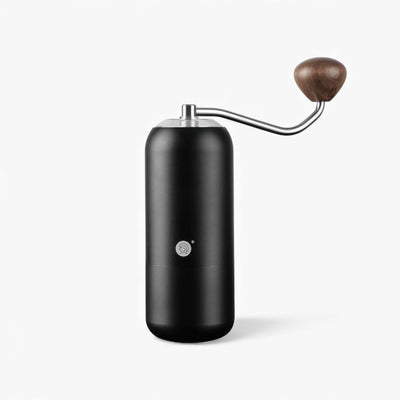
Mini Rui Compact Travel Coffee Grinder for Espresso
$116.90 $181.00
Start grinding fresh at home with this palm-sized electric grinder. Perfect entry point for anyone transitioning from pre-ground to whole bean coffee without breaking the bank.
Explore ProductThe Mini Rui Compact Travel Coffee Grinder for Espresso represents an excellent entry point for anyone transitioning from pre-ground to whole bean coffee. Its compact footprint doesn't demand counter space, and the electric operation eliminates the manual effort that deters many beginners. This palm-sized solution proves that grinding fresh at home doesn't require breaking the bank or dedicating an entire morning to preparation.
The Investment Perspective: When Quality Justifies the Cost
As your palate develops and your brewing skills advance, the limitations of entry-level equipment become apparent. The jump from "good" to "exceptional" coffee often happens at the grinder level. Precision burr grinders produce uniform particle sizes that extract evenly, eliminating the bitter and sour notes that result from inconsistent grinding.
Upgrade Your Grinding Game

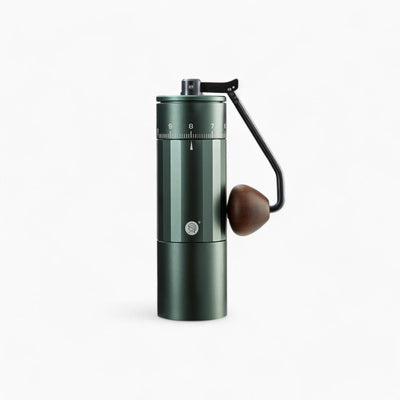
Mechanic E-Grinder Precision Conical Burr Coffee Grinder
$375.90
$650.00
Elevate your coffee game with 100-step precision grinding and near-zero retention. The serious upgrade for home baristas ready to taste the true difference fresh grinding makes. Learn more ➔

Coffee Bean Cellar Tubes With Stand for Espresso
$109.90
$200.00
Keep your whole beans perfectly fresh with airtight single-dose storage. Each tube seals out oxygen so every grind delivers peak flavor from your premium beans. Learn more ➔
The Mechanic E-Grinder Precision Conical Burr Coffee Grinder delivers 100-step precision grinding with near-zero retention, meaning every dose contains exactly what you weighed—no stale grounds from yesterday's batch contaminating today's shot. This level of consistency reveals the true character of your beans, showcasing flavor notes that pre-ground coffee simply cannot preserve.
Pairing your grinder with proper storage completes the freshness ecosystem. The Coffee Bean Cellar Tubes With Stand for Espresso creates an airtight single-dose storage system that seals out oxygen between uses. By dosing your beans immediately after purchase, you lock in freshness at its peak, ensuring every grind delivers the flavor profile the roaster intended.
The Verdict: Which Should You Actually Buy?
Choose ground coffee if you prioritize speed above all else, use only one brewing method consistently, and consume coffee quickly enough that staling isn't a concern. It's also the practical choice for office environments or travel situations where carrying a grinder isn't feasible.
Choose whole bean coffee if you value flavor complexity, use multiple brewing methods, or want to extract maximum value from premium beans. The initial investment in a grinder pays dividends through better extraction, reduced waste, and the ability to buy beans in optimal quantities without rushing through bags before they stale.
The Middle Ground: Many serious coffee lovers keep both options available—whole beans for weekend ritual brewing and quality pre-ground for weekday emergencies. This hybrid approach respects both your time constraints and your palate's desire for freshness.
For additional context on how coffee beans develop their characteristics before they ever reach your grinder, understanding the agricultural side of coffee can deepen your appreciation for preserving those flavors through proper storage and grinding.
Conclusion: Your Coffee, Your Rules
The ground coffee vs whole bean debate ultimately resolves into a personal decision based on your lifestyle, taste preferences, and brewing ambitions. Neither choice makes you a "real" or "fake" coffee lover—what matters is finding the intersection of convenience and quality that keeps you excited about your morning cup.
If you're ready to explore the world of fresh grinding, Rethink Cafe offers everything from entry-level electric grinders to precision burr systems and airtight storage solutions. Every step of your coffee journey deserves equipment that matches your commitment to quality, whether you're taking your first steps away from pre-ground or upgrading a seasoned home setup.
The perfect cup isn't about following rules—it's about having the right tools to express your taste preferences consistently. And when you control the grind, you control the outcome.
Frequently Asked Questions About Ground Coffee vs Whole Bean
Ground coffee can taste excellent when fresh, but it cannot match whole bean coffee for longevity and flavor complexity. Pre-ground coffee begins losing volatile aromatics within 30 minutes of grinding, while whole beans preserve these compounds until you're ready to brew. If you consume coffee quickly (within 1-2 weeks) and use only one brewing method, high-quality ground coffee can satisfy. However, for maximum flavor extraction and versatility, whole beans paired with a quality grinder deliver superior results.
Ground coffee maintains optimal freshness for 1-2 weeks after opening when stored properly in an airtight container away from light and heat. While it remains safe to drink for longer periods, noticeable flavor degradation begins immediately after grinding due to oxidation. Vacuum-sealed unopened bags can last 3-6 months, but once exposed to air, the increased surface area accelerates staling significantly compared to whole beans, which stay fresh for 3-4 weeks after opening.
If you value flavor freshness and brewing versatility, investing in a coffee grinder is one of the most impactful upgrades you can make. A grinder pays for itself through extended bean freshness (whole beans last twice as long as ground) and the ability to adjust grind size for different brewing methods. Entry-level electric grinders like the Mini Rui Compact Travel Coffee Grinder offer affordable starting points, while precision burr grinders elevate extraction quality for serious enthusiasts.
Yes, grinding your own coffee makes a significant taste difference. Freshly ground coffee preserves volatile aromatic compounds that dissipate within 30 minutes of grinding. You'll notice brighter acidity, more distinct flavor notes, and a fuller body in freshly ground coffee compared to pre-ground alternatives. Additionally, controlling grind size allows you to optimize extraction for your specific brewing method, eliminating the over-extracted bitterness or under-extracted sourness that results from mismatched grind sizes.
Both ground coffee and whole beans require airtight storage in opaque containers kept at room temperature away from direct sunlight, heat sources, and moisture. Avoid refrigeration, which introduces condensation and odor absorption. Ground coffee benefits from smaller storage batches to minimize air exposure each time you open the container. For whole beans, consider single-dose storage solutions like the Coffee Bean Cellar Tubes, which portion beans into airtight chambers, preserving freshness by limiting oxygen contact to only what you'll use immediately.


