For millions of Americans, the day doesn't truly begin until that first aromatic cup of coffee touches their lips. But as you savor your morning brew, you might wonder: is coffee good for you? It's a question that has sparked countless debates among health professionals, researchers, and coffee enthusiasts alike. The good news is that modern science has thoroughly examined this beloved beverage, and the results may surprise you.
Whether you're a dedicated home barista perfecting your espresso technique or simply someone who enjoys a quality cup to start the day, understanding the science behind your coffee can help you make informed choices about your daily ritual. In this comprehensive guide, we'll explore what peer-reviewed research says about coffee health benefits, examine potential coffee risks, and provide practical guidance on how much coffee daily consumption is optimal for your wellness goals.
What Does Science Say About Coffee and Health?
The relationship between coffee and human health has been studied extensively for decades. What began as cautious skepticism has evolved into a robust body of evidence supporting moderate coffee consumption as part of a healthy lifestyle. Major health organizations, including the World Health Organization and the American Heart Association, have revised their positions on coffee as new research has emerged.
Modern nutritional science recognizes that coffee is far more than just caffeine. A single cup contains hundreds of bioactive compounds, including antioxidants like chlorogenic acid, polyphenols, and diterpenes. These compounds contribute to coffee's complex effects on human physiology, many of which are beneficial when consumed in moderation.
The Science-Backed Health Benefits of Coffee
When asking is coffee good for you, the evidence increasingly points toward numerous positive health outcomes associated with regular, moderate consumption. Let's examine the key areas where research has demonstrated significant benefits.
Heart Health and Longevity
Contrary to old myths about coffee damaging the heart, contemporary research suggests quite the opposite. Multiple large-scale studies have found that moderate coffee drinkers have a lower risk of heart disease compared to non-drinkers. A landmark study published in the New England Journal of Medicine found that coffee consumption was associated with reduced risk of death from all causes, including cardiovascular disease.
The antioxidants in coffee appear to reduce inflammation and improve blood vessel function. Additionally, regular coffee consumption has been linked to lower risks of stroke and heart failure. These protective effects seem most pronounced in people consuming 3-5 cups daily.
Cognitive Function and Mental Health
One of coffee's most celebrated effects is its ability to enhance mental alertness and cognitive performance. Caffeine blocks adenosine receptors in the brain, reducing fatigue and improving reaction time, memory, and overall cognitive function. This explains why so many people rely on coffee for productivity and focus.
Beyond the immediate stimulant effects, long-term coffee consumption may protect against neurodegenerative diseases. Research suggests that regular coffee drinkers have a significantly reduced risk of developing Alzheimer's disease and Parkinson's disease. Some studies indicate up to a 60% lower risk of Parkinson's among consistent coffee consumers.
Metabolic Benefits
Coffee's impact on metabolism has been extensively studied, with promising results for those concerned about metabolic health. Regular coffee consumption is associated with a reduced risk of type 2 diabetes. The chlorogenic acid in coffee appears to improve insulin sensitivity and glucose metabolism.
Additionally, caffeine has been shown to boost metabolic rate by 3-11%, potentially supporting weight management efforts when combined with a healthy diet and exercise. Some research also suggests coffee may reduce the risk of liver diseases, including cirrhosis and liver cancer.

Understanding the Risks and Considerations
While the health benefits are substantial, a balanced examination of is coffee good for you must also address potential risks and individual considerations. Coffee affects everyone differently, and certain populations should approach consumption with caution.
Caffeine Sensitivity and Sleep Disruption
The most common negative effect of coffee relates to its caffeine content. Some individuals are genetically predisposed to metabolize caffeine slowly, meaning it stays in their system longer and can cause jitters, anxiety, and sleep disturbances even with moderate consumption.
Sleep quality is particularly important to consider. Caffeine has a half-life of approximately 5-6 hours, meaning that an afternoon cup could still be affecting your sleep quality at bedtime. Poor sleep undermines many of the health benefits coffee might otherwise provide, so timing your consumption appropriately is essential.
When to Limit Consumption
Certain groups should limit or avoid coffee:
- Pregnant women are advised to keep caffeine intake below 200mg daily (approximately 1-2 cups)
- People with uncontrolled high blood pressure or certain heart arrhythmias should consult their physician
- Individuals with anxiety disorders may find caffeine exacerbates symptoms
- Those with gastroesophageal reflux disease (GERD) may experience worsened symptoms
It's also worth noting that how you take your coffee matters. Adding excessive sugar, flavored syrups, or high-calorie creamers can transform a healthy beverage into a source of empty calories and potential metabolic problems.
How Much Coffee Is Actually Healthy?
The question of how much coffee daily is optimal doesn't have a one-size-fits-all answer, but research provides helpful guidelines. Most health authorities consider 3-4 cups per day (providing up to 400mg of caffeine) to be safe for healthy adults and associated with maximum health benefits.
Importantly, this refers to 8-ounce cups of brewed coffee, not the 16-20 ounce servings common at coffee shops. A single large coffee shop beverage might contain the equivalent of 2-3 standard cups. Being mindful of portion sizes helps ensure you're staying within beneficial consumption ranges.
The video above provides additional insights into how coffee consumption can positively impact your health, featuring perspectives from medical researchers and nutrition scientists.
Maximizing the Health Benefits: Freshness and Quality Matter
Not all coffee is created equal when it comes to health benefits and flavor. The quality of your beans and how you store them significantly impact both the taste and the retention of beneficial compounds. Freshly roasted coffee contains higher levels of antioxidants and volatile aromatic compounds that degrade over time.
Once coffee beans are exposed to oxygen, they begin to stale rapidly. Oxidation degrades the oils and aromatic compounds responsible for both flavor and some of coffee's health-promoting properties. This is why proper storage is crucial for anyone serious about their daily coffee consumption.

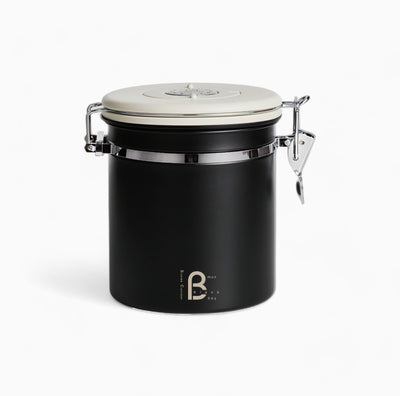
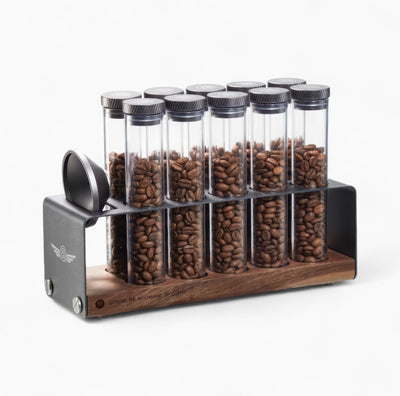
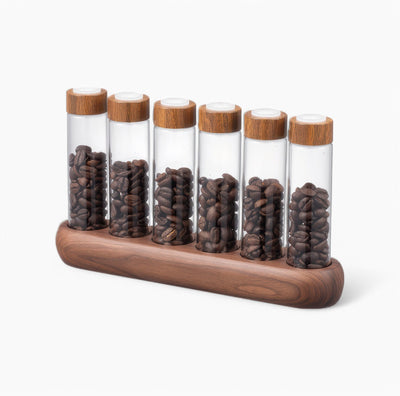
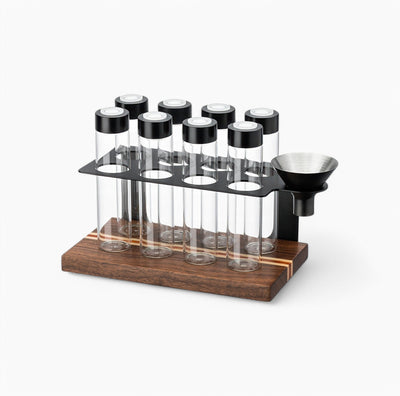
Investing in quality storage solutions helps preserve the integrity of your beans. The Coffee Bean Storage Tube Set with One-Way Valves addresses this challenge elegantly, allowing you to portion your beans into single-dose containers that protect against oxidation while letting naturally occurring CO2 escape through specialized degassing valves.

Coffee Bean Storage Tube Set with One-Way Valves
$41.90 $70.00
Keep your coffee beans fresher longer with elegant single-dose storage tubes featuring one-way degassing valves for peak flavor preservation.
Explore ProductBrewing Methods and Their Impact on Health
The way you brew your coffee can influence its health profile. Different extraction methods affect the concentration of beneficial compounds as well as substances like cafestol, which can raise cholesterol levels in high amounts.
Paper-filtered brewing methods (drip coffee, pour over) trap most cafestol while allowing beneficial compounds to pass through. French press and Turkish coffee, which don't use paper filters, retain more cafestol. Espresso falls somewhere in between. For most people, this difference is minimal, but those monitoring cholesterol levels might prefer filtered methods.
Beyond health considerations, brewing method profoundly affects your sensory experience. True coffee enthusiasts understand that appreciating the full complexity of a quality bean requires the right equipment and technique. This is where investing in proper tools transforms your daily ritual from mundane to extraordinary.

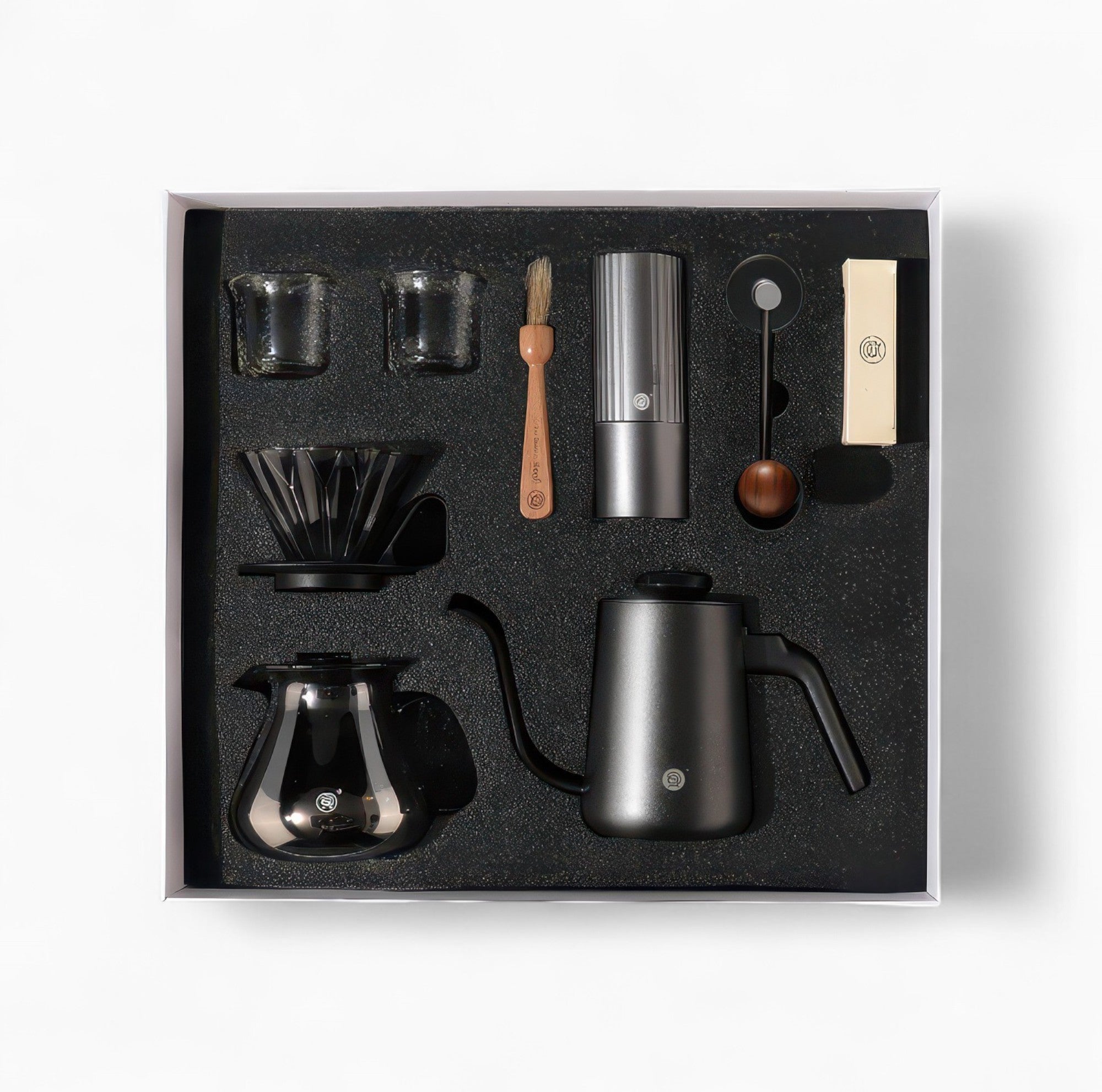
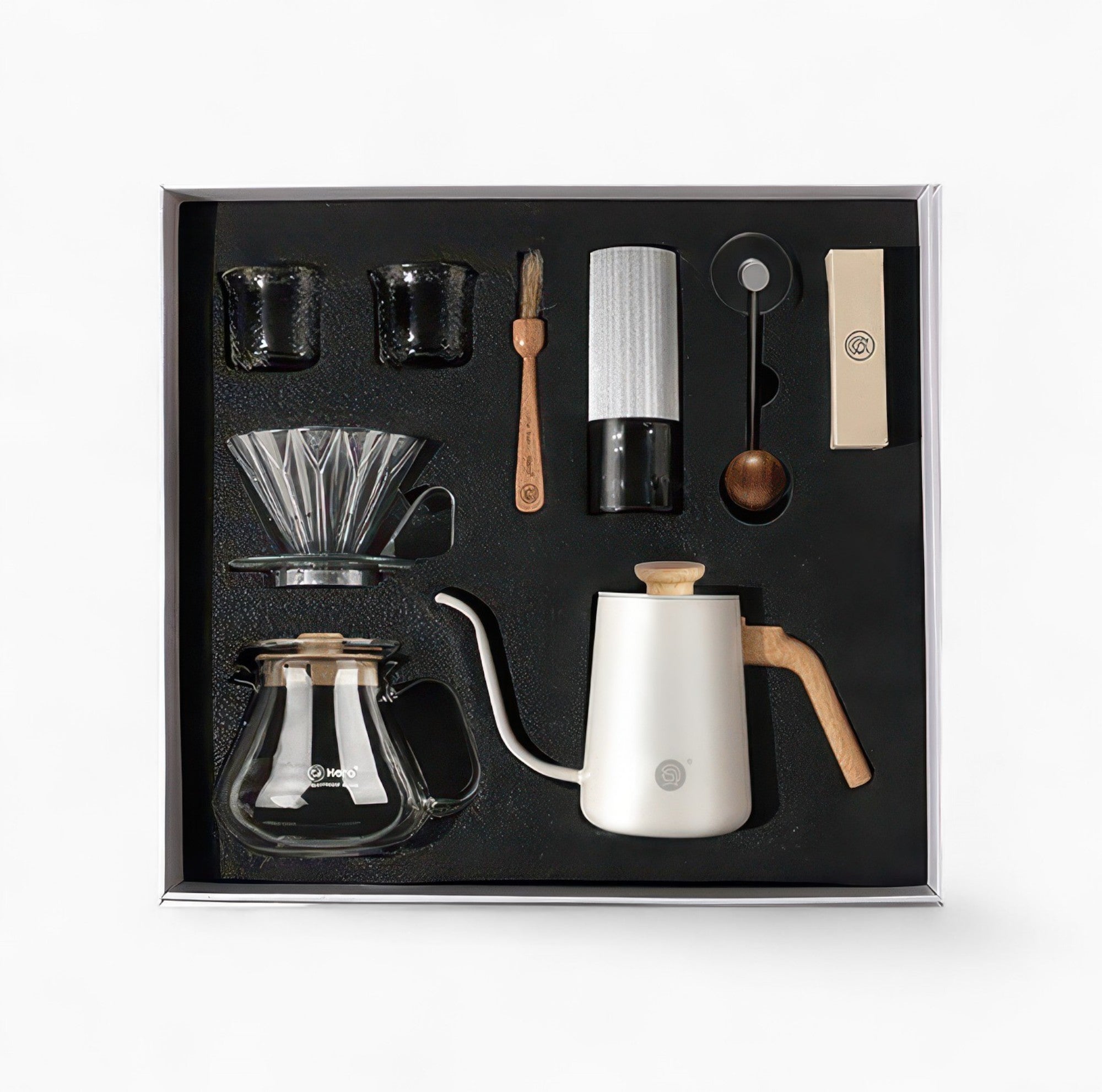
The Ceramic Coffee Aroma Tasting Cup for Cupping represents the pinnacle of sensory appreciation, designed specifically to concentrate and deliver the complex aromatics that make specialty coffee special. For those seeking complete control over their brewing process, the Complete Pour Over Coffee Kit with Grinder and Kettle provides everything needed to extract the perfect cup.
Elevate Your Coffee Experience

Ceramic Coffee Aroma Tasting Cup for Cupping
$29.90
$50.00
Experience every subtle note of your coffee with this premium kaolin tasting cup designed for enhanced aroma delivery and flavor clarity. Learn more ➔

Complete Pour Over Coffee Kit with Grinder and Kettle
$235.90
$360.00
Achieve cafe-quality extractions at home with this all-in-one pour over kit featuring precision grinder and temperature-controlled kettle. Learn more ➔
Which Type of Coffee Is Healthiest?
When considering which type of coffee is healthiest, several factors come into play. From a health perspective, black coffee without added sugars or artificial ingredients provides the most benefits with the fewest drawbacks. The simpler your coffee, the more you maximize its natural advantages.
Among roast levels, both light and dark roasts offer health benefits, though in slightly different profiles. Light roasts retain more chlorogenic acid, a potent antioxidant. Dark roasts contain higher levels of N-methylpyridinium, which may support stomach health and reduce acid production. The difference is modest, so choose based on your taste preferences.
Organic coffee may offer advantages by reducing exposure to pesticide residues, though the health impact of conventional coffee residues is generally considered minimal. Single-origin specialty coffees often provide more traceability and transparency about growing practices.
Learn more about coffee bean origins and varieties in our comprehensive guide on coffee's health effects from the National Institutes of Health.
Conclusion: Making Coffee Work for Your Health
So, is coffee good for you? The overwhelming body of scientific evidence suggests that for most people, moderate coffee consumption is not only safe but actively beneficial. From protecting your heart and brain to supporting metabolic health, your daily coffee ritual contributes more to your wellness than you might have imagined.
The key lies in mindful consumption: paying attention to quantity, timing, preparation methods, and quality. By choosing fresh, properly stored beans and brewing with care, you maximize both the health benefits and the pure enjoyment of every cup.
At Rethink Cafe, we believe that exceptional coffee experiences start with exceptional tools. Whether you're seeking to preserve the freshness of your favorite beans, explore the nuanced flavors of specialty coffee, or master the art of pour over brewing, our carefully curated selection of equipment supports your journey toward coffee excellence. After all, when something is this good for you, shouldn't you make it as good as it can possibly be?
Frequently Asked Questions About Coffee and Health
For most healthy adults, 3-4 cups of coffee per day (providing up to 400mg of caffeine) is considered safe and associated with optimal health benefits. This amount has been linked to reduced risks of heart disease, type 2 diabetes, and certain neurodegenerative conditions. However, individual tolerance varies based on genetics, body weight, and sensitivity to caffeine. Pregnant women should limit intake to 200mg daily, and those with certain health conditions should consult their healthcare provider.
The main health benefits of drinking coffee include improved heart health and reduced mortality risk, enhanced cognitive function and protection against Alzheimer's and Parkinson's diseases, better metabolic health including reduced type 2 diabetes risk, and liver protection. Coffee is also rich in antioxidants, which combat inflammation and oxidative stress. Regular moderate consumption has been associated with lower risks of stroke, heart failure, and certain cancers in numerous large-scale studies.
While coffee offers many benefits, potential negative effects include sleep disruption when consumed late in the day, increased anxiety in sensitive individuals, temporary blood pressure elevation, and digestive issues for those with GERD or sensitive stomachs. Unfiltered coffee (French press, Turkish) contains cafestol which may raise cholesterol. Adding excessive sugar, syrups, or high-calorie creamers can negate health benefits. Individual genetic differences in caffeine metabolism affect how people experience these effects.
Yes, daily coffee consumption is generally considered healthy for most adults when kept to moderate levels (3-4 cups). In fact, research suggests that regular daily drinkers may experience greater cumulative health benefits than occasional consumers. Daily consumption has been associated with reduced risks of all-cause mortality, cardiovascular disease, and neurodegenerative conditions. The key is consistency in moderation and avoiding excessive intake that could lead to caffeine dependence or sleep disruption.
Black coffee without added sugars or artificial ingredients is the healthiest choice. Among brewing methods, paper-filtered coffee (drip, pour over) is preferable for those monitoring cholesterol as it removes cafestol. Light roasts retain more chlorogenic acid antioxidants, while dark roasts contain more stomach-friendly compounds. Both Arabica and Robusta varieties offer benefits, with Robusta containing slightly more caffeine and antioxidants. Freshly roasted, properly stored beans will always provide more benefits than stale coffee, regardless of type.