Every coffee enthusiast eventually reaches a point of curiosity about the road less traveled. Whether you're looking to reduce your caffeine intake, explore historical brewing traditions, or simply expand your palate, chicory coffee offers a fascinating journey into one of the world's most distinctive coffee alternatives. This rich, roasted beverage has been savored for centuries, yet many home baristas are only now discovering its unique charms and remarkable versatility.
In this comprehensive guide, you'll discover exactly what chicory coffee is, how its taste compares to your morning cup, and the precise brewing techniques that unlock its full potential. Along the way, we'll show you how the right equipment from Rethink Cafe can elevate your chicory brewing experience from ordinary to extraordinary.

What is Chicory Coffee Made Of?
Chicory coffee is a beverage made from the roasted and ground root of the chicory plant (Cichorium intybus), a blue-flowered perennial herb in the dandelion family. While the plant's leaves are often used in salads, it's the taproot that holds the magic for coffee lovers. These roots are harvested, dried, roasted to a deep brown color, and then ground into a coarse powder that resembles traditional coffee grounds.
The practice of roasting chicory root developed as a clever solution during times of coffee scarcity. When brewed, the roasted chicory root produces a dark, aromatic liquid that mimics the appearance of coffee while delivering its own unique flavor profile. Today, you can find ground chicory coffee sold on its own or blended with regular coffee beans, offering varying ratios that let you customize the intensity to your preference.
The Rich History of Chicory Coffee
The story of chicory coffee begins in France during the early 19th century, where Napoleon's Continental Blockade cut off coffee imports to Europe. Resourceful French coffee lovers turned to roasted chicory root as an available substitute, and the tradition quickly took root. When French immigrants arrived in Louisiana, they brought this cherished custom with them, establishing New Orleans as the spiritual home of chicory coffee in America.
During the American Civil War, Union naval blockades created similar coffee shortages throughout the South, cementing New Orleans style coffee as a regional staple that endures to this day. Iconic New Orleans establishments like Cafe Du Monde continue to serve chicory coffee alongside beignets, preserving a cultural tradition that spans over two centuries. This heritage gives every cup of chicory coffee a connection to culinary history that few other beverages can match.
What Does Chicory Coffee Taste Like?
If you're wondering how chicory coffee tastes compared to regular coffee, prepare for a delightful surprise. While it shares coffee's dark, roasted appearance, chicory delivers a distinctly different sensory experience. The flavor profile is rich and earthy with prominent notes of nuts, chocolate, and caramel. Many drinkers detect subtle hints of woodiness and a mild bitterness that differs from coffee's sharper, more acidic bite.
The texture of properly brewed chicory coffee tends to be thicker and more substantial than regular coffee, with a velvety mouthfeel that some compare to hot cocoa. Unlike coffee's often bright and fruity acidity, chicory presents a mellow, grounding character that many find easier on the stomach. When served with milk—particularly the steamed milk traditional in New Orleans preparations—the result is a creamy, indulgent beverage that stands proudly on its own merits.
Is Chicory Coffee Good for You?
Beyond its delightful taste, chicory coffee offers several potential chicory coffee benefits that make it an attractive choice for health-conscious drinkers. Most notably, chicory root is naturally caffeine-free, making it an ideal option for those looking to reduce stimulant intake while still enjoying a warm, comforting morning ritual. This makes it perfect for afternoon enjoyment without disrupting sleep patterns.
The chicory root is also a significant source of inulin, a type of prebiotic fiber that supports digestive health and may help regulate blood sugar levels. Some studies suggest that inulin can promote the growth of beneficial gut bacteria, contributing to overall digestive wellness. Additionally, chicory contains compounds with potential anti-inflammatory properties and antioxidants that help combat oxidative stress in the body.
Quick Note: While chicory coffee offers these potential benefits, those with allergies to ragweed, marigolds, or daisies should exercise caution, as chicory belongs to the same plant family.
How to Brew Chicory Coffee: A Complete Guide
Brewing chicory coffee requires slightly different techniques than regular coffee to achieve optimal extraction and flavor. The ground chicory root is finer and denser than coffee grounds, which means it can easily become over-extracted and bitter if not handled properly. The pour over method stands out as the ideal brewing technique, offering precise control over water temperature and extraction time.
The Perfect Pour Over Method for Chicory Coffee
Start with a coarse grind of chicory—slightly coarser than you would use for drip coffee. Use a ratio of approximately 1 to 2 tablespoons of ground chicory per 6 ounces of water, adjusting to taste. Heat your water to 200°F (93°C), just off boiling, to ensure proper extraction without scorching the delicate roasted compounds.

Place your filter in the dripper, rinse it with hot water to eliminate paper taste, and add your ground chicory. Begin with a 30-second bloom phase, pouring just enough water to saturate the grounds and allowing them to release trapped gases. Then continue pouring in slow, controlled circles, maintaining an even saturation. The total brew time should range between 3 to 4 minutes. A slower pour yields a richer, more intense cup, while a faster pour creates a lighter, more nuanced beverage.
Many home baristas struggle with achieving the perfect extraction when they first start brewing chicory coffee. The key challenges include maintaining precise water temperature, controlling pour speed for even saturation, and preventing the fine chicory grounds from over-extracting. These pain points can transform an otherwise promising brewing session into a disappointing, bitter experience.
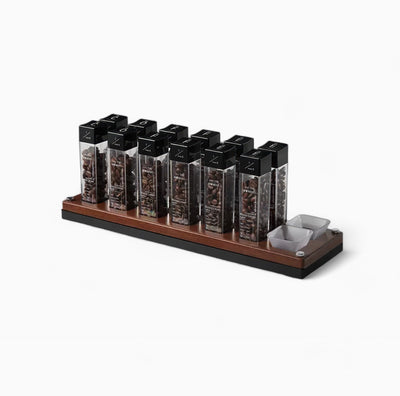
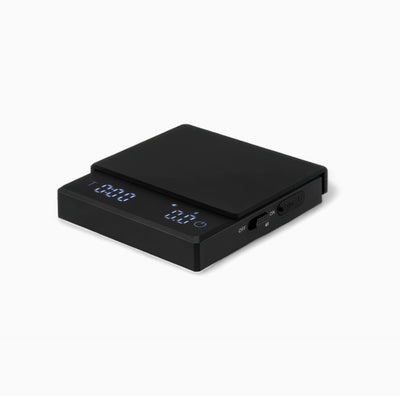
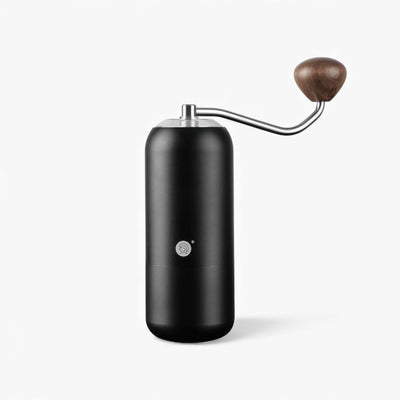
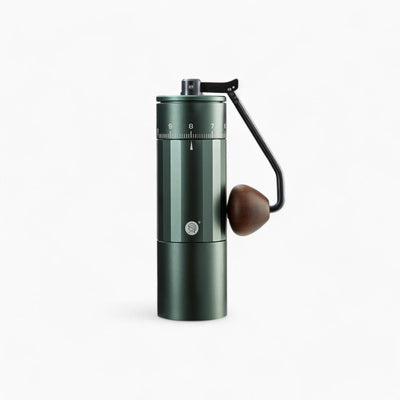
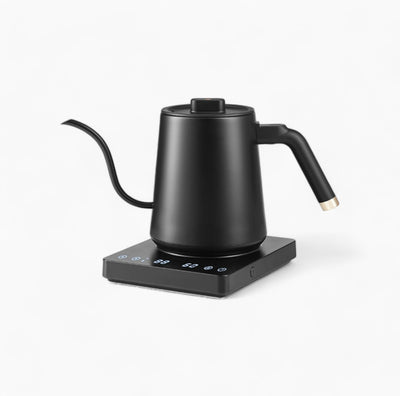
This is where investing in quality brewing equipment makes all the difference. The Gooseneck Electric Kettle with Temperature Control solves the temperature precision challenge with its six preset temperature settings and real-time digital display. The gooseneck spout provides the pour control essential for proper bloom and extraction, allowing you to pour with the accuracy that chicory coffee demands.

Gooseneck Electric Kettle with Temperature Control
$138.90 $255.00
Achieve precise water temperature for brewing chicory coffee with this electric gooseneck kettle featuring six preset temperatures and real-time digital display.
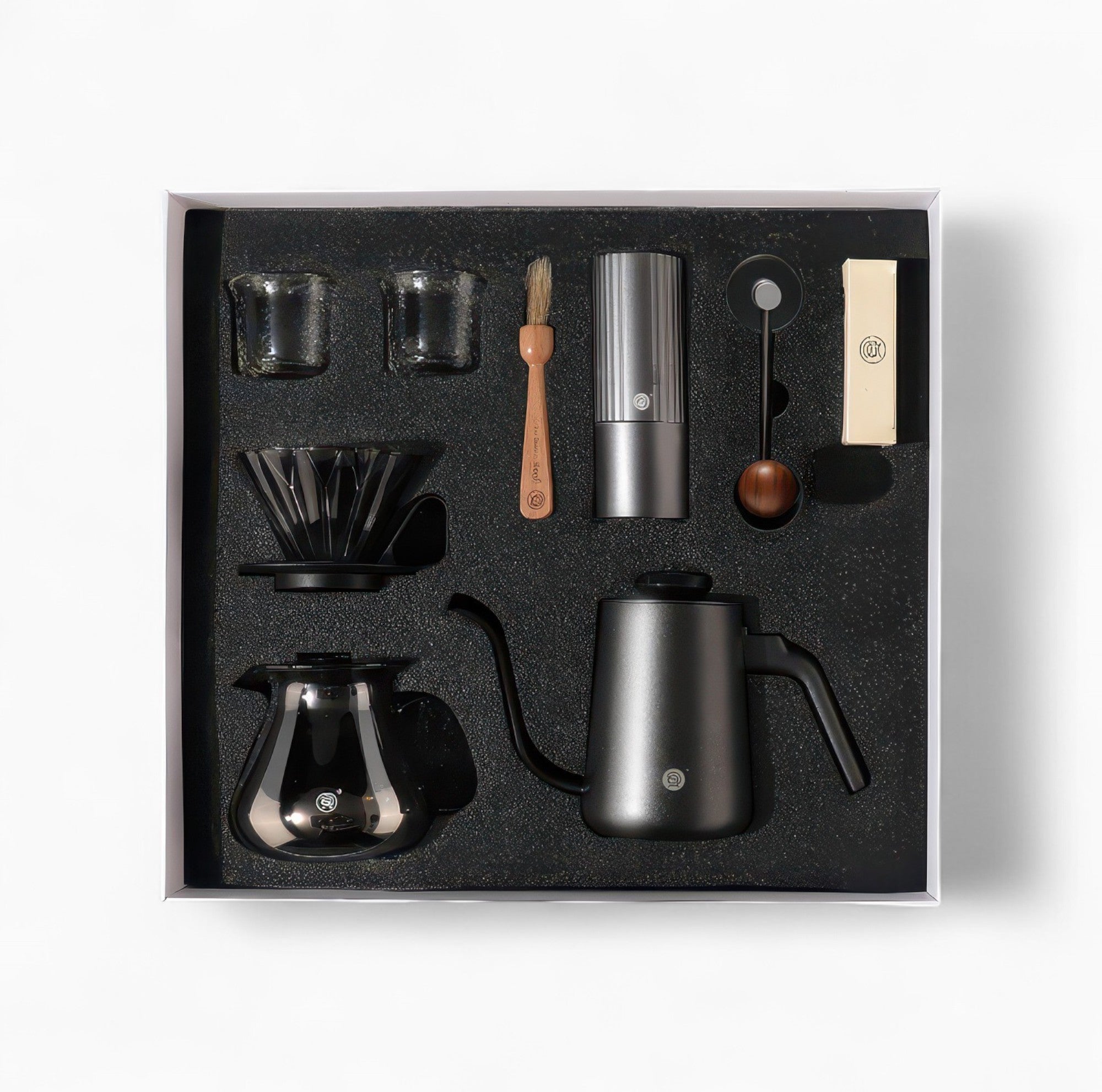
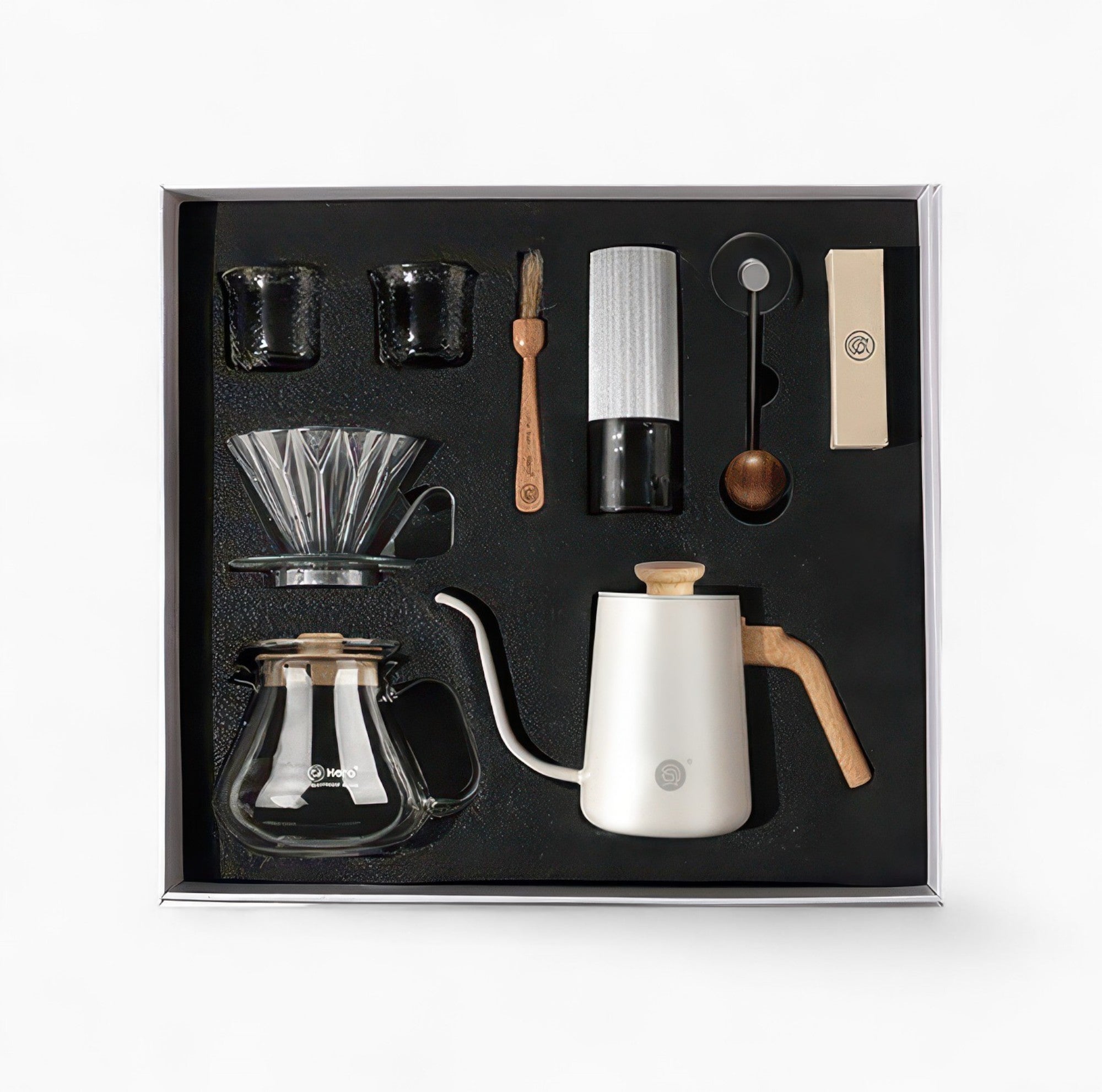
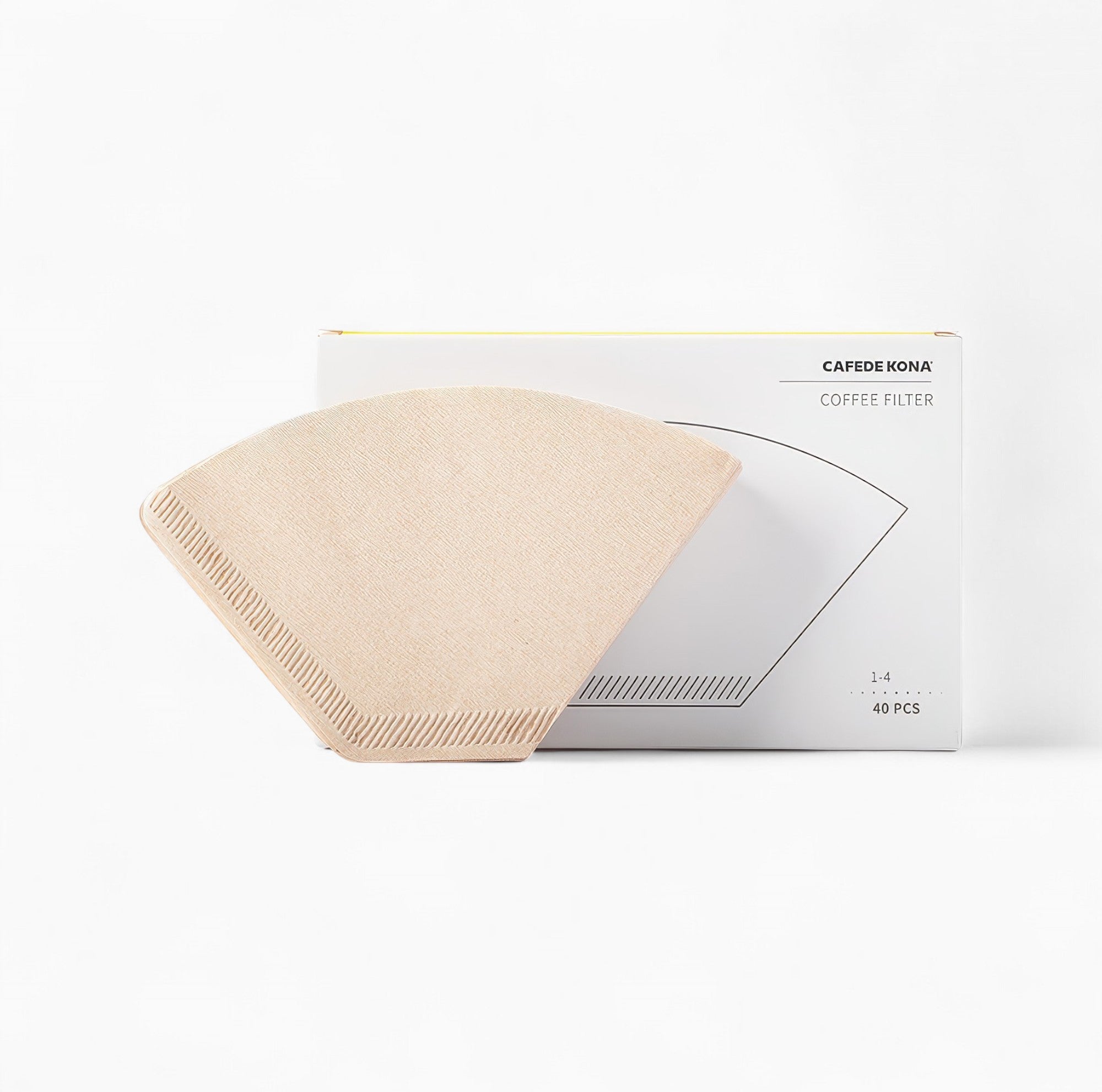
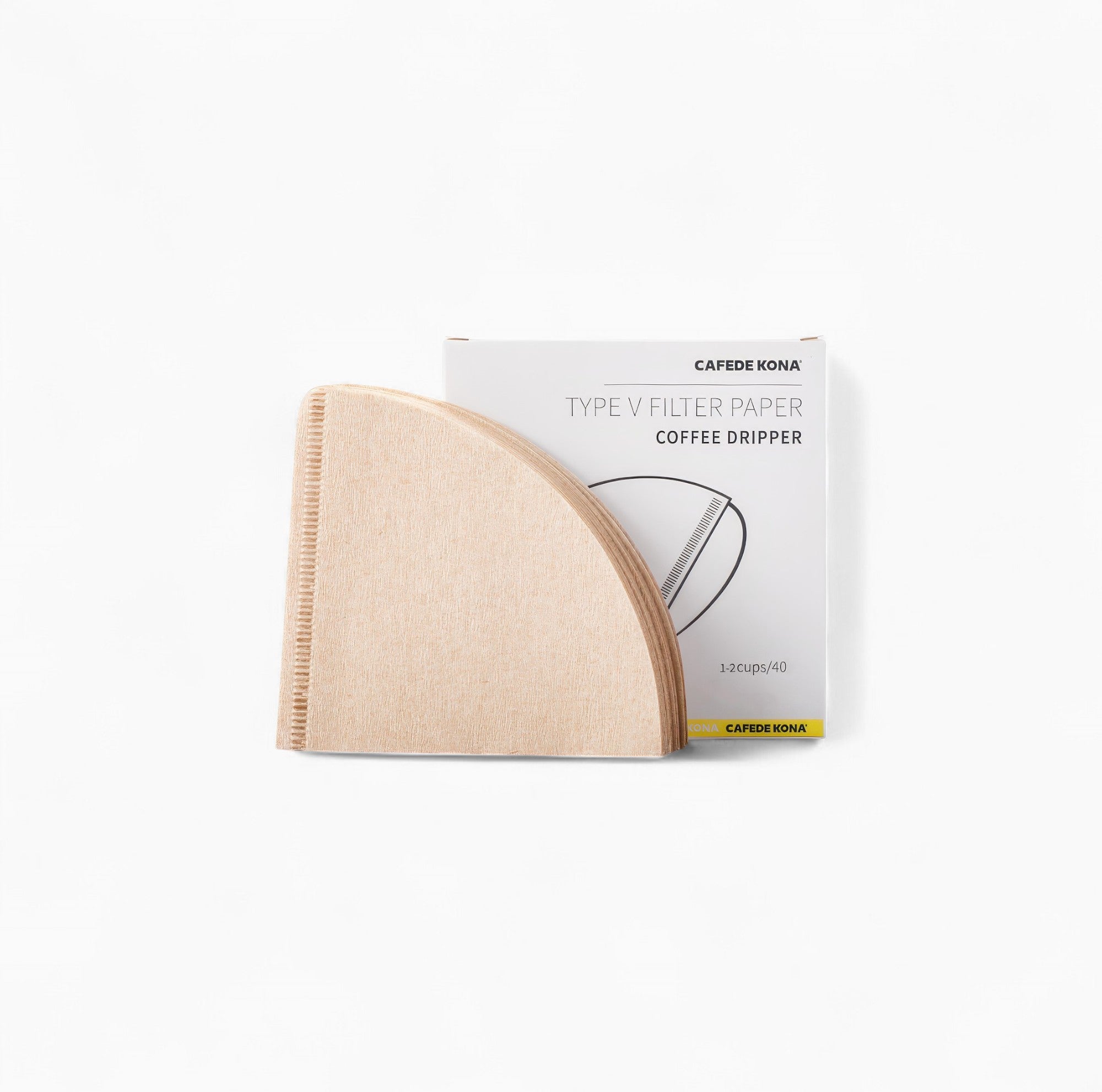
Explore ProductFor those just beginning their chicory coffee journey, a complete brewing setup eliminates the guesswork and ensures you have everything needed for cafe-quality results. The Complete Pour Over Coffee Kit with Grinder and Kettle includes a temperature control kettle, precision hand grinder, and premium glassware—all calibrated to work together for optimal extraction. Pair this with V60 Pour Over Coffee Filter Papers to ensure clean, flavorful brewing without unwanted paper tastes interfering with your chicory's natural profile.
Complete Your Chicory Coffee Setup

Complete Pour Over Coffee Kit with Grinder and Kettle
$235.90
$360.00
Start brewing chicory coffee like a pro with this complete pour over coffee kit featuring temperature control kettle, hand grinder, and premium glassware. Learn more ➔

V60 Pour Over Coffee Filter Papers Chemical-Free
$12.90
$22.00
Brew clean and flavorful chicory coffee with these natural wood pulp filter papers designed for optimal extraction without unwanted flavors. Learn more ➔

Other brewing methods can also produce excellent results with chicory coffee. A French press works well for those who prefer a fuller-bodied cup, though you should reduce the steeping time to 3 minutes maximum to avoid bitterness. The Moka pot creates an intense, espresso-like chicory concentrate that's traditional in many Mediterranean preparations. Cold brewing chicory coffee overnight in the refrigerator yields a smooth, low-acid concentrate perfect for iced beverages.
Conclusion: Embracing the Chicory Coffee Tradition
Chicory coffee represents more than just a caffeine-free alternative—it's a connection to centuries of culinary tradition, a vehicle for exploring new flavor territories, and a testament to human ingenuity in the face of scarcity. From its French origins to its enduring presence in New Orleans cafes, this remarkable beverage has earned its place in the pantheon of great coffee alternatives.
By understanding what chicory coffee is made of, appreciating its unique taste profile, and mastering proper brewing techniques, you open yourself to a world of rich, earthy flavors that complement any coffee enthusiast's repertoire. The key lies in respecting the ingredient's distinct characteristics and equipping yourself with tools that enable precision and consistency.
At Rethink Cafe, we believe that exploring coffee alternatives should never mean compromising on quality or experience. Our curated selection of pour over equipment, from precision temperature kettles to premium filter papers, ensures you have everything needed to brew exceptional chicory coffee in your own kitchen. Whether you're reducing caffeine, expanding your palate, or simply curious about this historical beverage, we're here to support your journey with equipment that honors the craft.
Ready to brew your first cup? Explore our complete collection of brewing equipment and start your chicory coffee adventure today.
Frequently Asked Questions About Chicory Coffee
Frequently Asked Questions about Chicory Coffee
Chicory coffee is made from the roasted and ground root of the chicory plant (Cichorium intybus), a perennial herb in the dandelion family. The roots are harvested, dried, roasted to a deep brown color, and ground into a powder that can be brewed alone or blended with regular coffee beans.
Chicory coffee offers several potential health benefits. It is naturally caffeine-free, making it ideal for those reducing stimulant intake. It contains inulin, a prebiotic fiber that supports digestive health and may help regulate blood sugar. Chicory also provides antioxidants and compounds with potential anti-inflammatory properties.
Chicory coffee has a rich, earthy flavor with prominent notes of nuts, chocolate, and caramel. It lacks coffee's bright acidity, instead offering a mellow, grounding character with a thicker, more velvety mouthfeel. The bitterness is milder and different in character from coffee's sharper bite.
The pour over method is ideal for brewing chicory coffee, offering precise control over water temperature (200°F/93°C) and extraction time. Use a coarse grind, bloom for 30 seconds, and maintain a 3-4 minute total brew time. French press and Moka pot methods also work well with adjusted parameters.
Chicory coffee originated in France during the early 19th century when Napoleon's Continental Blockade cut off coffee imports. French immigrants brought the tradition to Louisiana, establishing New Orleans as the American center of chicory coffee culture. It gained further popularity in the American South during the Civil War due to Union naval blockades.