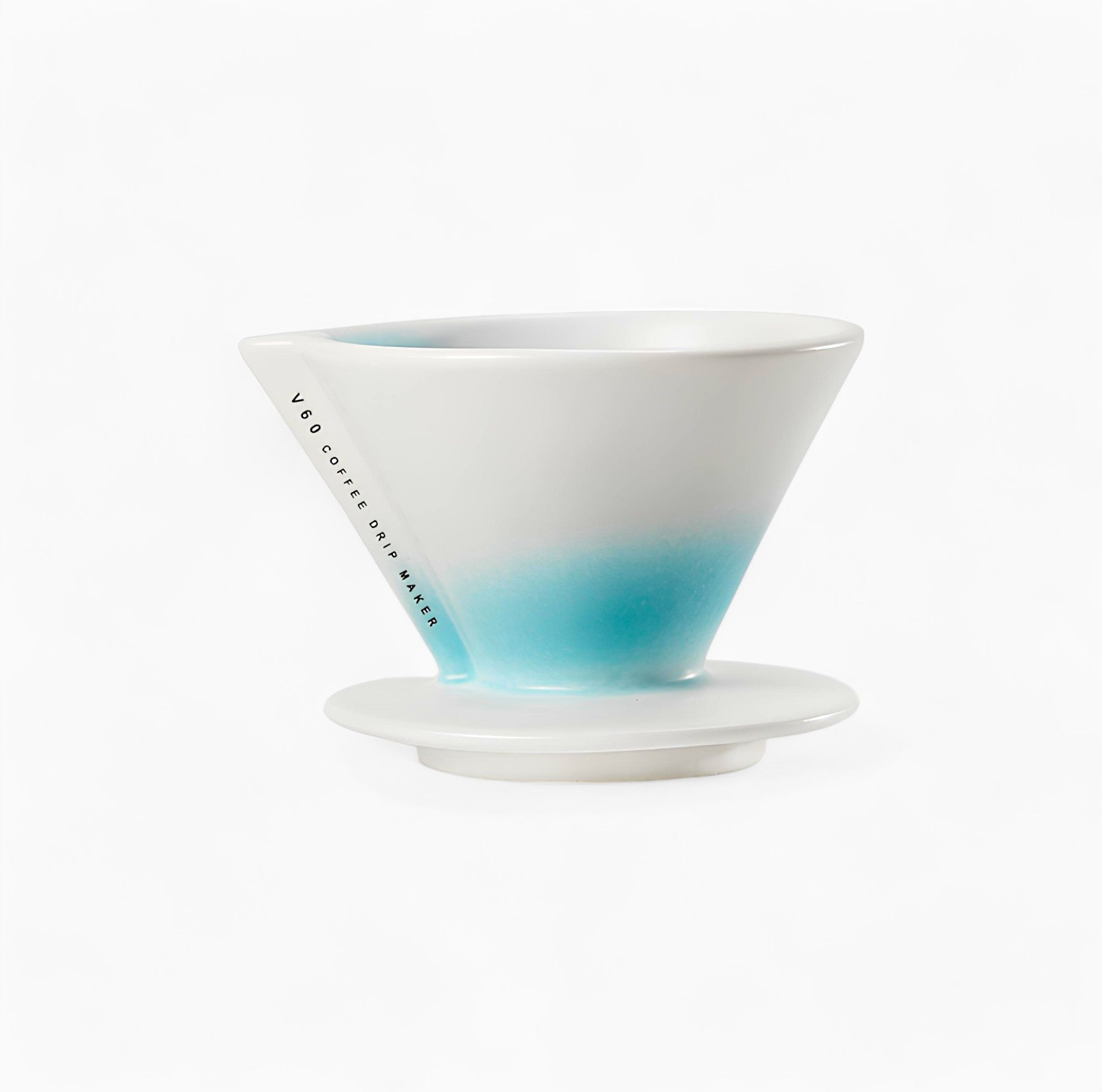
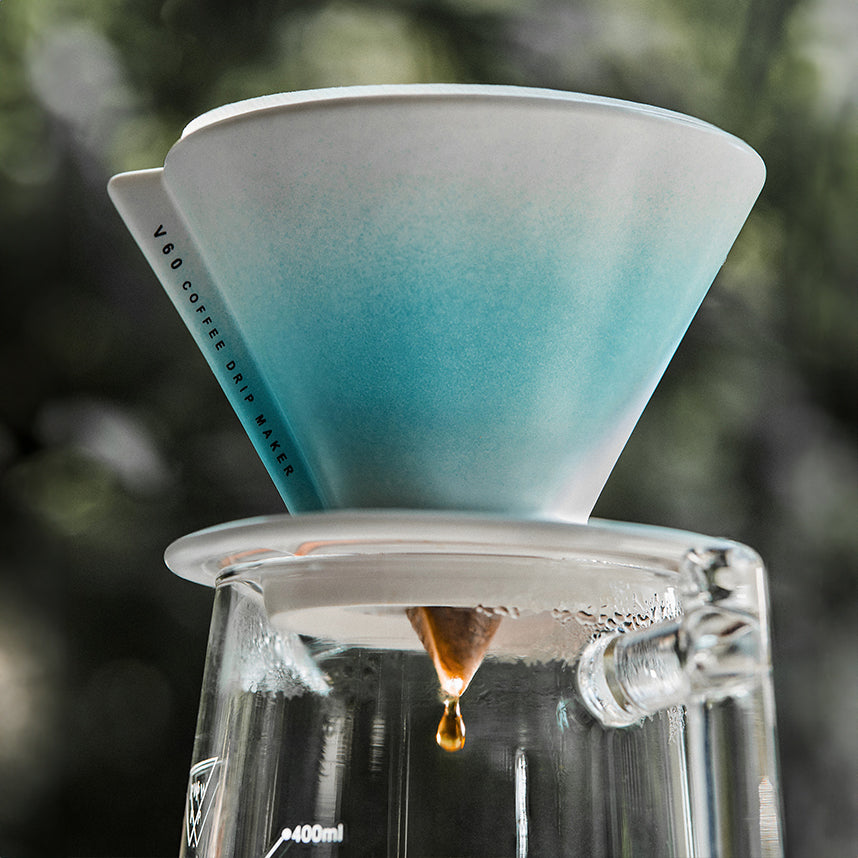
Ceramic V60 Pour Over Coffee Dripper and Server Set
$36.90 $50.00
Heat-retaining ceramic dripper with spiral rib design for optimal extraction. Available in 4 colors with matching glass server. The essential foundation for your pour over ritual.
Explore ProductIf you have ever watched a skilled barista craft coffee with deliberate, circular motions and wondered what makes that cup taste remarkably different from your morning drip, you are witnessing the pour over technique in action. This manual brewing method has transformed from a niche craft into a ritual embraced by home baristas and coffee enthusiasts across the USA who refuse to settle for mediocre mornings.
Unlike automated machines that rush the extraction process, pour over brewing invites you to become an active participant in every stage of coffee creation. Today, we will explore exactly what this method entails, why it produces cleaner and more flavorful results, and how you can master this art in your own kitchen with the right equipment.
What Is Pour Over Coffee?
At its core, pour over coffee is a manual brewing technique where hot water is poured by hand over coffee grounds resting in a filter. Gravity draws the water through the grounds, extracting oils and aromatic compounds before the brewed coffee drips into a vessel below. This seemingly simple process creates a cup that showcases the true character of your beans with remarkable clarity.
The method dates back to early 20th century Germany with the invention of the Melitta dripper, but it gained modern popularity through Japanese barista culture and the proliferation of ceramic drippers like the V60. What distinguishes pour over from other methods is the complete control you exercise over variables like water temperature, pour speed, and extraction time.

The Pour Over Method Explained
Understanding the pour over method requires examining how extraction works when you remove automation from the equation. The process relies on three critical phases: the bloom, the pour, and the draw-down.
The bloom phase is perhaps the most crucial step often overlooked by beginners. When you first introduce hot water to fresh grounds, carbon dioxide trapped from the roasting process escapes, causing the coffee bed to expand and bubble. This degassing is essential because CO2 repels water; if you skip or rush this 30-45 second phase, your extraction will be uneven and sour.
During the pour phase, the technique matters immensely. A gooseneck kettle becomes invaluable here, allowing you to pour water in slow, controlled concentric circles or spirals. This controlled agitation ensures all grounds are saturated evenly, preventing channeling where water finds the path of least resistance and under-extracts portions of the bed.

The draw-down phase completes the extraction as water filters through the coffee bed into your server or mug. The entire process typically takes 2.5 to 4 minutes, depending on your grind size and coffee dose. This extended contact time compared to espresso, combined with the paper filter's removal of oils and fine particles, creates the clean, tea-like body that defines pour over coffee.
What Makes Pour Over Coffee Special
When coffee enthusiasts ask what is special about pour-over coffee, the answer lies in the intersection of chemistry and mindfulness. The method acts as a magnifying glass for your beans, revealing nuances that darker roasts and immersion methods often obscure.
Paper filters play a significant role in this clarity. Unlike metal filters used in French presses or some espresso baskets, paper traps oils and microscopic particles that contribute to bitterness and muddled flavors. The result is a cup with pronounced acidity, distinct floral or fruity notes, and a light mouthfeel that allows you to taste the origin characteristics of single-origin beans.
Furthermore, the manual nature transforms brewing from a passive activity into a meditative ritual. The deliberate movements required to pour at consistent height and speed engage your full attention, creating a moment of craft in your daily routine. This mindful approach often leads to greater appreciation for the final cup, enhancing your overall sensory experience.
How to Make Pour Over Coffee at Home
Learning how to make pour over coffee at home requires patience and practice, but the investment yields returns in every cup. While technique develops over time, understanding the fundamentals will set you on the path to café-quality results.
Start with fresh, whole beans ground to a medium-fine consistency, similar to coarse sand. We recommend a 1:16 coffee-to-water ratio for beginners, meaning 20 grams of coffee to 320 grams of water. Heat your water to 200°F (93°C), just off boiling, and rinse your paper filter with hot water to remove papery taste while preheating your dripper.
Place your dripper on a vessel, add your grounds, and create a small divot in the center. Begin your timer and pour 40-60 grams of water for the bloom phase, ensuring all grounds are saturated. Wait 30-45 seconds until the bubbling subsides, then begin your main pour in slow spiral motions, avoiding the very edges where grounds meet paper. Maintain a steady flow until you reach your target weight.
Allow the water to draw completely through before removing the dripper. Your total brew time should finish between 2:30 and 3:30. If it drains too quickly, grind finer; if it stalls or takes too long, grind coarser. Small adjustments make significant differences in extraction.
Equipment You Need for Pour Over Coffee
The question of what equipment you need for pour over coffee has a variable answer depending on your aspirations. At minimum, you need four components: a dripper, filters, a kettle, and a way to measure your coffee and water. However, investing in precision tools separates acceptable results from exceptional ones.
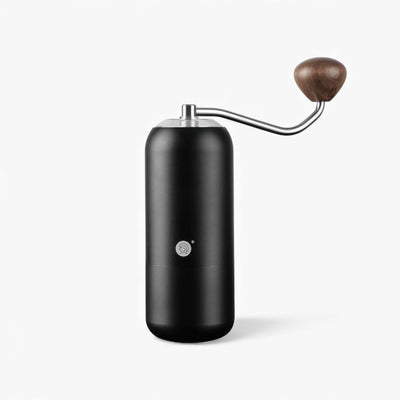
A quality grinder stands as the most critical investment after fresh beans. Inconsistent particle sizes create uneven extraction, where some grounds over-extract while others under-extract, muddying your cup's clarity. For the manual brewing enthusiast, the Mini Rui Compact Travel Coffee Grinder offers precision grinding in a portable package, ensuring uniform particle size whether brewing at home or while traveling.

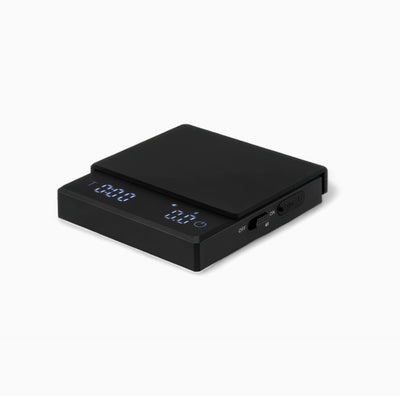
While you can approximate measurements with tablespoons, consistency demands a scale. The Precision Digital Coffee Scale with LED Brew Guide elevates your brewing with 0.1g accuracy and real-time flow rate feedback. The built-in pour-over training modes help develop proper technique, guiding your pour speed and timing for optimal extraction.
For the foundation of your brewing ritual, the dripper itself matters. Ceramic drippers offer superior heat retention compared to plastic or glass alternatives, maintaining stable brewing temperatures throughout extraction. The spiral rib design found in quality drippers promotes even water flow and prevents grounds from sticking to the filter walls.

Essential Tools for Your Pour Over Journey

Mini Rui Compact Travel Coffee Grinder for Espresso
$116.90
$181.00
Palm-sized electric grinder with 6-axis precision burr for uniform particle size. USB-C rechargeable with magnetic spill-proof lid. Fresh grounds anywhere, anytime. Learn more ➔

Precision Digital Coffee Scale with LED Brew Guide
$64.90
$143.00
0.1g accuracy with LED display showing real-time flow rate. Built-in pour-over training modes guide your technique. Available in Black, White, or Walnut Wood finish. Learn more ➔
For those ready to commit to the pour over lifestyle, the Ceramic V60 Pour Over Coffee Dripper and Server Set provides everything needed to begin your ritual. The heat-retaining ceramic dripper with spiral rib design ensures optimal extraction, while the matching glass server completes your presentation. This set represents the intersection of form and function that defines specialty coffee culture.
Conclusion
Understanding what is pour over coffee extends beyond technique into philosophy. This method asks you to slow down, engage your senses, and treat coffee brewing as a craft worth mastering. The reward is a cup that reveals layers of flavor hidden by automated machines, a drink that tells the story of its origin with every sip.
Whether you are just beginning your manual brewing journey or refining your technique, success depends on quality equipment that supports your goals. At Rethink Cafe, we understand that exceptional coffee requires exceptional tools. Our curated selection of drippers, grinders, and precision scales eliminates the guesswork from your morning ritual, allowing you to focus on the art of the pour.
The path to café-quality coffee at home is not complicated, but it is deliberate. Choose your beans carefully, grind them fresh, and approach the pour with intention. Your perfect cup awaits.
Frequently Asked Questions about Pour Over Coffee
A pour over is a manual coffee brewing method where hot water is poured by hand over coffee grounds contained in a filter. Gravity pulls the water through the grounds, extracting flavor compounds before the brewed coffee drips into a carafe or mug below. This technique offers complete control over brewing variables like water temperature, pour speed, and extraction time, resulting in a clean, flavorful cup that highlights the unique characteristics of your coffee beans.
The pour over method consists of three key phases: the bloom, the pour, and the draw-down. First, you add a small amount of hot water to the grounds to allow degassing (the bloom). Then, you pour the remaining water in controlled circular motions to extract flavor evenly. Finally, gravity draws the water through the coffee bed into your serving vessel. The entire process typically takes 2.5 to 4 minutes and requires attention to grind size, water temperature around 200°F, and precise measurements for optimal results.
Pour-over coffee is special because it creates a remarkably clean, nuanced cup that showcases the delicate flavors of high-quality beans. The paper filter removes oils and fine particles that can create bitterness, while the manual pouring technique allows for precise control over extraction. This method highlights acidity, floral notes, and origin characteristics often masked by other brewing methods. Additionally, the ritualistic nature of pour over transforms brewing into a mindful, craft-oriented experience.
To make pour over coffee at home, start with freshly ground medium-fine coffee (20g) and water heated to 200°F (320g for a 1:16 ratio). Place a rinsed filter in your dripper, add grounds, and pour 40-60g of water to bloom for 30-45 seconds. Then pour the remaining water in slow, spiral motions, avoiding the filter edges. The total brew time should be 2:30-3:30 minutes. Adjust your grind size if the coffee drains too quickly (tastes weak) or too slowly (tastes bitter).
Essential pour over equipment includes: a dripper (ceramic retains heat best), paper filters, a gooseneck kettle for controlled pouring, a coffee grinder (burr grinders provide consistent results), and a scale for precise measurements. Optional but recommended items include a glass server, a timer, and a thermometer. High-quality versions of these tools, such as ceramic V60 drippers, precision scales with flow rate displays, and compact burr grinders, significantly improve your consistency and results.