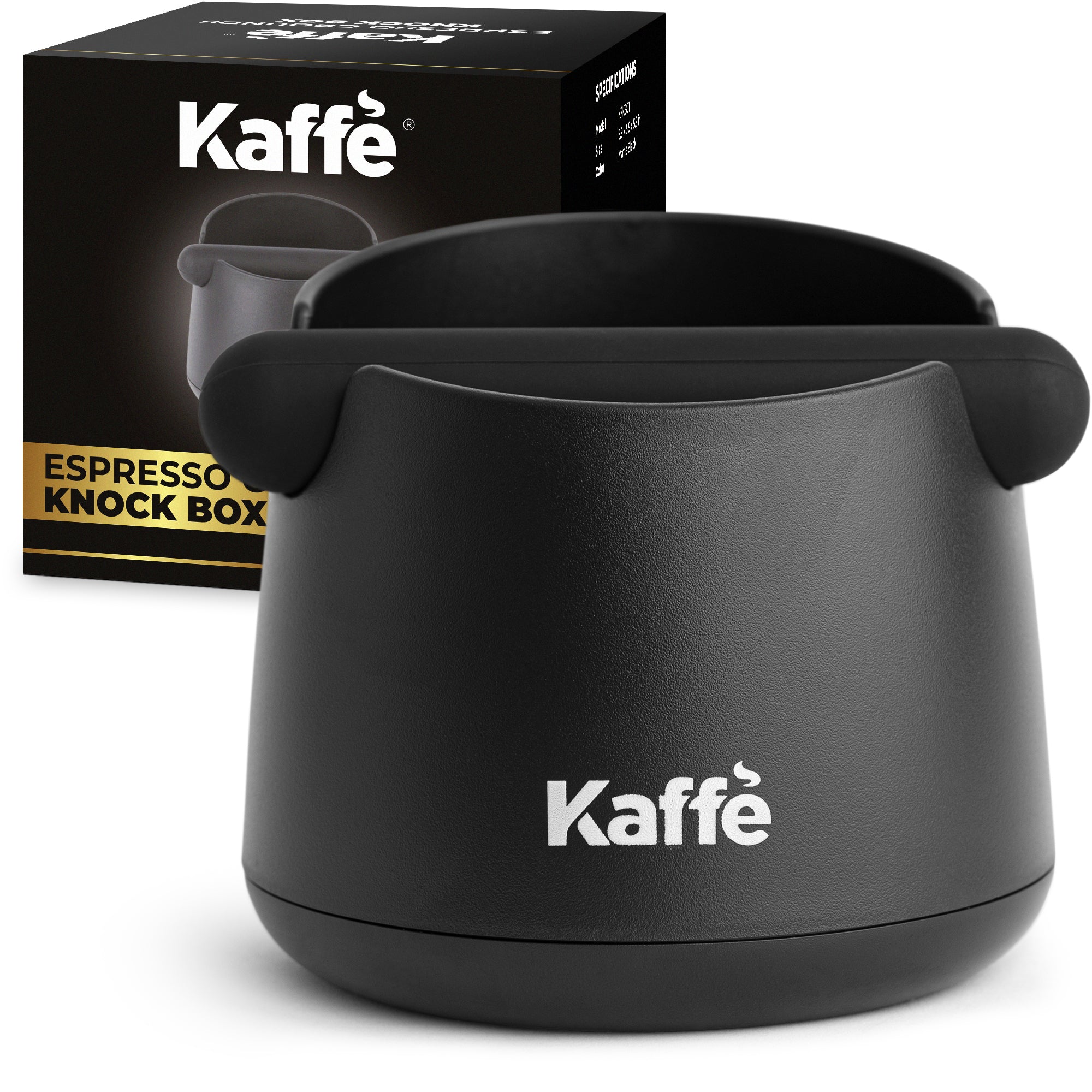
Every home barista knows the familiar morning ritual: pulling a perfect shot of espresso only to face the inevitable cleanup. That soggy puck of coffee grounds needs somewhere to go, and banging it against your sink or trash can quickly becomes a noisy, messy headache. Enter the knock box stainless steel solution—a dedicated tool designed to streamline your espresso workflow while adding a professional touch to your coffee station.
In this comprehensive guide, we’ll explore why stainless steel knock boxes have become the gold standard for home espresso enthusiasts. Whether you're upgrading from a plastic alternative or building your dream setup from scratch, understanding what makes these durable tools worth the investment will transform how you approach your daily coffee routine. Plus, we'll show you exactly which features separate premium options from budget disappointments—ensuring you make a choice that lasts for years.

What Is a Knock Box and Why Do You Need One?
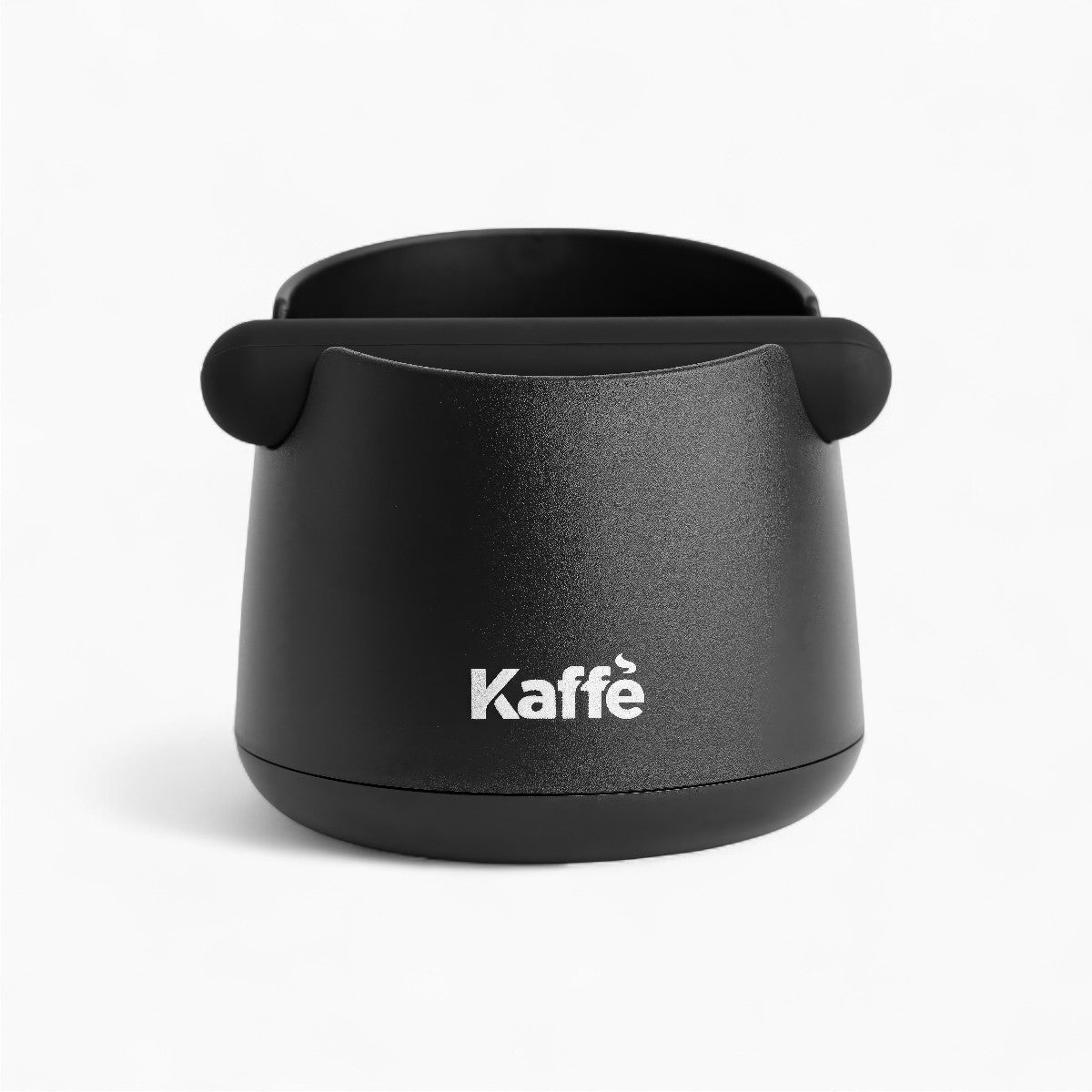
A knock box is a specialized container designed specifically for disposing of used espresso pucks. After extracting your shot, the portafilter basket contains a compressed disc of wet coffee grounds that needs to be removed before your next pull. Rather than trekking to the trash can or risking damage to your sink by knocking the portafilter against hard surfaces, a knock box provides a dedicated, purpose-built station for this essential step.
The device typically features a sturdy bar—often wrapped in rubber or silicone—that you strike the portafilter against, dislodging the puck with a satisfying knock. The box itself collects the spent grounds, keeping your workspace tidy and your workflow efficient. For home baristas pulling multiple shots each morning, this tool isn't just a convenience; it's a necessity that protects your equipment and speeds up your routine.

Why Stainless Steel Knock Boxes Outperform Plastic Alternatives
When shopping for your first coffee knock box or upgrading an existing one, material choice significantly impacts longevity and performance. While plastic models offer budget-friendly entry points, stainless steel espresso knock boxes deliver superior durability, stability, and ease of maintenance that serious home baristas demand.
Stainless steel construction withstands the daily impact of metal portafilters striking the knock bar without cracking, warping, or absorbing odors. Unlike plastic versions that can degrade over time from heat exposure and repeated impacts, metal knock boxes maintain their structural integrity indefinitely. The added weight of steel also provides crucial stability—preventing the container from sliding across your counter or tipping when you knock out a stubborn puck.
Furthermore, stainless steel's non-porous surface resists staining and bacterial growth, making it the most hygienic option for handling organic coffee waste. When paired with a rubber knock bar, these boxes offer remarkably quiet operation compared to the hollow, echoing sound of plastic alternatives.
Key Features That Define a Premium Stainless Steel Knock Box
Not all metal knock box options deliver the same performance. When evaluating premium models for your espresso station, prioritize these essential features:
| Feature | Why It Matters | What to Look For |
|---|---|---|
| Construction Quality | Determines longevity and stability | 18/8 or 304 food-grade stainless steel |
| Knock Bar Design | Impacts noise level and portafilter protection | Removable rubber or silicone wrapped bar |
| Capacity | Affects cleaning frequency | Minimum 8-10 pucks for home use |
| Base Stability | Prevents sliding during use | Weighted base or non-slip rubber feet |
| Easy Cleaning | Simplifies maintenance routine | Dishwasher-safe components or smooth interiors |
Capacity deserves special consideration. A durable knock box should hold at least a day's worth of pucks for your typical consumption. Home baristas making 2-4 shots daily benefit from medium-capacity boxes (holding 8-12 pucks), while households with multiple coffee drinkers or entertaining needs should consider larger commercial-grade options.

Our Top Pick for Serious Home Baristas
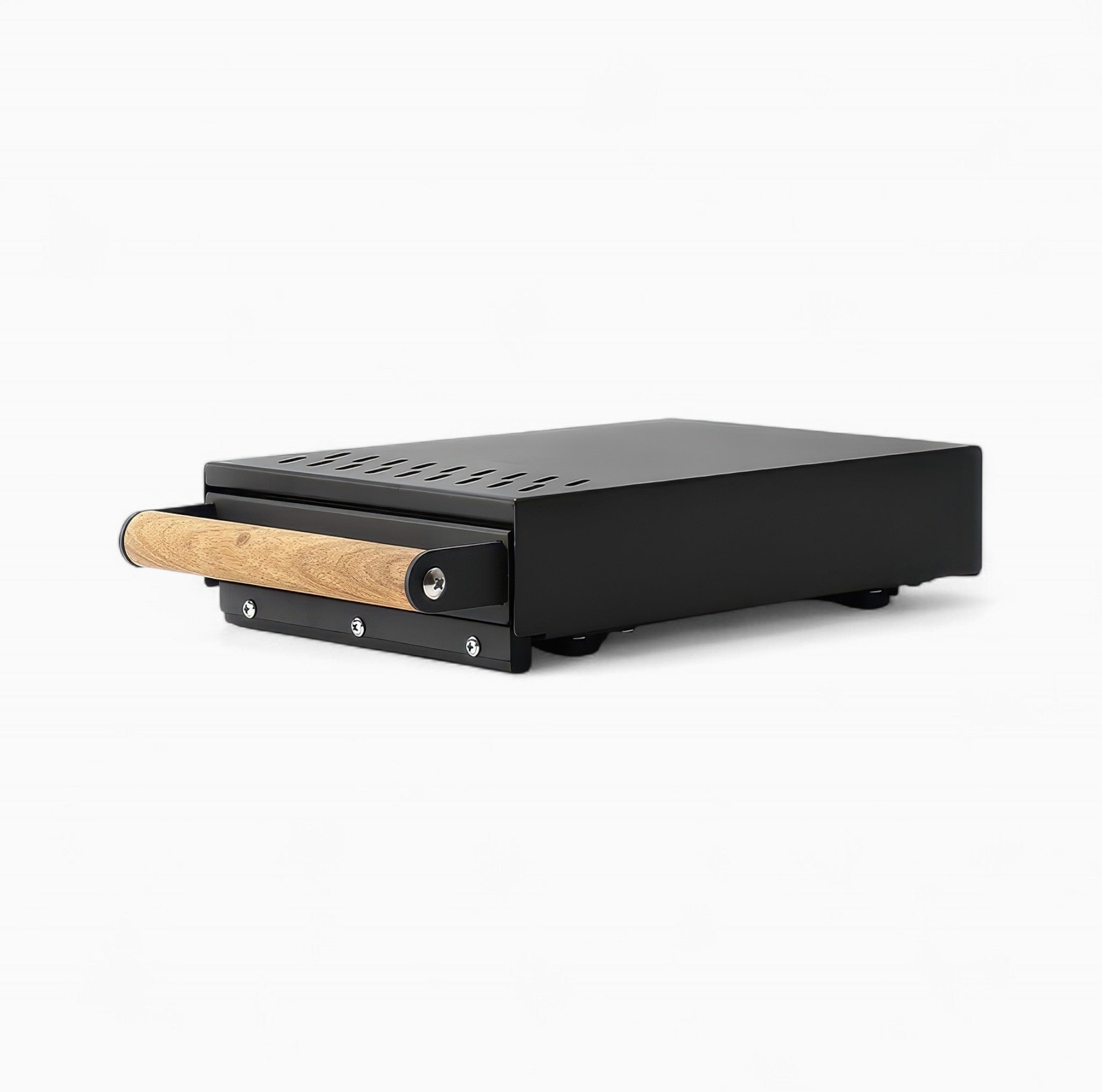
For espresso enthusiasts seeking a commercial grade knock box that integrates seamlessly into a premium setup, the drawer-style design represents the pinnacle of convenience and durability. These units sit beneath your espresso machine, utilizing otherwise wasted space while supporting the weight of your equipment.
Unlike standalone models that consume valuable counter real estate, drawer knock boxes maximize efficiency. The heavy-duty steel construction supports substantial weight—essential when housing your espresso machine above—while the rubber-dampened knock bar ensures quiet operation during early morning brewing sessions.

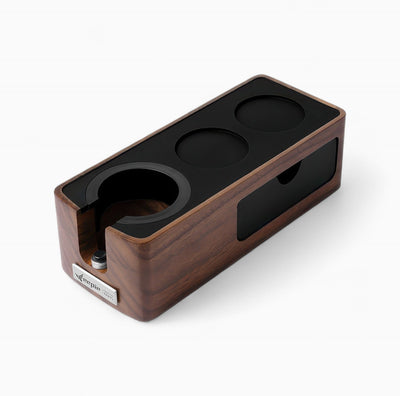
Drawer Coffee Knock Box Heavy Duty Steel Design
$79.90 $83.00
Heavy-duty steel drawer knock box sits under your espresso machine with 60kg+ load capacity and rubber-dampened knock bar for quiet operation.
Explore ProductVideo Comparison: Finding the Perfect Knock Box
Sometimes seeing products in action clarifies what specifications alone cannot. Watch this comprehensive comparison of four popular knock box options to understand how different designs perform in real-world testing:
How to Clean and Maintain Your Stainless Steel Knock Box
One of the primary advantages of choosing a stainless steel knock box is the minimal maintenance required to keep it looking and performing like new. Unlike porous materials that trap coffee oils and odors, steel surfaces clean easily with basic household supplies.
For daily maintenance, simply empty the grounds and rinse the interior with warm water. Once weekly, wash with mild dish soap and a soft sponge—avoid abrasive scrubbers that might scratch the finish. The rubber knock bar typically detaches for separate cleaning, allowing you to remove coffee residue from all surfaces.
To prevent coffee oils from building up and creating rancid odors, occasionally wipe the interior with a solution of baking soda and water. This natural deodorizer neutralizes smells without introducing harsh chemicals near your coffee equipment. Always dry thoroughly after cleaning to prevent water spots on the steel finish.
Pro Tip: Line your knock box with a compostable bag or paper towel to make emptying even easier. The grounds simply lift out, leaving the interior nearly clean without rinsing.
What Size Knock Box Do You Need for Home Use?
Selecting the appropriate capacity prevents the frustration of frequent emptying while ensuring your espresso knock box doesn't dominate limited counter space. Consider your daily shot volume and available space when making this decision.
For single users pulling 1-2 shots daily, compact models holding 6-8 pucks suffice perfectly. These smaller footprints work well in apartment kitchens or setups with minimal counter space. Couples or households consuming 4-6 shots daily benefit from medium-capacity boxes accommodating 10-15 pucks—typically requiring emptying every 2-3 days.
Enthusiasts hosting regular gatherings or those who dislike frequent maintenance should opt for larger large knock box variants holding 20+ pucks. Remember that grounds begin decomposing quickly; while larger capacity reduces emptying frequency, don't let grounds sit for more than 2-3 days to prevent mold and odors.
Alternative Configurations: All-in-One Espresso Stations
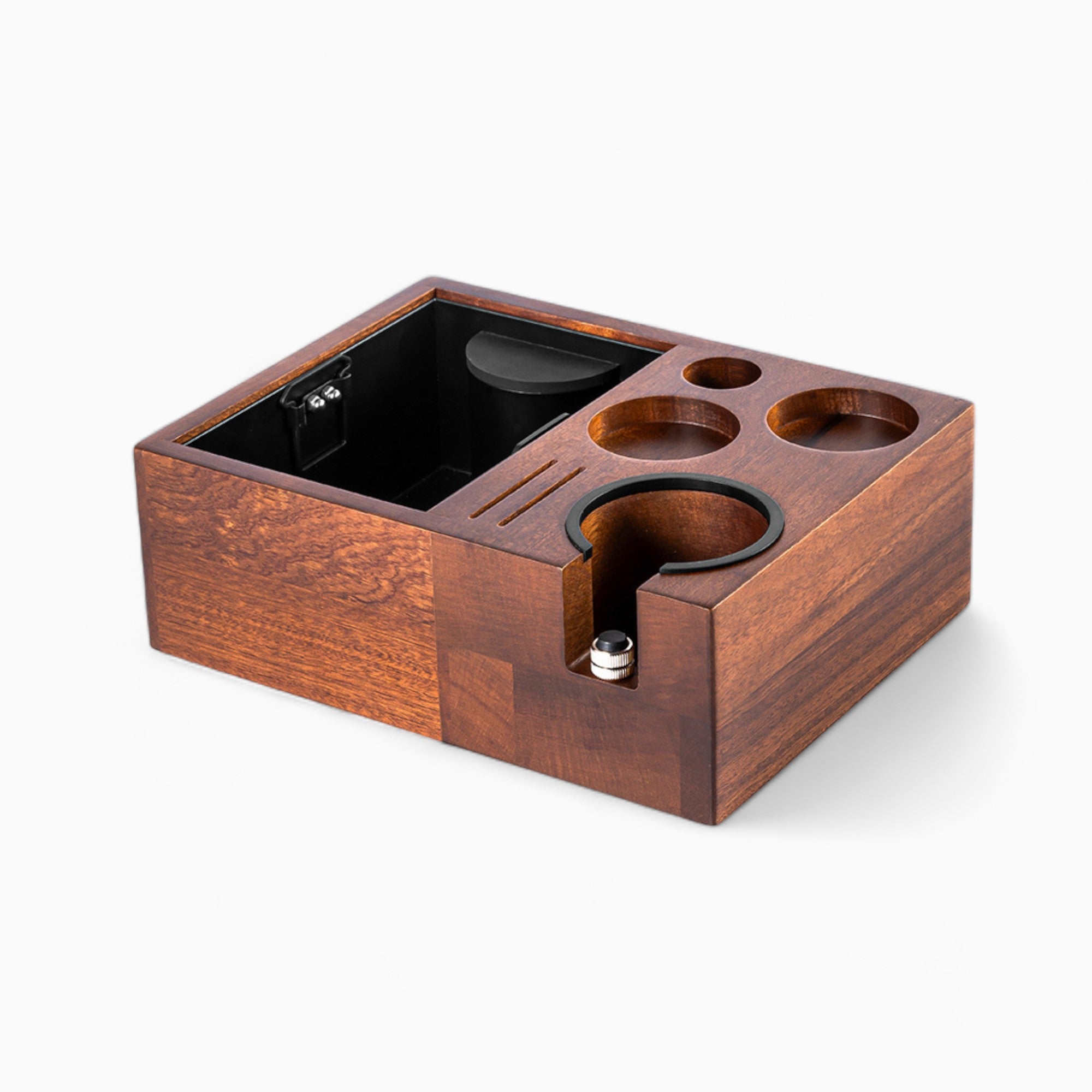
While standalone knock boxes serve many baristas well, integrated solutions streamline your workflow by combining multiple tools into cohesive stations. These configurations eliminate the need to reach for separate tampers, distributors, and disposal containers—keeping everything within arm's reach.
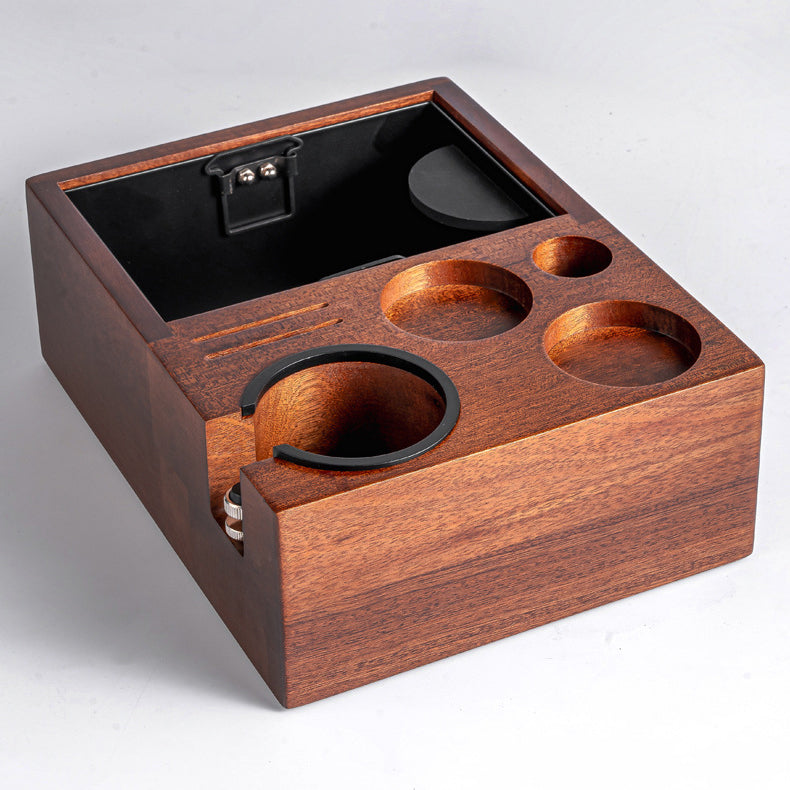
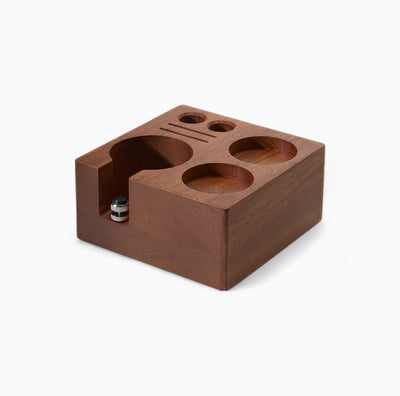
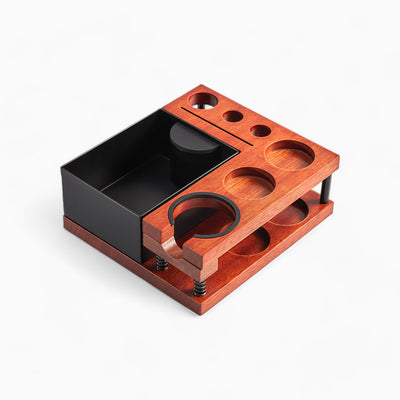
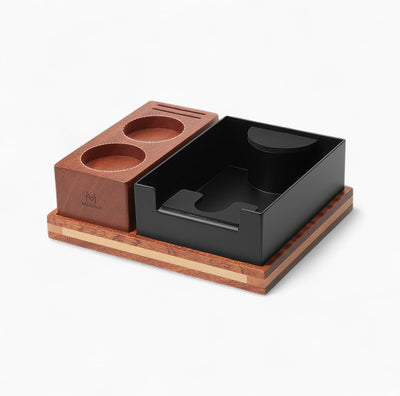
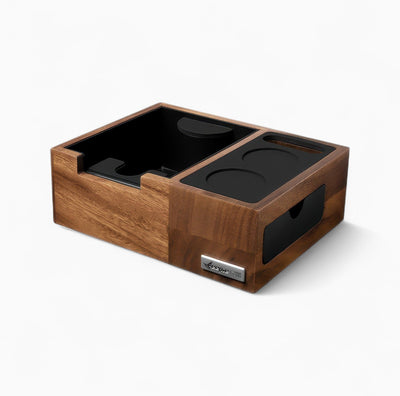
Solid wood stations with integrated knock boxes offer aesthetic warmth alongside practical functionality. The natural material complements stainless steel machines beautifully while providing dedicated storage for your tamper and other essential tools. Meanwhile, budget-conscious beginners might consider entry-level ABS plastic options that deliver quiet operation and dishwasher-safe convenience at accessible price points.
Complete Your Espresso Setup

Solid Wood Espresso Tamper Station with Knock Box
$89.90
$150.00
All-in-one solid wood station combining tamper holder and integrated knock box for a streamlined espresso workflow. Learn more ➔

Quiet ABS plastic knock box featuring removable rubber knock bar and non-slip base—dishwasher safe and budget-friendly. Learn more ➔
The Sustainable Angle: Composting Your Coffee Grounds
Beyond convenience, a quality knock box facilitates sustainable coffee practices. Those spent pucks you're collecting represent nutrient-rich organic matter perfect for composting. Unlike tossing grounds in the trash where they decompose anaerobically in landfills, composting returns valuable nitrogen to the soil.
Stainless steel's easy-clean properties make transitioning from box to compost bin seamless. The non-stick surface releases grounds completely, and the durable construction withstands outdoor trips to your compost pile or municipal green waste bin. Some enthusiasts even collect grounds in their knock box for a week before adding to garden soil or creating homemade compost—a practice made manageable by stainless steel's odor resistance.
Conclusion: Invest in Durability for Your Daily Ritual
Upgrading to a knock box stainless steel model represents a small but significant investment in your daily coffee ritual. The combination of durability, hygiene, and noise reduction these tools provide transforms espresso cleanup from a chore into a seamless part of your workflow. Unlike cheaper alternatives that crack, stain, or slide across your counter, premium steel options from Rethink Cafe deliver years of reliable service.
Whether you choose a space-saving drawer design, an elegant wood-integrated station, or a classic standalone model, prioritizing quality materials ensures your coffee station remains organized and efficient. The best stainless steel knock box isn't just a disposal container—it's an essential tool that protects your equipment, simplifies your routine, and elevates your entire espresso experience. Ready to complete your setup? Explore our curated selection of durable, easy-to-clean options designed specifically for discerning home baristas.
Frequently Asked Questions about Stainless Steel Knock Boxes
A knock box is a specialized container designed for disposing of used espresso pucks (spent coffee grounds). After pulling a shot, you knock the portafilter against the box's rubber or metal bar to dislodge the compressed puck into the container. This keeps your workspace clean, protects your sink and portafilter from damage, and streamlines your espresso workflow by providing a dedicated spot for grounds disposal between shots.
Yes, stainless steel knock boxes generally outperform plastic alternatives in durability, stability, and hygiene. Steel construction withstands daily impacts without cracking or warping, provides necessary weight to prevent sliding, and resists staining and odor absorption. While plastic knock boxes are more budget-friendly, they tend to degrade faster, slide on counters, and can develop lingering coffee smells over time.
Clean your stainless steel knock box by emptying grounds daily and rinsing with warm water. Weekly, wash with mild dish soap and a soft sponge—avoid abrasive scrubbers. Remove and clean the rubber knock bar separately. For odor control, occasionally wipe with baking soda solution. Always dry thoroughly after cleaning to prevent water spots. Most stainless steel models are also dishwasher safe for deep cleaning.
For home use, choose capacity based on your daily consumption. Single users (1-2 shots daily) need compact boxes holding 6-8 pucks. Couples or households consuming 4-6 shots daily benefit from medium capacity (10-15 pucks). Multi-person households or those who entertain should consider larger models holding 20+ pucks. Remember that grounds shouldn't sit longer than 2-3 days to prevent odors, so don't oversize unless you entertain frequently.
To empty a knock box, lift the entire unit or remove the inner container (depending on design) over your trash or compost bin. Tap gently to release all grounds. If using a liner bag, simply lift and tie it off. Rinse the box immediately if not using a liner, or wipe with a damp cloth to remove residue. Empty when the box reaches about three-quarters full to prevent overflow during subsequent use.