
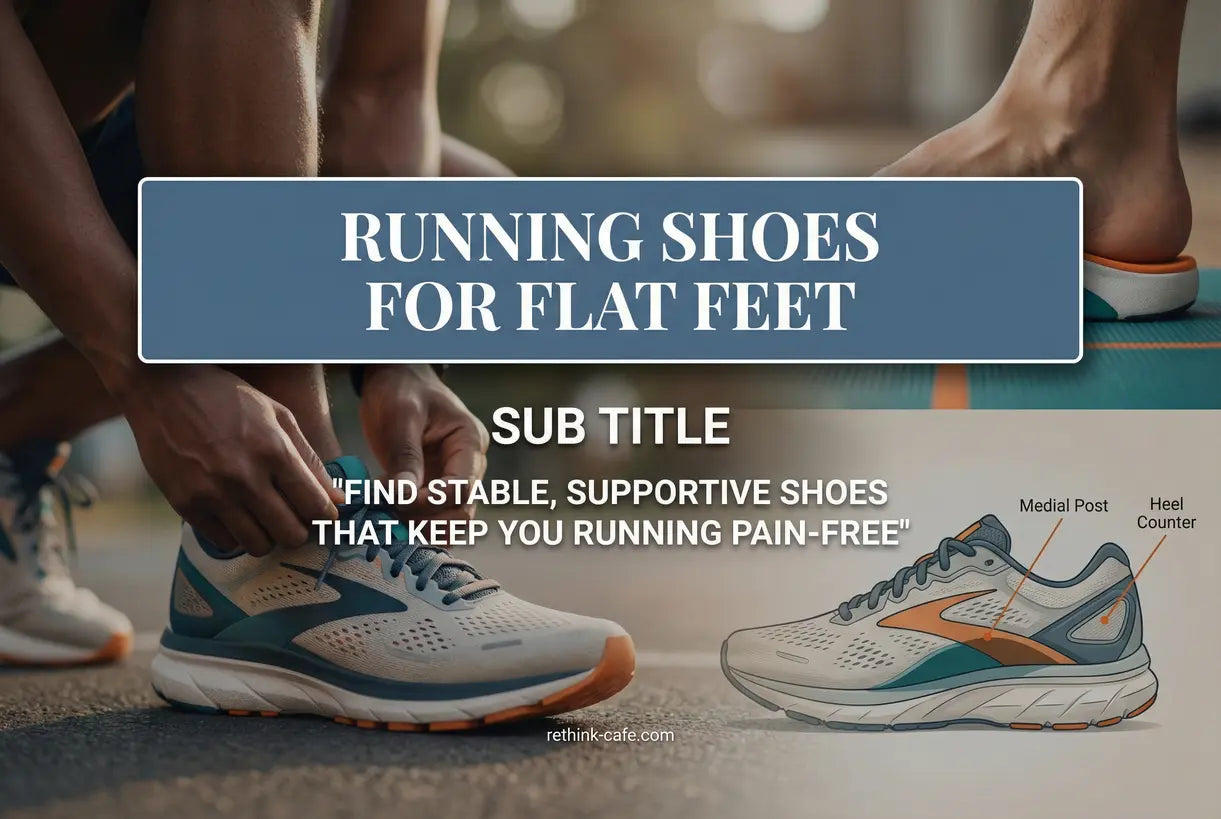
Running with flat feet presents unique challenges that standard trainers simply cannot address. Without a proper arch to absorb impact, overpronation can lead to knee pain, shin splints, and premature shoe breakdown. Finding the right running shoes for flat feet is not just about comfort—it is about preventing injury and optimizing your stride.
This guide walks you through everything you need to know about selecting footwear that supports your specific biomechanics. Whether you are a marathon veteran or just starting your couch-to-5k journey, understanding the difference between stability and motion-control technology will transform your running experience. We will explore key features, answer common questions about orthotics, and reveal top-performing models that deliver the support flat-footed runners need.
How to Identify Flat Feet and Overpronation
Before investing in new footwear, confirming whether you have flat feet or overpronation helps narrow down your options. Flat feet, or fallen arches, occur when the entire sole touches the ground because the arch collapses inward. You can perform a simple wet test at home: wet your foot, step onto cardboard, and examine the imprint. A full footprint indicates low arches, while a distinct curve between heel and ball of foot suggests normal arches.
Overpronation specifically describes the inward rolling motion that happens during your gait cycle when the arch collapses. Runners with flat feet typically overpronate, causing the ankle to roll excessively inward and transfer stress up the kinetic chain. This biomechanical issue increases strain on knees, hips, and lower back, making proper footwear selection crucial for long-term joint health.

Critical Features to Look for in Running Shoes for Flat Feet
Not all supportive footwear functions equally for flat-footed runners. The best designs incorporate specific technologies that address the unique mechanics of low arches and excessive inward rolling. Understanding these elements ensures you invest in shoes that actually correct your biomechanics rather than simply cushioning your steps.
Medial posts serve as the primary defense against overpronation. These dense foam inserts sit on the inner edge of the midsole, preventing the arch from collapsing inward upon impact. Additionally, a reinforced heel counter locks your heel in place, reducing unnecessary movement that could destabilize your stride. Look for shoes with firm yet responsive midsole materials that provide support without sacrificing energy return.

Roomy toe boxes also matter more than many runners realize. When your forefoot spreads naturally during toe-off, it creates a stable platform that counteracts the instability caused by flat arches. Avoid narrow racing flats or minimalist shoes that offer no structural support, as these can exacerbate existing pain and lead to chronic injuries like plantar fasciitis or shin splints.
Stability vs Motion Control: Matching Technology to Your Needs
The running industry categorizes flat-foot support into two main camps: stability shoes and motion-control shoes. Understanding which category fits your specific degree of overpronation prevents both under-supporting and over-correcting your gait.
Stability shoes work best for runners with mild to moderate overpronation. They feature dual-density midsoles with firmer foam strategically placed on the medial side to gently guide your foot into proper alignment without forcing an unnatural stride. These models deliver comfortable flexibility while providing the arch support necessary for flat feet.
Motion-control shoes address severe overpronation with maximum stability features. These designs incorporate rigid heel counters, straight lasts that prevent your foot from rolling, and extremely firm medial posts that essentially block inward rolling. While heavier and less flexible than stability options, they provide necessary correction for runners who experience significant pain or have completely collapsed arches.
Pro Tip: Visit a specialty running store for a gait analysis if you are unsure about your pronation severity. Video analysis reveals exactly how your foot interacts with the ground, removing guesswork from the selection process.
The Best Running Shoes for Flat Feet: Our Top Stability Pick
For runners seeking the optimal balance of correction and comfort, our first recommendation delivers exceptional performance. This model combines responsive cushioning with targeted support to address mild to moderate overpronation without sacrificing ride quality.

The StabilityRunner Pro features a medial post specifically engineered to control inward rolling during foot strike. Unlike bulky traditional stability shoes, this trainer maintains a responsive ride suitable for tempo runs and long-distance training alike. The cushioned midsole absorbs road impact while the structured upper locks your foot securely in place, making it ideal for daily training and race preparation.
Maximum Support Options: Motion Control and Daily Training
Runners requiring more aggressive correction or those who log high weekly mileage need specialized options beyond standard stability models. Whether you battle severe overpronation or simply prefer substantial support for long runs, these selections address specific needs within the flat-foot runner community.
High-support designs become necessary when stability shoes insufficiently prevent ankle rolling or when previous injuries demand maximum protection. Meanwhile, lightweight supportive options accommodate runners with mild flat feet who want flexibility without completely abandoning arch assistance.
Specialized Support for Every Severity Level
The MotionControl Elite provides maximum correction through its firm arch support system and reinforced heel counter. Designed for severe overpronators, this model essentially forces proper alignment through structural rigidity. The roomy toe box accommodates orthotic inserts if needed, making it the definitive choice for runners who have previously suffered injury due to unstable mechanics.
For those with mild flat feet prioritizing versatility, the NeutralSupport Daily Trainer offers adaptive support without overwhelming correction. The moderate arch support system activates only when necessary, allowing natural foot motion during neutral phases of your stride while stepping in during the impact phase. This lightweight option excels during long runs where heavier motion-control shoes might feel cumbersome.
.webp)
Orthotics vs Built-In Support: Do You Need Both?
Many flat-footed runners wonder whether aftermarket insoles provide better support than native shoe technologies. The answer depends on your specific arch height, running volume, and existing pain conditions. Custom orthotics offer personalized support molded to your exact foot shape, potentially providing superior correction for severe cases.
However, modern stability shoes like the StabilityRunner Pro incorporate sophisticated medial posting that rivals custom orthotics for mild to moderate cases. If you currently use over-the-counter arch supports, try high-quality stability shoes first—they often provide sufficient correction without the bulk and expense of separate inserts. Should you require both, look for shoes with removable insoles and spacious toe boxes to accommodate the additional volume.
Can Supportive Running Shoes Actually Fix Pain?
Quality footwear cannot permanently "cure" flat feet, but appropriate running shoes for flat feet absolutely eliminate the pain associated with the condition. By correcting alignment and distributing impact forces properly, stability and motion-control shoes address the root cause of discomfort rather than merely masking symptoms.
Runners typically experience reduced knee pain within two weeks of switching to proper supportive footwear. Shin splints decrease as excessive pronation stops torquing the tibia. Plantar fasciitis often resolves as the arch receives proper support throughout the gait cycle. While strengthening exercises and flexibility work remain important adjuncts, the right shoes serve as your first and most important defense against flat-foot-related running injuries.
Important: Replace stability shoes every 300-500 miles. As foam compresses and support structures fatigue, even the best shoes lose their corrective capabilities, potentially returning you to the injury cycle.
Conclusion: Run Pain-Free With the Right Support
Selecting appropriate footwear transforms flat-foot running from a painful chore into an enjoyable, sustainable activity. By understanding whether you need the gentle guidance of stability shoes or the firm correction of motion-control models, you eliminate the instability that causes overuse injuries. Remember that features like medial posts, reinforced heel counters, and structured uppers matter more than brand names or trendy colors.
At Rethink Cafe, we curate performance running footwear specifically engineered for challenging biomechanics. The StabilityRunner Pro, MotionControl Elite, and NeutralSupport Daily Trainer represent our commitment to helping every runner achieve optimal mechanics regardless of their arch height. Explore our collection today and experience the difference that purpose-built support makes for your training.
Frequently Asked Questions About Running Shoes for Flat Feet
The best running shoes for flat feet balance support with comfort, featuring medial posts to control overpronation and cushioned midsoles to absorb impact. Stability shoes like the StabilityRunner Pro work best for mild to moderate overpronation, while severe cases benefit from motion-control options like the MotionControl Elite with rigid arch support and reinforced heel counters.
Perform a wet test by stepping on cardboard with a wet foot—if you see your entire sole with no inward curve, you have flat feet. Overpronation specifically describes the inward rolling motion during running; video gait analysis at specialty running stores can confirm the severity. Flat feet typically cause overpronation, but the degree varies among runners.
While supportive shoes cannot permanently alter your arch structure, they effectively eliminate pain by correcting alignment and distributing impact forces properly. Stability shoes prevent excessive inward rolling that causes knee pain, shin splints, and plantar fasciitis. Most runners experience significant pain reduction within two weeks of switching to appropriate footwear.
Not necessarily. Modern stability shoes incorporate sophisticated medial posting and arch support systems that often provide sufficient correction without custom orthotics. Try high-quality stability footwear first, and only add orthotics if you continue experiencing pain. Choose shoes with removable insoles and roomy toe boxes if you plan to use aftermarket inserts.
Prioritize shoes with medial posts that prevent inward rolling, reinforced heel counters that stabilize your rearfoot, and firm yet cushioned midsoles. Roomy toe boxes allow natural toe splay for stability at push-off. Avoid flexible neutral shoes or minimalist designs that lack the structural support necessary for flat arches.
Stability shoes suit runners with mild to moderate overpronation, offering gentle correction without sacrificing flexibility or comfort. Motion-control shoes provide maximum support for severe overpronation with rigid structures that forcibly prevent inward rolling. Visit a specialty shop for gait analysis if you are unsure which category matches your biomechanics.