There's something almost meditative about watching water cascade through freshly ground coffee, spiraling downward in a hypnotic bloom before finally dripping into your waiting cup. A pour over coffee station transforms this simple act into a daily ritual that countless coffee enthusiasts have embraced over push-button alternatives. Unlike automated brewing methods that operate behind closed panels, manual brewing invites you to become an active participant in every step of extraction.
For home baristas ready to elevate their morning routine, building the perfect manual brew setup isn't just about accumulating equipment—it's about creating a dedicated space where precision meets pleasure. This guide walks you through everything you need to know, from understanding what makes pour over unique to selecting gear that delivers exceptional results every single time. Along the way, you'll discover how the right tools from Rethink Cafe can transform your countertop into a professional-grade brewing station that rivals your favorite specialty coffee shop.
What Makes Pour Over Coffee So Special
When comparing brewing methods, pour over coffee stands apart for three compelling reasons: control, clarity, and connection. The manual nature of this brewing style gives you complete command over every variable—water temperature, pour rate, grind size, and extraction time—allowing you to highlight specific flavor notes in your beans.
The resulting cup offers remarkable clarity of flavor that immersion methods simply cannot match. By continuously replenishing the water rather than letting it saturate and sit, pour over brewing creates a cleaner cup with distinct regional characteristics shining through. Ethiopian single-origins reveal their floral brightness while Colombian beans showcase their caramel sweetness with stunning transparency.
Perhaps most importantly, the ritual itself creates a moment of mindfulness. In our hurried world, those four to five minutes of focused brewing become a sanctuary—a pause before the day accelerates. This intentional approach to coffee preparation is why so many home barista setups now feature pour over stations as their centerpiece.
Essential Equipment for Your Pour Over Coffee Station
Building a functional pour over coffee station requires understanding which components truly matter. While the equipment list may seem modest—dripper, filters, grinder, kettle, and scale—the quality of each piece directly impacts your results. The frustration of inconsistent extractions often stems from underperforming gear rather than technique alone.
Many aspiring home brewers face the overwhelming task of sourcing individual components from different manufacturers, unsure if pieces will work together harmoniously. This uncertainty leads to wasted investment and abandoned brewing setups. The solution lies in thoughtfully curated equipment designed to function as a cohesive system.

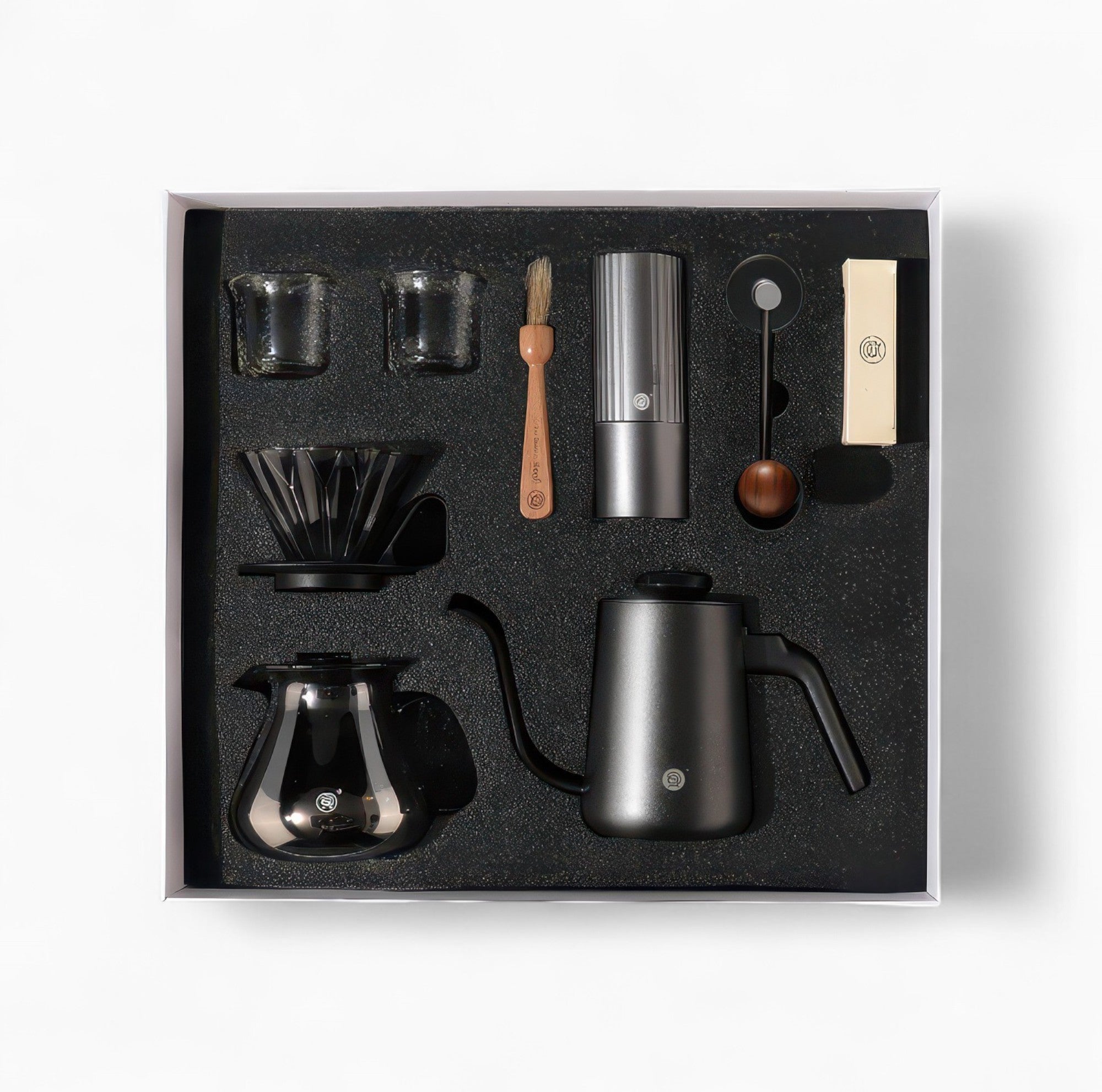
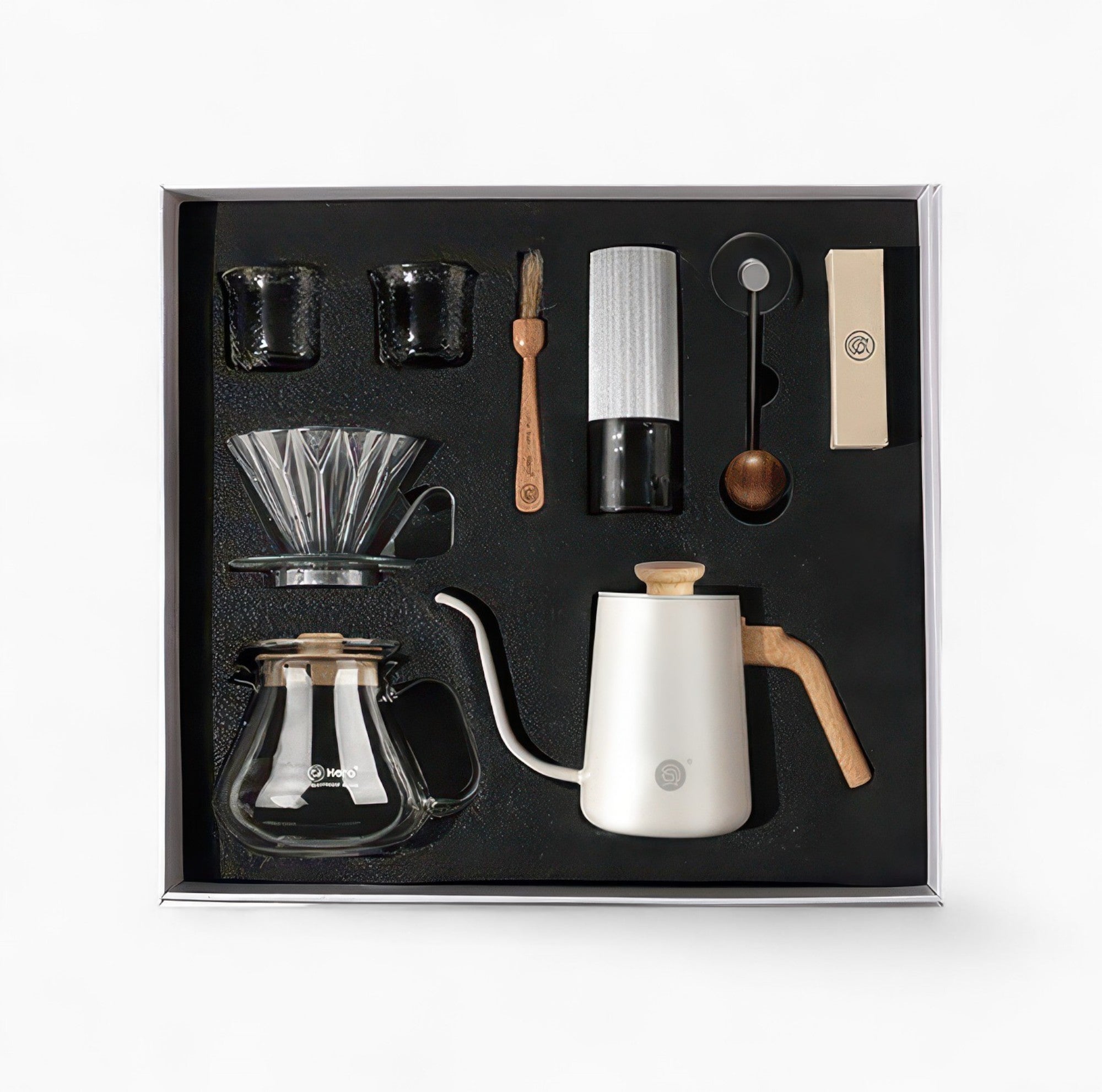
Complete Pour Over Coffee Kit with Grinder and Kettle
$235.90 $360.00
Everything you need to build your pour over coffee station in one curated kit with grinder, kettle, dripper and filters included.
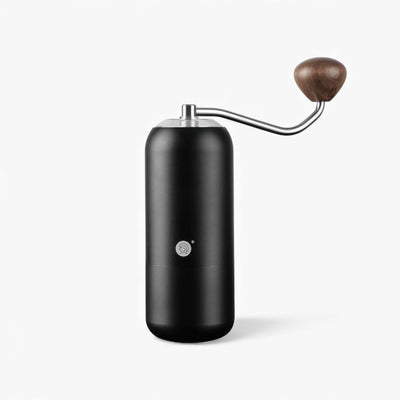
Explore ProductThe Complete Pour Over Coffee Kit with Grinder and Kettle eliminates the guesswork by bundling everything you need into one comprehensive solution. Rather than piecing together components from various sources, this curated kit ensures compatibility between your grinder, kettle, dripper, and filters—setting you up for success from day one.
The Art and Science of Manual Brewing

Mastering pour over brewing requires understanding both the artistic elements and the scientific principles at play. The bloom phase—that initial pour triggering CO2 release from freshly ground beans—sets the stage for proper extraction. Water temperature matters enormously; too hot and you extract bitter compounds, too cool and you leave sweetness and complexity behind.
The pour technique itself influences results significantly. A controlled, spiral pattern ensures even saturation and consistent extraction across your coffee bed. This is where practice transforms into mastery, and where quality equipment becomes indispensable. A gooseneck kettle with precise flow control makes these techniques achievable rather than frustrating.
Many enthusiasts find this learning process deeply rewarding. Each brew becomes an opportunity to refine your technique, experiment with variables, and discover new dimensions in familiar beans. The journey from competent to exceptional brewer is measured in hundreds of delicious cups, each one teaching you something new.

Supportive equipment makes this learning curve less steep. Consistent tools allow you to isolate variables and understand exactly what changes improve your results. When your equipment performs reliably, you can focus entirely on technique and taste rather than troubleshooting hardware failures.
Precision Tools for Consistent Results
While the dripper and filters handle the physical brewing, two supporting elements determine whether your home barista setup produces café-quality results: precise measurement and quality filtration.
Many home brewers underestimate the importance of a proper coffee scale. Estimating quantities by volume or time leads to frustrating inconsistency. The difference between 14 and 16 grams of coffee, or a 1:15 versus 1:16 ratio, dramatically affects flavor profile. Professional baristas weigh everything because precision matters.
Essential Precision Gear for Your Station

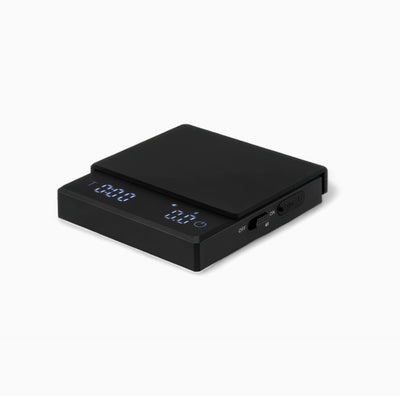
Precision Digital Coffee Scale with LED Brew Guide
$64.90
$143.00
Dial in perfect ratios every time with 0.1g accuracy and LED-guided pour over modes for consistent extraction. Learn more ➔

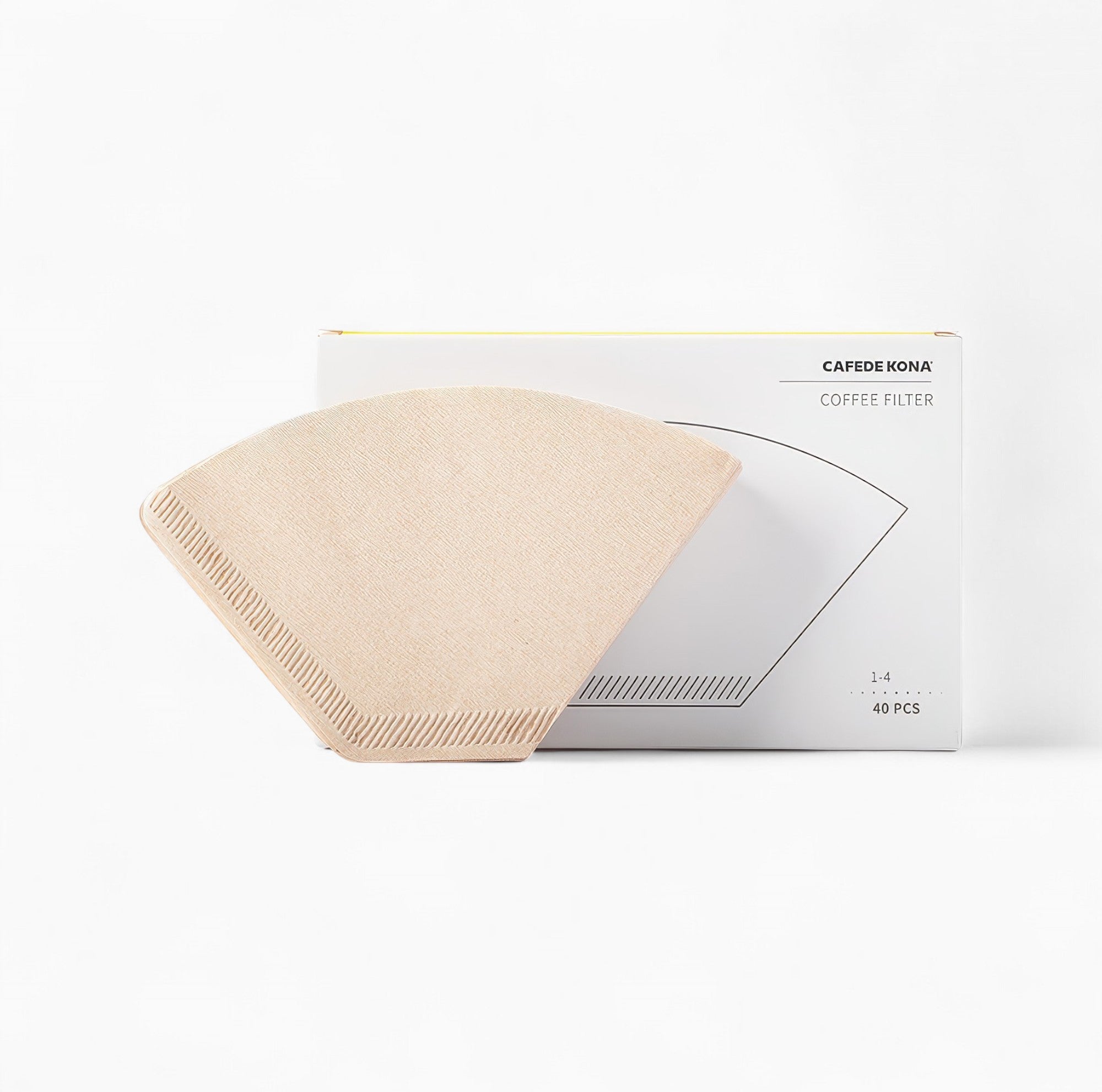
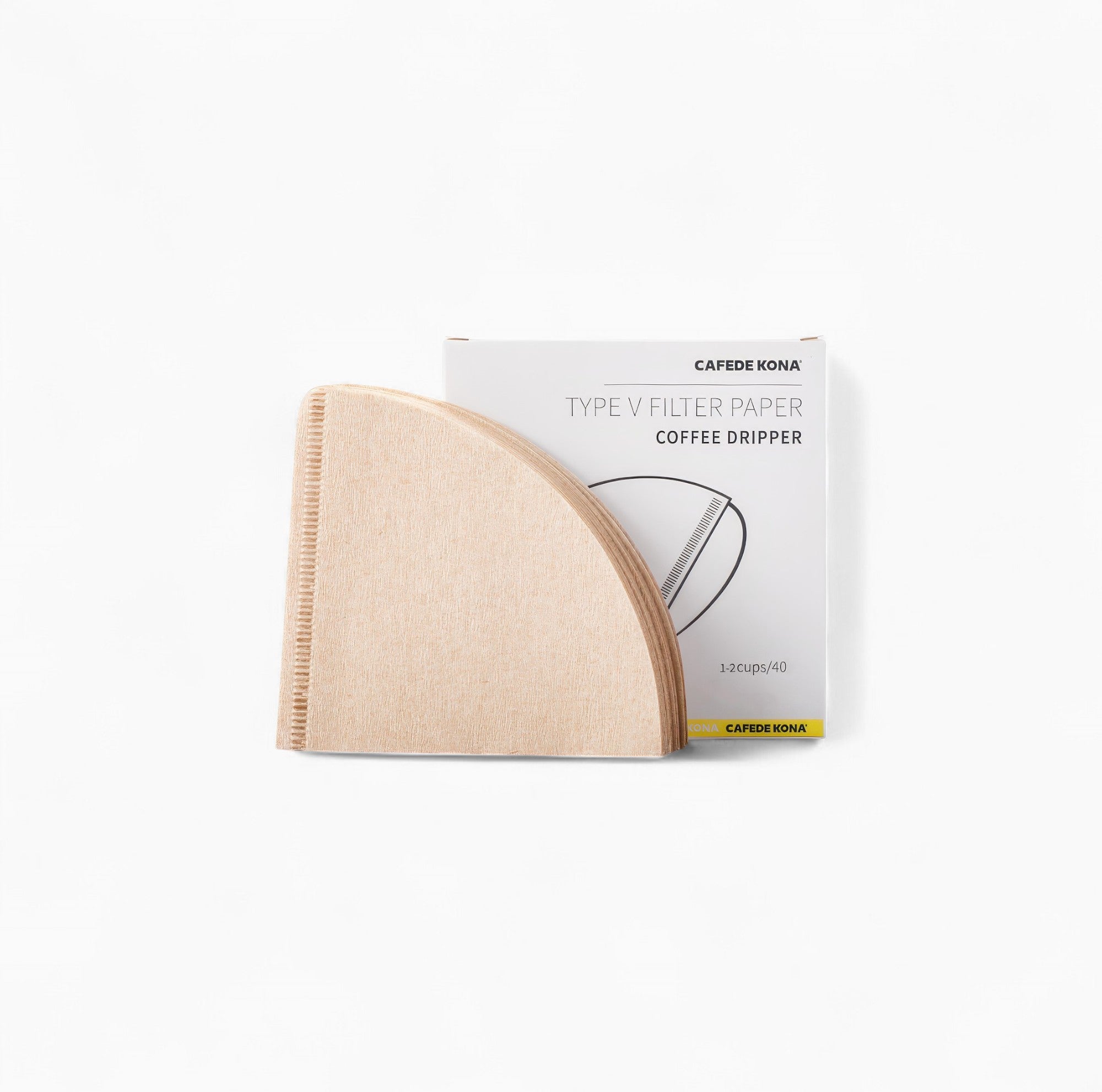
V60 Pour Over Coffee Filter Papers Chemical-Free
$12.90
$22.00
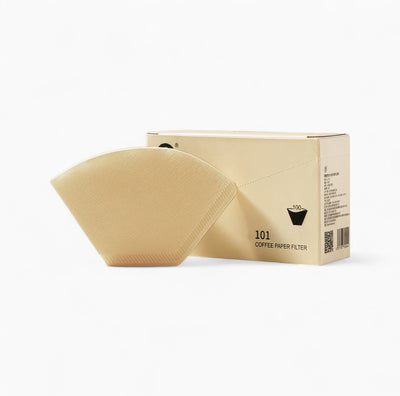
Natural wood pulp filters that deliver clean extraction without papery aftertaste, essential for any pour over station. Learn more ➔
The Precision Digital Coffee Scale with LED Brew Guide removes guesswork entirely. With 0.1g accuracy and specialized pour over modes, this tool guides your technique while ensuring your ratios remain perfect. The built-in LED prompts help beginners develop proper timing and flow control.
Filtration quality similarly affects your final cup. Inferior papers can impart unwanted flavors or restrict proper flow rates, leading to either under-extraction or over-extraction. Natural wood pulp filters, like the V60 Pour Over Coffee Filter Papers Chemical-Free, deliver clean extraction without the papery aftertaste that plagues lower-quality alternatives. These filters are essential for any serious pour over station, allowing the true character of your beans to shine through without interference.
Visual Learning: Building Your Setup Step by Step
Sometimes seeing the process makes everything click. This comprehensive video walks through the essentials of building a functional home brewing station, covering equipment selection, placement, and technique fundamentals that translate directly to your pour over coffee station.
Notice how the presenter emphasizes the relationship between equipment quality and brewing consistency. Each component in your station serves a specific purpose, and understanding these functions helps you make informed decisions about where to invest your budget for maximum impact.
Designing Your Pour Over Coffee Station Layout
Creating a functional pour over coffee station setup involves more than simply placing equipment on your counter. Thoughtful organization streamlines your workflow and enhances the ritualistic pleasure of manual brewing.
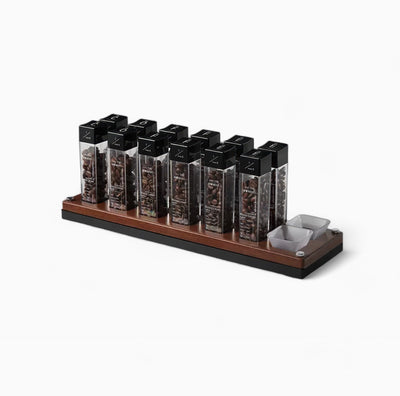
Consider the flow of your brewing process. Your grinder should sit near your scale and dripper, creating an efficient preparation zone. Store your filters in an accessible container—exposure to air and moisture degrades their performance. Position your kettle within easy reach of your water source, ideally with its base station or heating element included in your station footprint.
For pour over coffee station ideas, many home baristas incorporate dedicated coffee stations into their kitchen design. Wall-mounted shelves, specialized cabinets, or even converted furniture pieces can house your equipment beautifully. The key is creating a permanent home for your setup rather than assembling and disassembling components each morning.

Some enthusiasts design their entire pour over coffee station DIY approach around specific aesthetic themes—minimalist Japanese-inspired setups, rustic farmhouse arrangements, or sleek modern configurations. The visual appeal of your station can enhance the morning ritual, making the brewing process something you genuinely look forward to rather than rushing through.

Whatever your aesthetic preference, ensure your station provides adequate space for movement during brewing. Pour over requires active participation—you'll be holding a kettle and potentially adjusting your dripper or scale throughout the process. Crowded conditions lead to accidents and frustration.
Addressing the Challenges of Pour Over Brewing
No brewing method is perfect for everyone, and honest assessment helps you decide if a pour over coffee station suits your lifestyle. The most significant consideration is time commitment. Unlike pushing a button on an automatic drip machine, manual brewing demands your full attention for four to seven minutes, plus preparation and cleanup.
The learning curve presents another challenge. Your first attempts may not match café quality, and developing true proficiency requires dozens of practice sessions. Some enthusiasts find this process rewarding, but others prefer immediate results without experimentation. Understanding your own preferences matters here.
Equipment quality becomes more critical with pour over than with immersion methods. Poor grind uniformity from inferior grinders, imprecise pouring from basic kettles, or inconsistent scales all amplify problems that forgiving brewing methods might mask. This reality explains why the best pour over coffee station setups invest proportionally more in supporting equipment.
However, these disadvantages diminish significantly with proper tools and practice. Quality gear designed specifically for manual brewing eliminates many common frustrations, and the satisfaction of mastering technique creates rewards that automated brewing simply cannot match. For those committed to the craft, pour over brewing becomes less about convenience and more about purposeful engagement with an artisanal process.
Conclusion: Your Journey to Manual Brewing Mastery
Building a pour over coffee station represents more than acquiring equipment—it establishes a commitment to craft and quality that transforms your daily coffee ritual. The clarity of flavor, the meditative process, and the satisfaction of mastering technique make this brewing method uniquely rewarding for dedicated enthusiasts.
Success depends on starting with components designed to work together harmoniously. Trying to assemble random pieces from different sources often leads to compatibility issues and compromised results. Instead, choose equipment thoughtfully curated by specialists who understand the nuances of manual extraction.
At Rethink Cafe, we specialize in providing home baristas with precisely this kind of purpose-built equipment. From complete kits that eliminate guesswork to precision tools that elevate your technique, our collection supports every stage of your brewing journey. Whether you're assembling your first manual brew setup or refining an established station, our expertise and product selection help you achieve café-quality results in your own kitchen.
The perfect cup awaits—equipped with the right tools and knowledge, you're ready to begin.
Frequently Asked Questions about Pour Over Coffee Stations
The primary disadvantages of pour over coffee include the time commitment required, as manual brewing demands active attention for 4-7 minutes per cup, plus the steeper learning curve compared to automatic methods. Additionally, pour over requires higher-quality equipment to achieve consistent results, with poor grinders, scales, or kettles amplifying extraction problems that forgiving brewing methods might mask. However, these challenges diminish significantly with practice and proper equipment.
The 80/20 rule in coffee brewing suggests that 80% of your results come from 20% of your efforts—specifically, focusing on the most impactful variables. For pour over brewing, this means prioritizing grind quality, water temperature, and coffee-to-water ratio over minor technique details. Investing in a quality grinder and scale provides disproportionate improvements to your brew quality, while obsessing over perfect pour patterns matters less once you master the fundamentals.
Pour over coffee stands out for three reasons: control, clarity, and connection. The manual process gives you complete command over water temperature, pour rate, and extraction time, allowing you to highlight specific flavor notes. The resulting cup offers remarkable clarity with distinct regional characteristics—Ethiopian beans reveal floral brightness while Colombian showcases caramel sweetness. Additionally, the ritual creates a meditative moment of mindfulness, transforming coffee preparation from a task into an intentional daily practice.
The best pour over equipment includes five essentials: a quality burr grinder for consistent particle size, a gooseneck kettle for precise pouring control, a reliable dripper (V60 or similar) with appropriate filters, a precise digital scale with 0.1g accuracy, and fresh, high-quality beans. Purpose-built equipment designed specifically for manual brewing eliminates compatibility issues and variable inconsistencies. Complete starter kits that bundle these components together often provide the best value and ensure all pieces work harmoniously.
Setting up a pour over coffee station involves organizing your workflow for efficiency and enjoyment. Position your grinder near your scale and dripper to create a preparation zone. Store filters in an accessible, airtight container to preserve freshness. Place your kettle within reach of your water source. Leave adequate space for movement during active brewing—pour over requires holding and maneuvering equipment. Consider aesthetics that make your station inviting, whether minimalist, rustic, or modern. Finally, ensure all components are quality pieces designed for manual brewing to eliminate common frustrations.