Brewing authentic Turkish coffee requires more than just quality beans and traditional brewing methods. The foundation of that distinctive, velvety cup lies in achieving an ultra-fine powder consistency that most conventional grinders simply cannot deliver. If you're serious about experiencing traditional Turkish coffee in its truest form, investing in the right turkish coffee grinder manual becomes essential.
Unlike espresso or pour-over brewing, Turkish coffee demands a grind size so fine it resembles powdered sugar or flour. This unique requirement eliminates many standard grinders from consideration and draws coffee enthusiasts toward precision manual options. In this guide, we'll explore what makes a best manual turkish coffee grinder stand out, examine the grind settings required for authentic results, and help you discover equipment that honors this centuries-old brewing tradition.
The Ultra-Fine Grind Challenge
Turkish coffee preparation stands apart from other brewing methods due to its unique extraction process. The coffee is not filtered; instead, the grounds remain in the cup, settling at the bottom while the supernatant creates that characteristic thick, frothy layer we know as kaymak. Achieving this requires grinding beans to a consistency finer than espresso—essentially turning them into a talcum powder-like substance.
Most standard manual coffee grinder options on the market advertise "espresso-fine" grinding capabilities but fall short when pushed to Turkish fineness. The burrs must remain cool during grinding to preserve volatile aromatics, and the adjustment mechanism must allow for micro-adjustments that go beyond typical fine settings. This is where specialized equipment becomes crucial.

What Grinder Setting for Turkish Coffee?
When configuring your grinder for Turkish preparation, you'll need to set it to the finest possible position—often beyond what manufacturers label as "espresso fine." On adjustable grind turkish coffee grinder models, this typically means dialing the adjustment mechanism toward the "zero" or closed position, then backing off just enough to allow particle flow.
The resulting grind should feel like flour between your fingers, with no visible particles or grittiness. If you can still detect individual grain-like structures, continue adjusting finer. High-quality burr turkish coffee grinder options feature stepless adjustment systems that allow for these precise calibrations, whereas stepped grinders may limit your ability to achieve the necessary consistency.
Top Considerations When Choosing a Manual Turkish Coffee Grinder
Selecting the best equipment for Turkish coffee involves evaluating specific features that differ from general-purpose grinding. Here are critical factors to consider:
- Burr Material and Geometry: Forged steel or high-carbon steel burrs maintain sharpness longer and resist heat buildup during the extended grinding process required for ultra-fine consistency.
- Adjustment Range: Look for grinders advertising specific Turkish-fine capabilities, not just espresso-range grinding.
- Build Construction: Solid brass or stainless steel turkish coffee grinder constructions provide stability and reduce vibration during the high-torque grinding process.
- Handle Ergonomics: Turkish grinding requires more revolutions than coarser methods; comfortable handle design prevents fatigue.
Many enthusiasts search for traditional sozen turkish coffee grinder options—handcrafted brass grinders that have been produced in Turkey for generations. While these offer authentic aesthetics and cultural significance, modern precision grinders often provide superior consistency and adjustability for daily use.
Pro Tip: Always grind Turkish coffee fresh immediately before brewing. The ultra-fine particle size oxidizes rapidly, losing aromatic compounds within minutes of grinding.

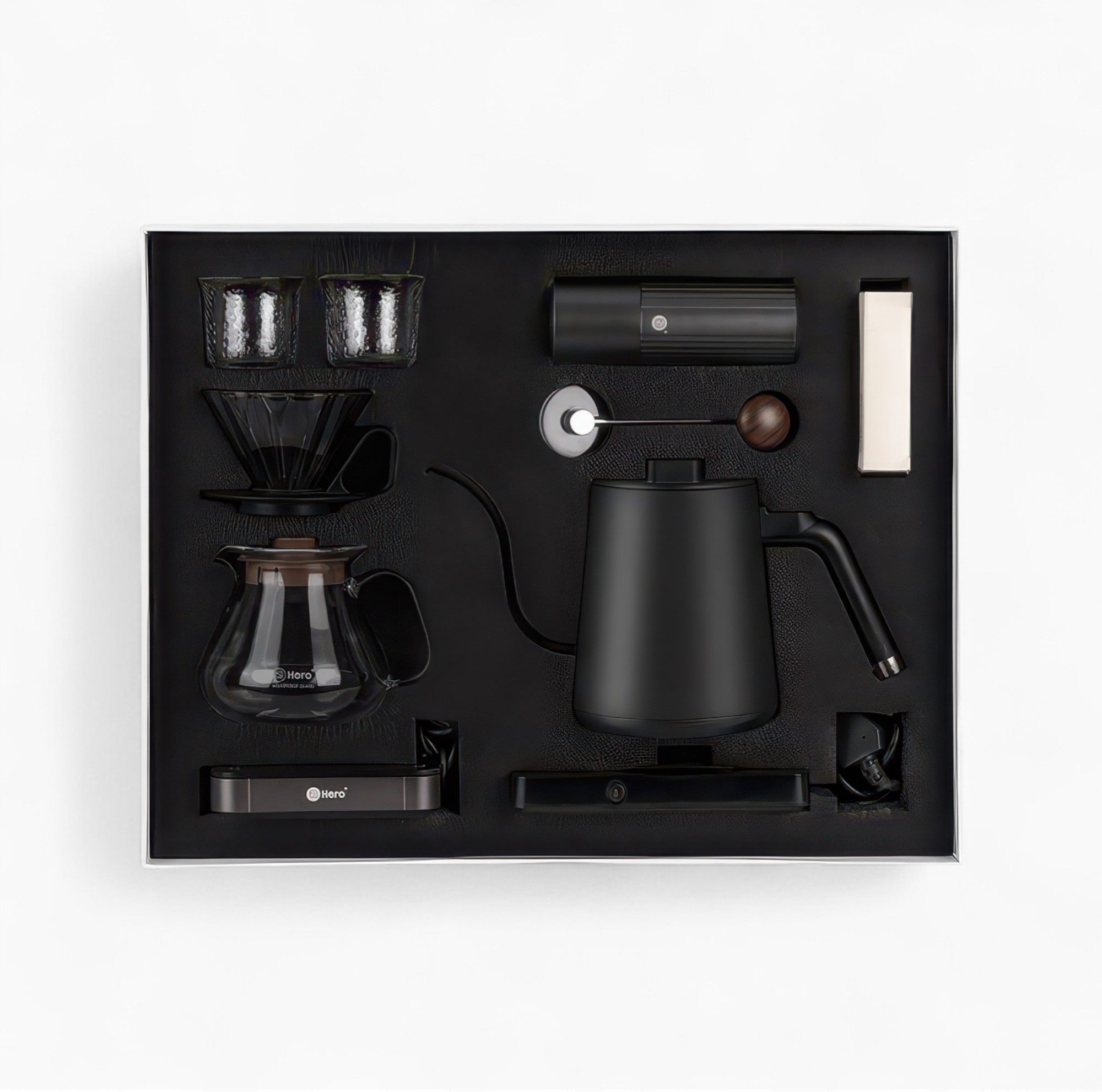
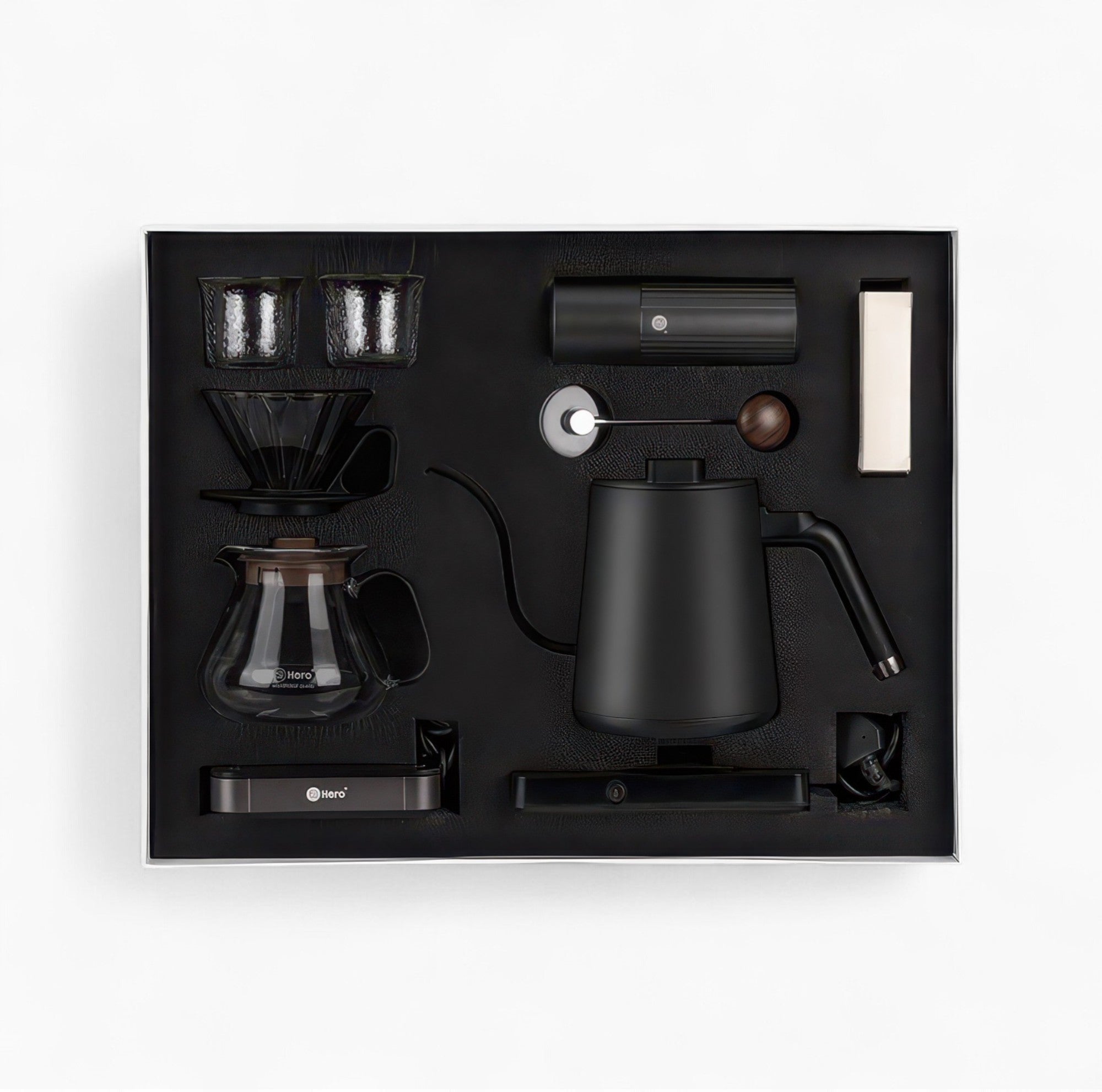
Complete Pour Over Coffee Kit with Electric Grinder
$305.90 $560.00
This complete pour over kit includes a Z3 Pro manual grinder with forged steel burrs capable of achieving the ultra-fine consistency Turkish coffee demands. Perfect for home baristas exploring traditional brewing methods.
Explore ProductManual vs. Electric Turkish Coffee Grinders
The debate between turkish coffee grinder electric and manual options ultimately comes down to tradition versus convenience. Electric grinders capable of Turkish-fine settings do exist, but they generate significant heat during the extended grinding time required for powder-fine consistency. This heat can damage volatile aromatic oils, resulting in flat, less complex flavor profiles.
Manual grinding, while requiring more physical effort, generates minimal heat and allows you to feel the resistance of the beans, indicating optimal grinding progression. The ritualistic aspect of hand grinder for turkish coffee preparation also connects you to centuries of tradition. Most best turkish coffee grinder enthusiasts prefer manual options for home use, reserving electric models for high-volume commercial environments where speed is essential.
Another consideration is particle consistency. Even high-end electric grinders sometimes struggle with the ultra-fine grind range, producing inconsistent particle sizes that lead to uneven extraction. Premium manual grinders with precise burr alignment typically outperform electric alternatives in this specific fineness range.
The Turkish Coffee Preparation Process
Understanding the brewing context helps clarify why grinder selection matters so intensely. Traditional preparation involves mixing water, sugar (optional), and coffee in a cezve (ibrik), then slowly heating while continuously stirring to create emulsion.
What is the Ratio of Turkish Coffee to Water?
The standard ratio for traditional turkish coffee is approximately 1 tablespoon (7-8 grams) of ultra-fine coffee per 3 ounces (90ml) of water. However, personal preference varies significantly, with some preferring stronger 1:10 ratios. The critical factor is that the grind must be fine enough to suspend properly in the water during the initial mixing phase—if the grind is too coarse, the coffee simply settles rather than creating the emulsion necessary for proper foam development.

How Long Does It Take to Grind Turkish Coffee by Hand?
Grinding 15-20 grams of coffee to Turkish consistency manually typically requires 2-4 minutes of continuous turning, depending on the grinder's burr efficiency and your arm strength. This is significantly longer than grinding for drip coffee (30 seconds) or espresso (1 minute). The extended duration explains why ergonomic handle design and stable grip become crucial factors when selecting your best manual turkish coffee grinder.

Building Your Complete Turkish Coffee Setup
Achieving café-quality Turkish coffee at home requires more than just the right grinder. Precision in measurement, water temperature control, and proper workflow organization all contribute to consistency. When your grinder components are organized and accessible, the ritual flows seamlessly from grinding to brewing.
For those exploring traditional brewing methods alongside modern espresso preparation, having equipment that serves multiple functions while maintaining specialized capabilities for Turkish coffee represents the ideal approach. The setup should accommodate the specific workflow demands of ultra-fine grinding, where cleanliness and organization prevent messes from powder-fine particles.

Essential Equipment for Turkish Coffee Enthusiasts

All-in-One Pour Over Coffee Kit with Electric Kettle
$305.90
$560.00
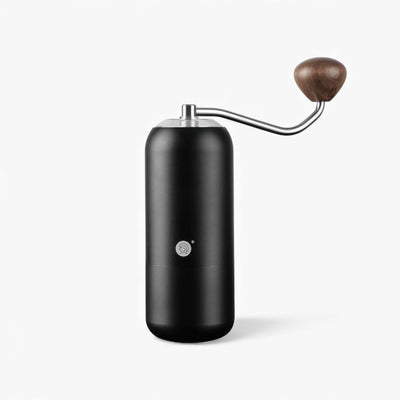
Features a precision manual grinder with professional-grade burrs that can achieve Turkish-fine grind settings. The integrated scale and gooseneck kettle complete your authentic coffee ritual setup. Learn more ➔

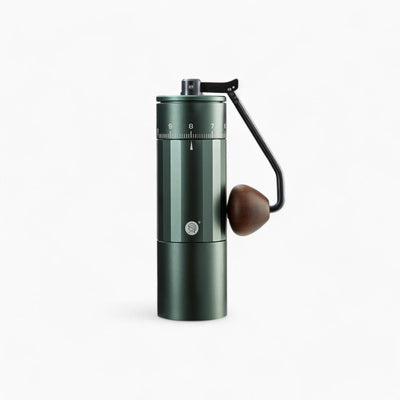
3D Printed Manual Coffee Grinder Cap and Handle Holder
$17.90
$39.00
Keep your manual grinder components organized and secure with this precision-fit holder. Essential accessory for Turkish coffee enthusiasts who value a clean, efficient grinding workflow. Learn more ➔
If you're comparing different brewing methods, you might notice that French press grinding requires completely different coarse settings. This variance explains why many serious enthusiasts eventually own multiple grinders or choose versatile models capable of spanning the entire spectrum from Turkish-fine to French press-coarse.
Common Questions About Turkish Coffee Equipment
When researching best turkish coffee grinder manual options, you'll encounter various concerns about maintenance and availability. For instance, many users wonder about what are some common problems with Turkish coffee machines—though technically, traditional Turkish coffee doesn't use "machines" in the Western sense, but rather simple heated vessels. Common issues usually involve improper grinding (too coarse) leading to weak foam, or overheating the cezve causing burnt flavors.
Regarding retail availability, some shoppers search for why is Costco removing coffee grinders from their stores. This trend reflects broader hygiene and maintenance concerns with commercial grinding equipment in retail environments, further emphasizing the value of owning personal, high-quality grinding equipment for specialty preparations like Turkish coffee.
Consistency Check: To test if your grind is fine enough for Turkish coffee, pinch a small amount between your fingers. It should feel smooth like baby powder, with no grittiness or individual particles detectable.
Conclusion: Elevate Your Turkish Coffee Experience
Achieving authentic Turkish coffee requires equipment that respects the tradition's demanding technical requirements. The ultra-fine grind necessary for proper extraction and foam development simply cannot be achieved with standard coffee grinders, making specialized turkish coffee grinder manual selection crucial for home baristas.
At Rethink Cafe, we understand that coffee preparation is both science and ritual. Whether you're drawn to the meditative process of hand-grinding or seeking precision equipment capable of Turkish-fine settings, our curated collection supports your journey toward coffee mastery. The right tools transform this ancient brewing method from a challenging specialty into a daily pleasure, connecting you to centuries of coffee culture with every meticulously ground cup.
Invest in equipment designed for the extremes of coffee grinding, and discover why Turkish coffee has remained a cherished tradition across cultures and generations. The difference between good and exceptional Turkish coffee lies in the details—starting with that impossibly fine, perfectly consistent grind only true specialty grinders can deliver.
Frequently Asked Questions about Manual Turkish Coffee Grinders
Turkish coffee requires the finest setting possible on your grinder—typically finer than espresso. Adjust your manual grinder to its lowest (finest) setting, then back off slightly if no powder emerges. The grind should resemble flour or powdered sugar in consistency, with no visible particles when rubbed between your fingers.
The traditional ratio is 1 tablespoon (approximately 7-8 grams) of ultra-fine coffee per 3 ounces (90ml) of water. This can be adjusted to personal taste, with some preferring stronger ratios of 1:10. The key is ensuring the grind is fine enough to create proper emulsion and foam (kaymak) when heated.
Traditional Turkish coffee doesn't use filter machines but rather simple heated cezves (ibriks). Common issues include grinding too coarsely (resulting in weak or no foam), overheating the coffee (creating burnt, bitter flavors), and using stale pre-ground coffee. Electric Turkish coffee makers sometimes struggle with uneven heating, so manual preparation on low heat remains preferred for quality.
Costco and other retailers have removed in-store coffee grinders due to hygiene concerns, maintenance difficulties, and liability issues. Shared grinding equipment can harbor bacteria and allergens from previous users, while regular cleaning of commercial grinders requires significant labor. This trend reinforces the value of owning personal grinding equipment for quality and safety.
Grinding coffee to Turkish consistency manually takes approximately 2-4 minutes for a single serving (15-20 grams), depending on the grinder's burr efficiency and your arm strength. This is significantly longer than coarser grinding methods due to the ultra-fine particle size required. Quality manual grinders with sharp, well-aligned burrs reduce this time while maintaining consistency.