There's something almost meditative about the ritual of grinding your own coffee beans by hand. The gentle resistance of the crank, the satisfying crunch of beans transforming into perfectly uniform grounds, and the aromatic oils releasing with each turn—it's an experience that electric grinders simply cannot replicate. Whether you're a seasoned home barista or just beginning your specialty coffee journey, understanding the art and science behind a manual coffee grinder can fundamentally transform your morning cup.
In this comprehensive guide, we'll explore why hand grinding has experienced a renaissance among coffee enthusiasts, examine the engineering that separates exceptional grinders from mediocre ones, and help you navigate the decision-making process to find the perfect tool for your brewing style. Along the way, we'll introduce you to some of the finest equipment available at Rethink Cafe—tools designed to solve the common frustrations that plague budget grinders while delivering the consistency that great coffee demands.
Why Choose a Manual Coffee Grinder?
The resurgence of hand grinders isn't merely about nostalgia or aesthetics—though they certainly add a beautiful element to any coffee station. The practical advantages of a manual coffee bean grinder extend far beyond their compact footprint and travel-friendly design.
Precision and Consistency define the primary advantage. High-quality manual grinders typically feature conical burr grinder mechanisms that crush beans between two precisely machined surfaces rather than slicing them with blades. This burr system produces uniform particle sizes essential for even extraction—meaning no more bitter or sour notes from unevenly ground coffee.
The tactile feedback of hand grinding also allows you to feel when beans are feeding properly and adjust your technique accordingly. This level of control is particularly valuable for espresso preparation, where grind consistency directly impacts shot quality. Additionally, manual grinders operate silently—perfect for early mornings when you don't want to wake the household with the roar of an electric motor.
From a value perspective, manual coffee grinders often deliver superior burr quality at lower price points compared to their electric counterparts. The absence of motors and electronic components means manufacturers can invest more heavily in the grinding mechanism itself—the component that actually affects your coffee quality.
Understanding Burr Types and Grind Mechanisms
Not all burrs are created equal, and understanding the differences will help you make an informed investment. The two primary materials you'll encounter are ceramic burr grinder and steel burr grinder options, each with distinct characteristics.
Ceramic Burrs offer exceptional durability and stay sharp longer than steel alternatives. They generate less heat during grinding, which helps preserve volatile aromatic compounds. However, ceramic is more brittle and can chip if foreign objects (like small stones occasionally found in coffee beans) enter the grinding chamber. Ceramic burrs typically appear in entry-level and mid-range hand grinders.
Steel Burrs, particularly those made from high-carbon or titanium-coated stainless steel, provide sharper cutting edges and can achieve more uniform particle distribution—critical for espresso extraction. Many premium manual coffee grinder brands now utilize CNC-machined steel burrs with advanced geometries that rival commercial electric grinders.
Burr size also matters significantly. Larger burrs (38mm and above) grind faster with less effort and typically produce more consistent results. The Z5 X-Fold Manual Coffee Grinder with Titanium Burrs exemplifies this philosophy, featuring 38mm seven-star titanium burrs that maintain sharpness through thousands of grinding cycles while delivering exceptional consistency across all grind settings.

How to Choose the Right Manual Coffee Grinder
Selecting the ideal hand grinder requires balancing several factors against your specific needs and brewing preferences. Here's what to evaluate before making your investment:
Grind Adjustment Mechanism: Look for grinders with stepless or micro-adjustable settings if you plan to brew espresso, as these allow infinite tweaking to dial in the perfect shot. For pour-over or French press enthusiasts, stepped adjustments with clear markings may prove more convenient for switching between brewing methods.
Capacity and Ergonomics: Consider how much coffee you typically brew. If you're preparing multiple cups daily, a manual coffee grinder large capacity model will save you from repeated grinding sessions. The handle design significantly impacts usability—folding handles like those on the Z5 X-Fold reduce storage space while patented leverage systems can decrease grinding effort by up to 30%.
Build Quality and Materials: Aluminum bodies offer excellent durability-to-weight ratios for travel, while premium hardwood accents add warmth to your kitchen aesthetic. Internal components should feature stainless steel or titanium for longevity.
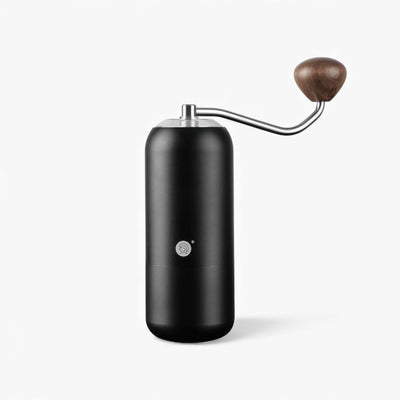
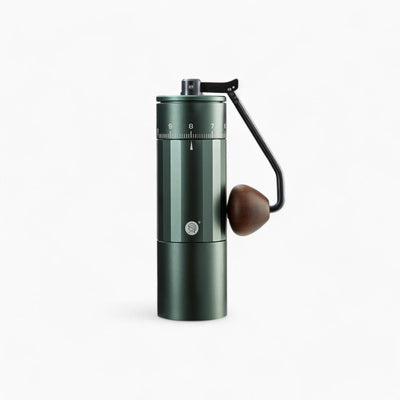


Z5 X-Fold Manual Coffee Grinder with Titanium Burrs
$185.90 $365.00
Experience exceptional grind consistency with the Z5 X-Fold featuring 38mm seven-star titanium burrs and 100-step stepless adjustment. The patented folding handle reduces effort by 30% while perfect for home and travel use.
Explore ProductBudget Considerations: From Entry-Level to Premium
The manual grinder market spans from budget-friendly options under $50 to premium models exceeding $400. Understanding what each tier offers helps set realistic expectations.
Budget Manual Grinders ($30-$75): These typically feature smaller ceramic burrs (28-32mm) and plastic or lightweight aluminum construction. While suitable for coarse grinds like French press or cold brew, they often struggle with the fine consistency required for espresso. They're excellent entry points for newcomers wanting to experience hand grinding without significant investment.
Mid-Range Hand Grinders ($100-$250): This sweet spot offers significant upgrades including larger steel burrs (38-40mm), superior build quality, and more precise adjustment mechanisms. Most home baristas will find their forever grinder in this category, with models capable of excellent espresso and pour-over performance.
Premium Manual Grinders ($300+): At this level, you're investing in precision engineering, exotic materials, and often proprietary burr geometries designed by world-renowned coffee professionals. These represent the pinnacle of hand-grinding technology, though diminishing returns exist for casual users.
Manual vs Electric: Making the Right Choice
The debate between manual coffee grinder and electric alternatives ultimately depends on your priorities. Electric grinders offer convenience and speed—press a button and walk away. However, they introduce heat generation, noise, and often occupy significant counter space.
Manual grinding engages you in the brewing process, creating a mindful ritual that many enthusiasts find enhances their overall coffee experience. The physical act of grinding becomes part of the morning routine rather than a chore to automate. For those who value portability, a portable coffee grinder fits easily into luggage for travel or camping trips where electricity isn't available.
Some innovative products now bridge this gap. The Starseeker 2 in 1 Black Burr Coffee Grinder offers both electric speed for busy mornings and manual control for weekend ritual brewing, featuring a 40mm CNC ten-star conical burr that maintains consistency regardless of power source.

Product Recommendations for Every Brewing Style
Matching your grinder to your preferred brewing method ensures optimal results. Different extraction processes demand specific grind characteristics that not all grinders can deliver equally.
For Espresso Enthusiasts: You need a grinder capable of extremely fine, consistent particles with micro-adjustability. The precision required for espresso extraction leaves no room for inconsistent particle sizes. Look for models with high-quality steel burrs and stepless adjustment.
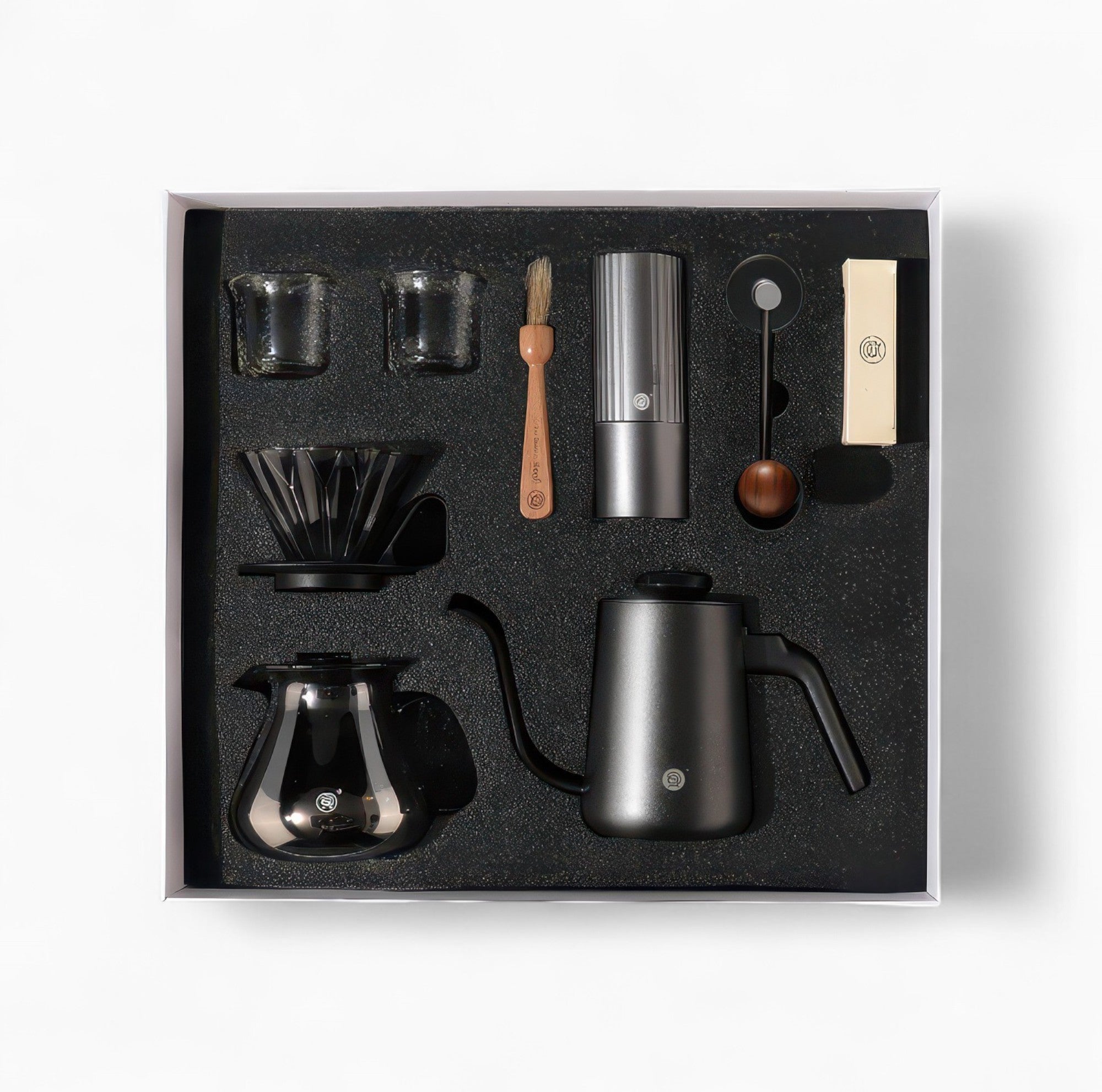
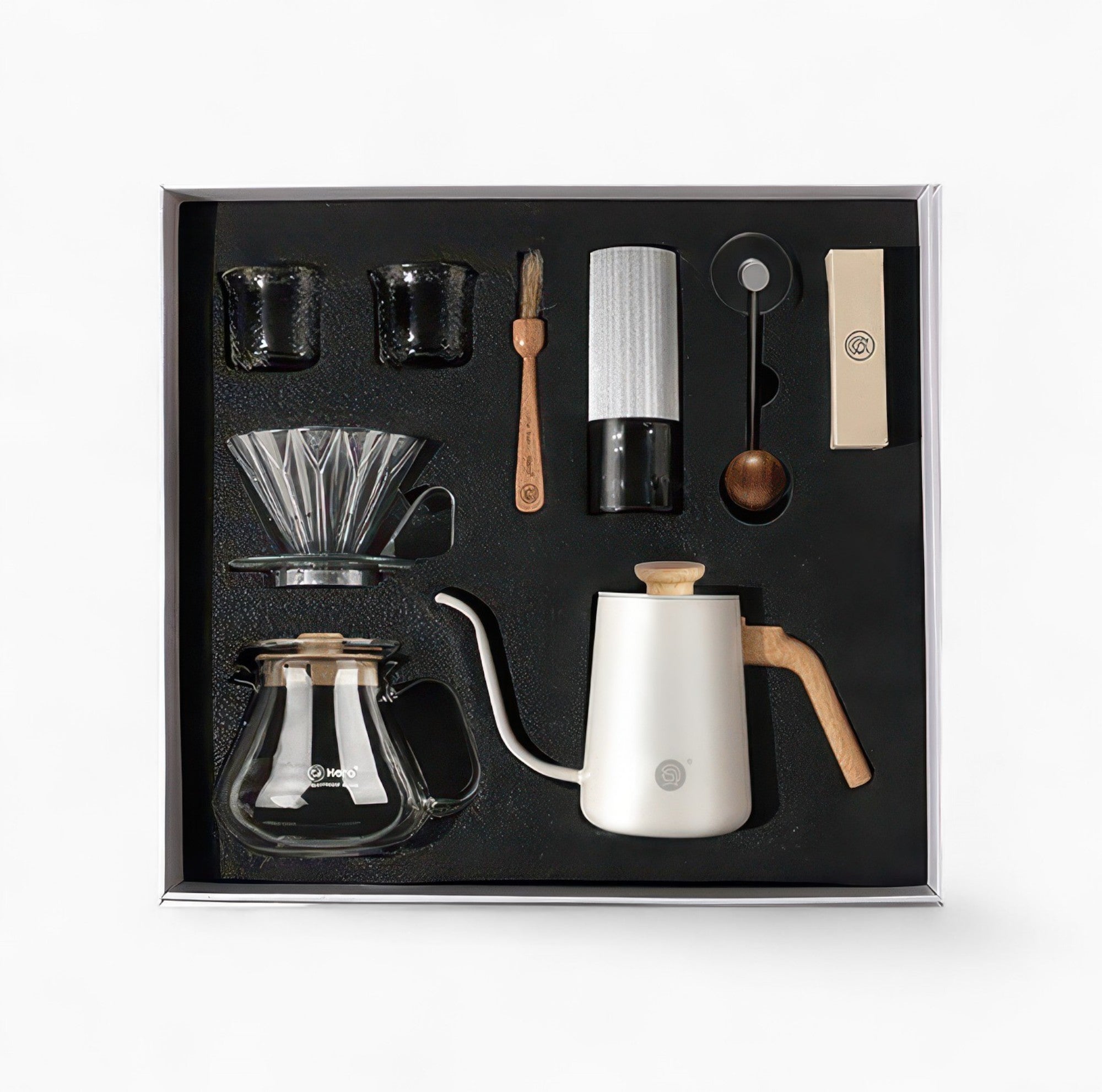
For Pour-Over Perfectionists: Medium-fine grinds with minimal fines (ultra-fine particles) prevent clogging filters while ensuring proper extraction time. A Complete Pour Over Coffee Kit with Grinder and Kettle provides everything needed to master this brewing method, featuring a six-star 38mm conical burr hand grinder alongside temperature control equipment.
For French Press and Cold Brew: Coarse grinding requires less precision, making entry-level options viable. However, consistency still matters—uneven coarse grinds can lead to over-extracted sludge in your final cup.
Complete Your Coffee Setup

Starseeker 2 in 1 Black Burr Coffee Grinder
$215.90
$270.00
Get the best of both worlds with this dual-mode grinder - electric for speed, manual for control. Features 40mm CNC ten-star conical burr, 60 grind settings, and rechargeable battery for grinding anywhere. Learn more ➔

Complete Pour Over Coffee Kit with Grinder and Kettle
$235.90
$360.00
Everything you need in one kit featuring a six-star 38mm conical burr hand grinder, temperature control kettle, and premium glassware. The perfect starter kit for mastering manual brewing at home. Learn more ➔

Maintenance and Care for Longevity
Proper maintenance ensures your manual coffee grinder continues delivering exceptional results for years. Unlike electric grinders with complex electronic components, hand grinders are remarkably simple to care for.
Regular Cleaning Protocol: After each use, brush out residual grounds from the burr chamber and collection container. Every few weeks, depending on usage frequency, perform a deeper clean by disassembling the grinder and washing non-mechanical parts with warm water and mild detergent. Ensure all components are completely dry before reassembly to prevent oxidation.
Seasonal Deep Maintenance: Every three to six months, inspect burrs for wear or coffee oil buildup. A thorough cleaning with grinder cleaning tablets or uncooked rice can remove stubborn oils that affect flavor. For steel burrs, a light application of food-safe mineral oil on non-grinding surfaces prevents corrosion.
Storage Best Practices: Store your grinder in a dry environment away from temperature extremes. If traveling with your grinder, consider a protective case to prevent damage to adjustment mechanisms or burr alignment.
For detailed cleaning instructions specific to your model, consult our comprehensive guide on grinder maintenance techniques.
Conclusion: Elevate Your Coffee Ritual
Investing in a quality manual coffee grinder represents more than purchasing equipment—it's committing to a more intentional relationship with your daily brew. The tactile engagement, precision control, and quiet satisfaction of hand grinding transform coffee preparation from a morning necessity into a cherished ritual.
At Rethink Cafe, we understand that every coffee enthusiast's journey is unique. Whether you're seeking a travel coffee grinder for adventure brewing, a precision instrument for espresso perfection, or a complete setup for mastering pour-over, we've curated solutions that eliminate frustration and deliver the consistency your coffee deserves.
The tools we've explored—from the innovative Z5 X-Fold with its space-saving design to the versatile Starseeker dual-mode grinder—represent the pinnacle of what's possible when engineering meets passion for coffee. Explore our complete collection of hand grinders and accessories at Rethink Cafe, and take the first step toward coffee that truly reflects your dedication to quality.
Frequently Asked Questions about Manual Coffee Grinders
Yes, manual coffee grinders are excellent tools for achieving high-quality coffee grounds. Premium hand grinders often feature the same high-quality burr mechanisms found in expensive electric grinders, sometimes at lower price points. They offer superior portability, quiet operation, and a more engaging brewing ritual. The key is investing in a quality model with steel or titanium burrs rather than budget blade grinders.
The best manual coffee grinder depends on your specific needs and brewing methods. For espresso enthusiasts, look for grinders with stepless adjustment and premium steel burrs like the Z5 X-Fold with titanium burrs. For versatility across brewing methods, consider the Starseeker 2 in 1 which offers both electric and manual operation. Budget-conscious users should prioritize ceramic burr models from reputable manual coffee grinder brands. The "best" grinder is ultimately the one that fits your brewing style, budget, and capacity needs.
Manual grinding offers several advantages over electric grinders: quieter operation, no heat generation that can damage coffee oils, greater portability, and typically better value for the burr quality. However, it requires physical effort and takes more time. For those who enjoy the ritual of coffee preparation and want precise control over their grind, manual grinding is often superior. For high-volume brewing or those with mobility limitations, electric grinders may be more practical.
To clean a manual coffee grinder, first disassemble the unit according to manufacturer instructions. Remove the burrs and brush out all coffee grounds using a dedicated grinder brush or soft toothbrush. Wash the grounds container and any non-mechanical plastic or glass parts with warm soapy water. For the burr chamber, use grinder cleaning tablets or grind a small amount of uncooked rice to absorb oils. Never submerge burrs in water. Ensure all components are completely dry before reassembly to prevent rust or mold.
Key features to prioritize include: (1) Burr material—steel or titanium burrs offer better consistency and longevity than ceramic for fine grinding; (2) Burr size—larger burrs (38mm+) grind faster with less effort; (3) Adjustment mechanism—stepless or micro-adjustable settings are essential for espresso; (4) Build quality—solid construction prevents wobble that creates inconsistent grounds; (5) Capacity—ensure the hopper holds enough beans for your typical brew; (6) Ergonomics—comfortable handles and stable bases reduce grinding fatigue. Consider whether you need features like folding handles for travel or dual-mode electric/manual operation.