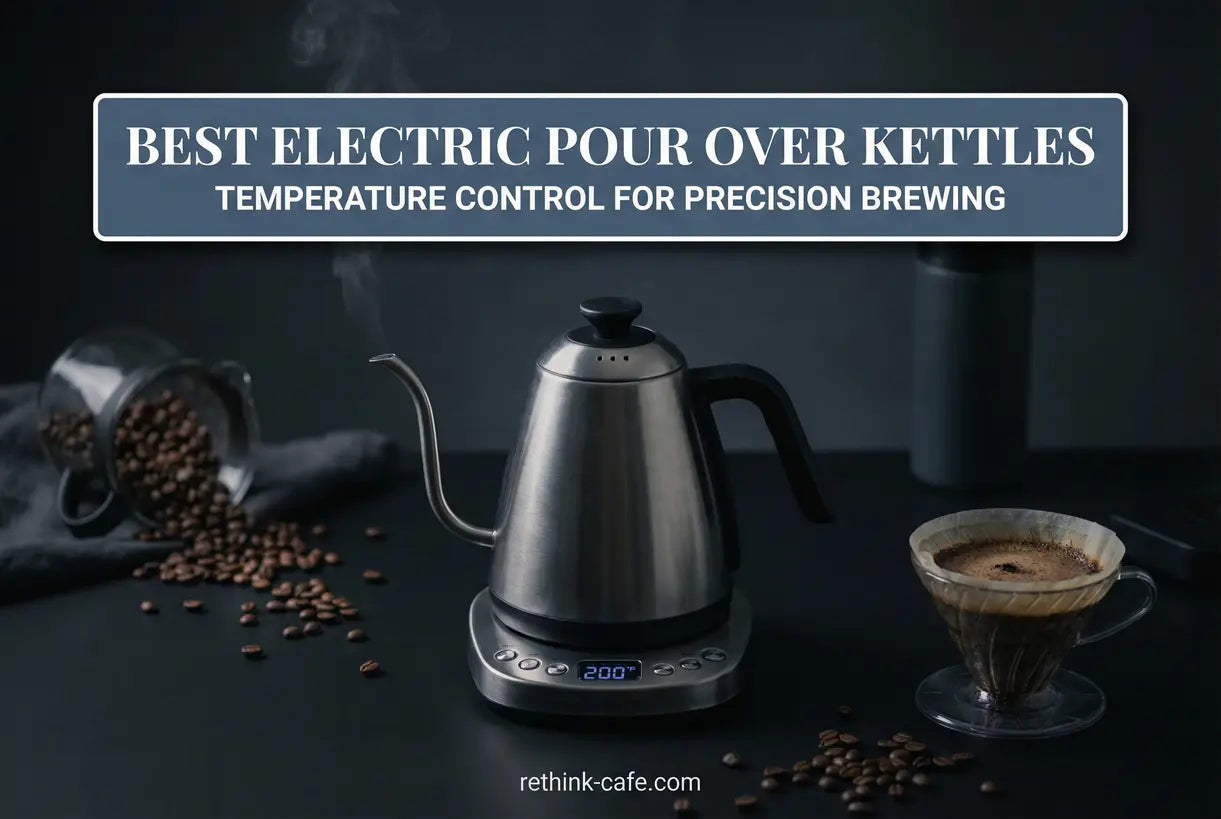
Achieving café-quality pour-over coffee at home hinges on one critical variable that most standard kitchen appliances ignore: precise temperature control. While your grandmother's kettle might boil water adequately, brewing specialty coffee requires the exactitude that only a purpose-built electric pour over kettle can deliver. Water that's too hot scalds delicate light roasts; water that's too cool under-extracts nuanced single origins, leaving you with flat, uninspiring cups.
The difference between good and exceptional pour-over coffee often comes down to single-digit degree variations. Whether you're dialling in a floral Ethiopian Yirgacheffe or a chocolatey Brazilian Santos, mastering your brewing temperature unlocks flavor dimensions that remain inaccessible with guesswork heating. In this guide, we'll explore how variable temperature kettles transform your morning ritual, what engineering features separate professional-grade equipment from basic models, and why investing in the right gooseneck kettle pays dividends in every cup you brew.

Why Temperature Precision Defines Pour-Over Excellence
Pour-over brewing operates on precise chemical principles. Coffee extraction involves dissolving soluble compounds from ground beans, and water temperature directly controls the rate and quality of this dissolution. The Specialty Coffee Association recommends brewing temperatures between 195°F and 205°F (90°C-96°C), but within this narrow band, different roasts respond dramatically to subtle variations.
Light roasts generally benefit from higher temperatures—around 200°F to 205°F—to penetrate dense cell structures and extract bright acidity and complex fruit notes. Dark roasts, already fractured by extended roasting, require gentler handling between 195°F and 200°F to avoid over-extraction and bitter, ashy flavors that mask their caramelized sweetness. A basic kettle offering only "boil" and "off" settings forces you to guess cooling times or settle for suboptimal extraction.
This is where temperature control kettle technology becomes non-negotiable for serious home baristas. Digital displays showing real-time readings, hold functions maintaining set temperatures for hours, and degree-level accuracy eliminate the variables that plague manual thermometers or waiting for rolling boils to subside. When you can set your Gooseneck Electric Kettle with Temperature Control to exactly 201°F and maintain it through your entire brewing session, you gain consistency impossible with conventional equipment.
The Engineering Behind the Gooseneck Spout
The distinctive elongated, curved neck of pour-over kettles serves functional purposes beyond aesthetics. Gooseneck kettle design creates laminar flow—smooth, uninterrupted water streams that prevent turbulence and agitation during pouring. This controlled delivery proves essential for techniques like the spiral pour or pulse pouring, where you want to saturate grounds evenly without disturbing the coffee bed.

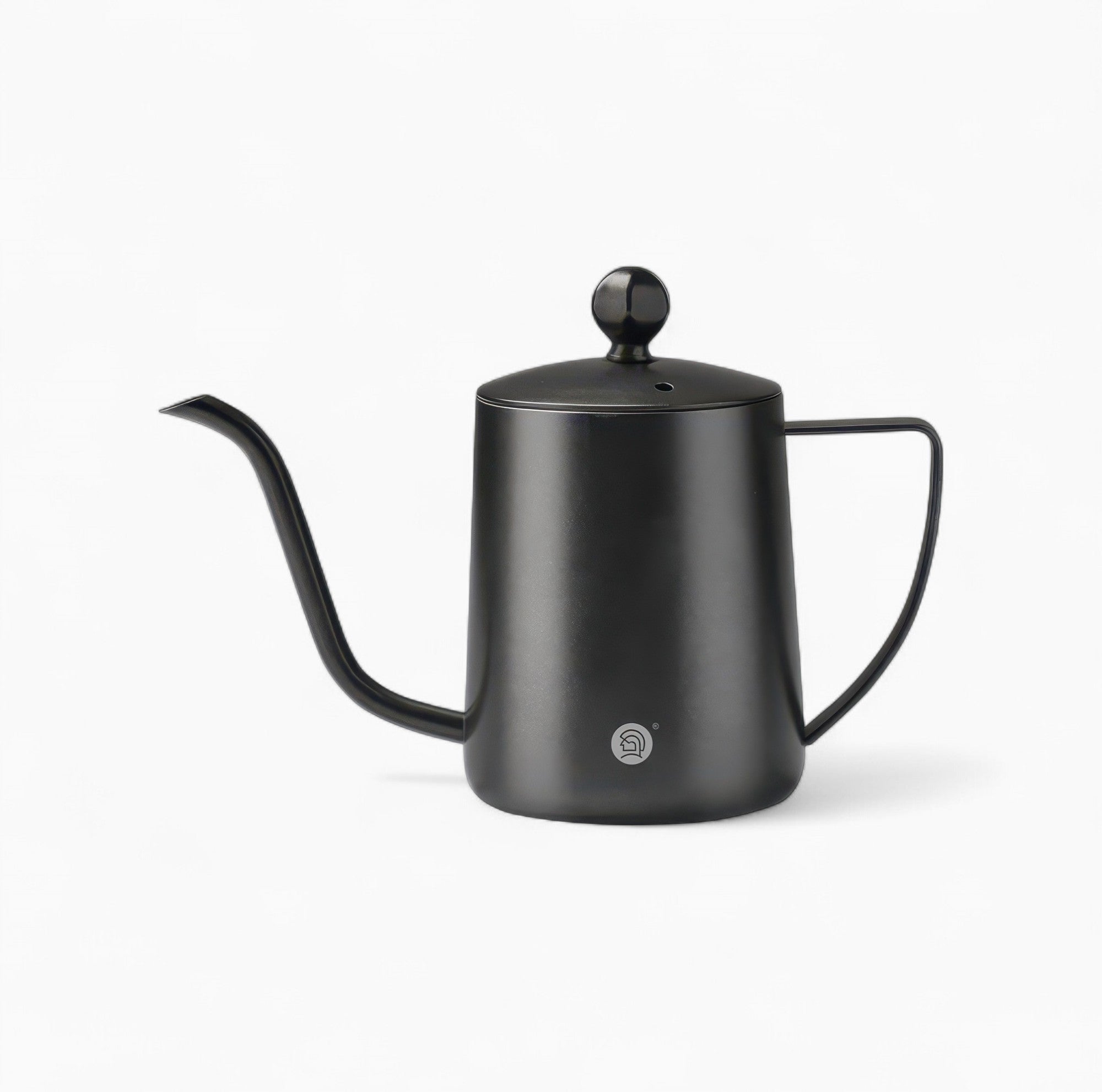
Variable flow control allows you to adjust pouring speed mid-brew, extending bloom phases for fresh coffee or increasing flow during the main pour for faster extractions. The Stainless Steel Gooseneck Kettle for Pour Over Coffee exemplifies this engineering with its handleless minimalist design that places your grip closer to the pour point, offering tactile feedback and enhanced maneuverability during intricate pouring patterns.
Essential Features of Professional-Grade Electric Kettles
When evaluating the best electric kettle for pour over brewing, several technical specifications separate exceptional tools from mediocre appliances:
- Degree-Level Accuracy: Look for systems offering single-degree adjustment rather than preset jumps. This granularity lets you fine-tune for specific bean densities and roast profiles.
- Hold Functionality: Premium models maintain your target temperature for 30-60 minutes after reaching setpoint, crucial for brewing multiple cups or extended bloom phases.
- Rapid Boil Capability: While speed matters less than precision, 1200W+ heating elements reduce wait times between cups when entertaining guests.
- Flow Rate Consistency: The spout aperture determines maximum and minimum flow rates. Narrower openings suit meticulous single-cup brewing; slightly wider spouts accommodate larger batch pour-overs.
Pro Tip: Always verify that your kettle's temperature readings are calibrated correctly. Boil water and check against a certified thermometer. Even high-end units can drift ±2°F over time, affecting extraction consistency.
The Gooseneck Electric Kettle with Temperature Control addresses these demands through six precision presets optimised for different brewing styles, paired with a real-time digital display that removes uncertainty from your workflow. Its built-in timer function further streamlines your station, eliminating the need for separate brewing timers.
Temperature Guidelines for Different Coffee Profiles
Understanding how specific temperatures interact with coffee chemistry elevates your brewing from routine to ritual. Reference this guide when setting your electric gooseneck kettle:
| Coffee Type | Optimal Temperature | Extraction Characteristics |
|---|---|---|
| Light Roast (High Density) | 203°F - 205°F (95°C-96°C) | Maximum acidity, floral aromatics, tea-like clarity |
| Medium Roast | 200°F - 203°F (93°C-95°C) | Balanced sweetness, caramel notes, rounded body |
| Dark Roast | 195°F - 200°F (90°C-93°C) | Reduced bitterness, chocolate depth, smoky finish |
| Decaf/Older Beans | 205°F - 208°F (96°C-97°C) | Compensates for degraded solubility, enhances body |
These aren't rigid rules but starting points for exploration. The Gooseneck Pour Over Kettle 304 Stainless Steel 350ml with its patented 90-degree vertical flow spout excels at executing these precise temperature protocols, particularly for single-cup brewing where its compact 350ml capacity eliminates water waste and heating delays.

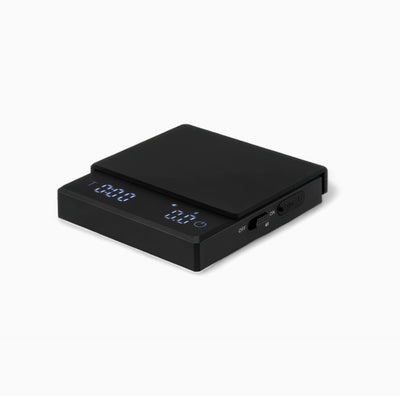
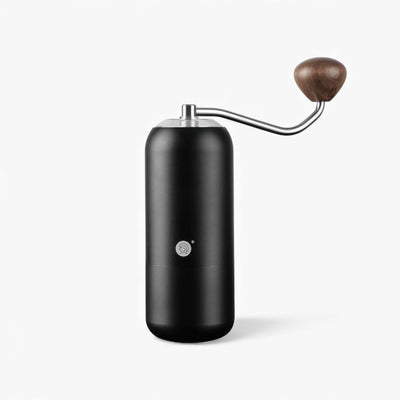
For a detailed comparison of complete brewing setups including drippers, scales, and complementary accessories, explore our comprehensive guide to selecting the perfect pour over coffee set.

Comparing Build Quality and Design Philosophy
Investment-grade variable temperature kettle construction typically utilises 304 food-grade stainless steel for the vessel interior, resisting corrosion and flavour contamination while offering excellent thermal retention. Exterior finishes range from matte powder-coatings that resist fingerprints to mirror-polished surfaces that complement modern kitchen aesthetics.
Ergonomics significantly impact daily use. Handle placement affects wrist strain during extended pouring sessions, while base stability prevents tipping during enthusiastic brewing. The handleless design of premium models like the Stainless Steel Gooseneck Kettle represents an evolution in form following function—by eliminating the traditional handle entirely, the kettle achieves better thermal balance and more intuitive pouring angles.
Consider your counter space and brewing volume when selecting capacity. While 1-liter units suit entertaining or multi-cup households, 350ml to 600ml options reduce heating time for solo drinkers and minimise thermal mass that might cool between pours.

Gooseneck Electric Kettle with Temperature Control
$138.90 $255.00
Precision temperature control with 6 presets for perfect pour-over brewing. Features real-time digital display and built-in timer.
Explore ProductThe Economic Argument for Precision Equipment
Quality temperature controlled kettle systems range from approximately $50 for entry-level models to $200+ for connected smart kettles with app integration. While budget options provide basic temperature selection, they often lack hold functions, precise sensors, or durable construction that withstands daily use.
Consider the cost-per-cup analysis: a $120 kettle used daily for five years costs roughly six cents per use. Given that temperature inconsistency ruins expensive specialty beans far more frequently than this, the investment protects your ongoing coffee expenditure while delivering consistently superior results. Furthermore, professional-grade kettles typically outlast three to four budget units, making them economically advantageous long-term.
The Gooseneck Electric Kettle with Temperature Control occupies the sweet spot between luxury pricing and professional functionality, offering preset programming and real-time monitoring typically reserved for premium competitors.
Alternative Pour-Over Solutions

Stainless Steel Gooseneck Kettle for Pour Over Coffee
$79.90
$150.00
Handleless minimalist design with narrow gooseneck spout for controlled pouring. Durable stainless steel for daily brewing. Learn more ➔

Gooseneck Pour Over Kettle 304 Stainless Steel 350ml
$47.90
$83.00
Patented 90-degree vertical flow spout for precise pouring. Food-grade 304 stainless steel with heat-insulated anti-scald handle. Learn more ➔
Maintenance Note: Descale your electric kettle monthly using citric acid or commercial descalers to maintain heating efficiency and prevent mineral buildup that can affect temperature sensor accuracy. This simple practice extends equipment lifespan significantly.
Research from Serious Eats indicates that temperature consistency rivals grind quality as a predictor of extraction quality, reinforcing why serious home baristas prioritize this equipment category. Similarly, testing methodology published by Wirecutter demonstrates that kettle spout geometry affects flow rate consistency more than user technique alone.
Conclusion: Precision as the Pathway to Coffee Mastery
Transitioning from approximate brewing to temperature-accurate pour-over preparation represents the most significant upgrade available to home baristas short of investing in commercial espresso equipment. The electric pour over kettle eliminates the largest uncontrollable variable in manual brewing, transferring consistency from chance to certainty.
Whether you prioritise the programmable convenience of the Gooseneck Electric Kettle with Temperature Control, the minimalist precision of the Stainless Steel Gooseneck Kettle, or the compact efficiency of the 350ml Gooseneck Pour Over Kettle, Rethink Cafe curates equipment that transforms your coffee ritual into a precise, repeatable craft.
Visit rethink-cafe.com to explore our complete collection of pour-over brewing equipment, scales, and accessories designed for enthusiasts who refuse to compromise between convenience and quality.
Frequently Asked Questions about Electric Pour Over Kettles
The best electric kettle for pour-over coffee combines precise temperature control (to the degree), a gooseneck spout for controlled pouring, and a hold function to maintain temperature throughout brewing. Models featuring real-time digital displays and programmable presets offer the greatest consistency for specialty coffee preparation.
Yes, a dedicated pour-over kettle is worth the investment for anyone serious about manual brewing. The gooseneck spout provides flow control impossible with standard kettles, while temperature precision eliminates extraction inconsistencies. When specialty beans cost $20-40 per bag, protecting that investment with proper brewing equipment makes economic sense.
Boiling milk in electric kettles damages the appliance and creates safety hazards. Milk proteins scorch onto heating elements, creating bacterial breeding grounds and burnt flavors that contaminate future water boils. Additionally, milk foam can clog vents and cause pressure buildup. Kettles are engineered for water; milk requires vessels with constant stirring capability and lower temperature thresholds.
When travelling, use a portable induction cooktop with a small saucepan to heat milk gently with constant stirring, or utilise hotel room coffee makers to heat water for instant milk powder. Dedicated travel milk frothers with temperature controls offer safer alternatives to electric kettles, heating milk to optimal temperatures (140°F-150°F) without scalding risks.
The best temperature control features degree-level accuracy (±1°F), rapid heating elements that reach set points quickly without overshooting, and hold functions maintaining temperature for extended periods. Look for kettles with PID controllers—the same technology used in espresso machines—which constantly adjust power to maintain precise temperatures rather than cycling on/off.