
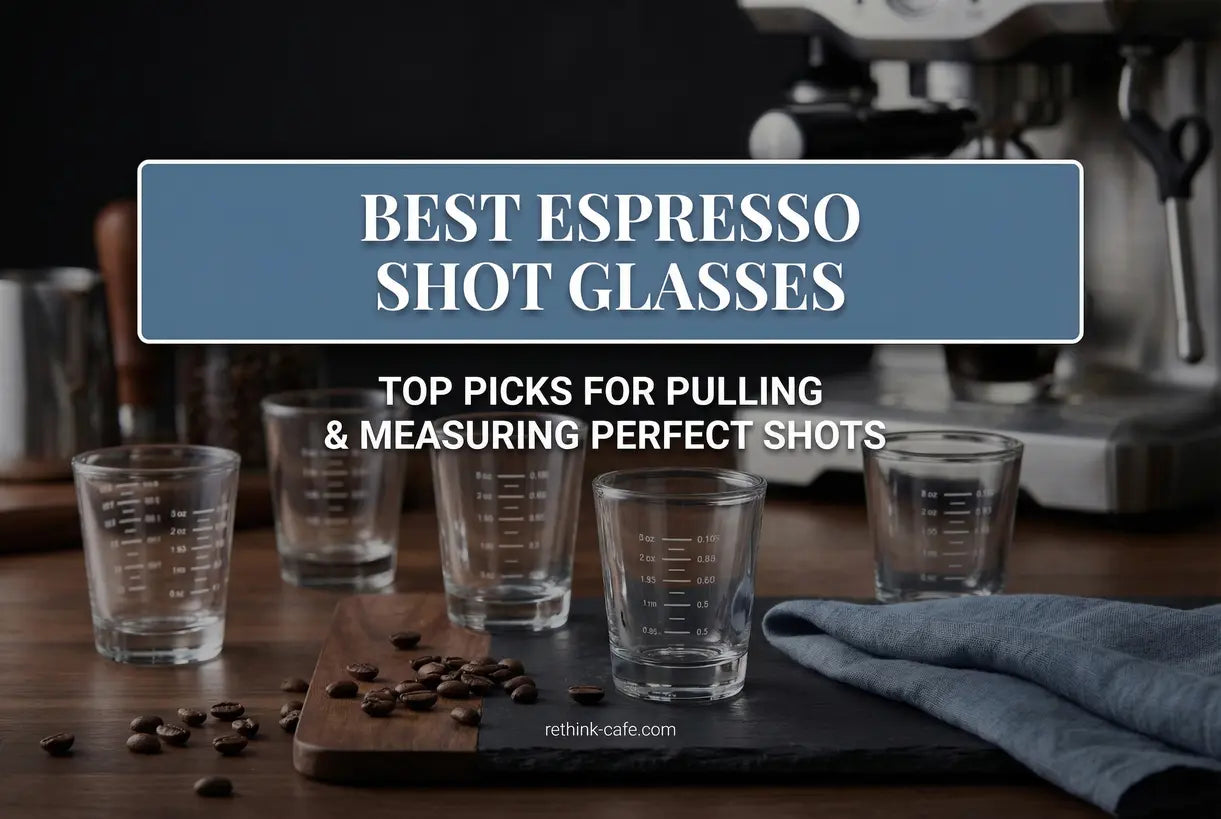
Pulling the perfect espresso shot at home requires more than just quality beans and a capable machine. Home baristas who take their craft seriously know that precision measurement and visual monitoring are the keys to consistency. This is where the right espresso shot glasses become essential tools in your brewing arsenal—not just as vessels to hold your coffee, but as critical instruments for tracking extraction volume, flow rate, and crema development in real time.
Whether you're dialing in a new roast, troubleshooting channeling issues, or simply trying to hit that elusive 2:1 ratio every single time, investing in purpose-built shot glasses with measurement markings transforms guesswork into accuracy. In this guide, we'll explore the best options available for home espresso enthusiasts and explain exactly what features separate premium shot glasses from ordinary alternatives.
Why Espresso Shot Glasses Are Essential for Home Baristas
Unlike standard demitasse cups or ceramic espresso cups, dedicated shot glasses serve a functional purpose that directly impacts your ability to craft consistent espresso. Here's what makes them indispensable:
- Visible extraction volume: Clear borosilicate glass lets you monitor exactly how much espresso is flowing during the pull
- Measurement markings: Etched or printed scales in milliliters and ounces eliminate guesswork
- Crema analysis: Transparent walls reveal color gradients and texture changes as your shot develops
- Thermal shock resistance: Quality borosilicate shot glass construction withstands sudden temperature changes from hot espresso
- Flow rate tracking: Watching the liquid level rise helps you identify channeling or uneven extraction
When you can't see what's happening inside your cup, you're essentially brewing blind. For anyone serious about home espresso, this visibility becomes a non-negotiable feature that accelerates your learning curve and produces better results faster.

Key Features to Look for in Espresso Measuring Glasses
Not all espresso shot glasses are created equal. The best options share specific characteristics that enhance both durability and functionality:
Borosilicate Glass Construction
The material choice matters significantly. Borosilicate glass offers superior thermal shock resistance compared to standard soda-lime glass. When fresh espresso at 195-205°F hits the glass, cheaper materials can crack or shatter. Borosilicate's molecular structure handles these extreme temperature swings, making it the preferred choice for espresso extraction tools.
Dual-Unit Measurement Markings
Look for shot glasses that display both milliliters and ounces simultaneously. While many espresso recipes reference ratios, the actual output depends on your preference for metric or imperial units. Dual markings eliminate conversion errors and speed up your workflow when adjusting grind size or dose.
Appropriate Capacity Range
The standard size of an espresso shot glass typically falls between 2 to 3 ounces (60-90mL). This accommodates both single shots (approximately 1 ounce) and double shots (2-2.5 ounces) with enough headspace to prevent overflow during extraction.

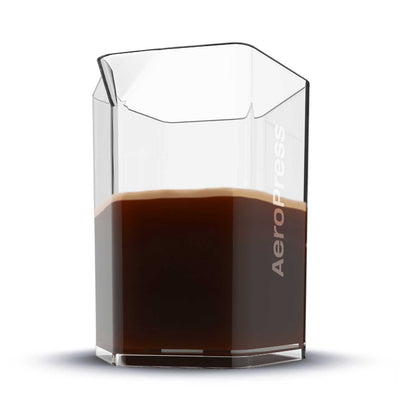


60mL Borosilicate Glass Espresso Shot Cup with Scale
$12.90 $22.00
Hand-blown borosilicate shot cup with dual OZ and mL markings for precise extraction measurement at home.
Explore ProductUnderstanding the 2:1 Ratio and Shot Capacity
One of the most common questions among home baristas concerns the 2:1 rule for espresso. This ratio refers to output versus input—meaning you extract twice the weight of espresso as the weight of dry coffee grounds used. For example, an 18-gram dose should yield approximately 36 grams of liquid espresso.
While scales provide the most accurate ratio measurement, espresso shot glasses with clear markings allow you to approximate this ratio quickly during your morning routine. A properly sized espresso measuring glass displays the graduated volume that corresponds to these weight targets, helping you identify when your shot is running long (over-extracted) or short (under-extracted) without needing to weigh every single pull.
Understanding these capacity standards helps you select the right vessel for your brewing style. Single-origin enthusiasts often pull longer ratios (2.5:1 or 3:1), while traditional Italian-style shots stick closer to 1.5:1 or 2:1. Your shot glass capacity should accommodate your preferred range without running out of room.

Recommended Tools for Precise Extraction

Borosilicate Espresso Shot Glass with Scale Markings
$14.90
$38.00
Premium borosilicate shot glass with precise ml and oz markings, handles thermal shock from fresh espresso extraction. Learn more ➔

Black Warrior M2 Espresso Scale with Flow Detect
$57.90
$97.00
Precision espresso scale with automatic flow detection and three smart brewing modes for dialing in perfect shots. Learn more ➔
Visual Extraction and Crema Monitoring
Clear espresso shot glasses serve another critical function: they let you observe the actual quality of your extraction as it happens. When espresso flows properly, you should see a thick, golden-brown stream with the consistency of warm honey. If your shot is channeling—where water finds a path of least resistance through the puck rather than extracting evenly—you'll observe thin, blonde streaks or spitting instead of a uniform stream.
The crema that forms on top of a well-extracted shot provides visual cues about freshness and grind quality. Freshly roasted beans produce a rich, persistent crema with a reddish-brown hue. Stale coffee or improper grind settings result in thin, pale crema that dissipates quickly. Using a transparent espresso measuring glass allows you to evaluate these indicators in real-time and make immediate adjustments to your technique.
For the ultimate precision workflow, consider pairing your shot glass with a dedicated espresso scale with flow detection. This combination gives you both visual feedback from the glass and precise weight measurements that help you fine-tune variables like grind size, tamp pressure, and extraction time.

Dialing In Made Simple: The Role of Flow Detection Scales
While espresso shot glasses with scale markings provide excellent visual reference, pairing them with modern flow detection technology takes your consistency to the next level. Scales equipped with automatic flow detection can identify when espresso starts flowing and automatically time your extraction from the first drop.
This feature is particularly valuable when you're working with new beans or adjusting to seasonal changes in humidity that affect extraction speed. Instead of manually starting a timer and potentially introducing human error, the scale recognizes the moment extraction begins and tracks your flow rate throughout the entire pull.
Some home baristas prefer double wall espresso cup options for serving, but these should complement—not replace—your measurement glasses. Use the clear shot glass during the dialing-in process, then transfer to an insulated double-walled cup for drinking if temperature retention is a priority.
Conclusion
Selecting the right espresso shot glasses elevates your home barista setup from amateur to professional-grade precision. The combination of borosilicate durability, clear measurement markings, and appropriate capacity creates a tool that improves every aspect of your espresso workflow—from identifying extraction issues to maintaining consistent ratios day after day.
At Rethink Cafe, we understand that great espresso is built on small details and reliable equipment. Whether you're just beginning your home espresso journey or refining an established routine, the right measurement tools eliminate variables and put control back in your hands. Browse our collection of precision espresso shot glasses and companion tools to discover the difference that quality equipment makes in every cup.
Frequently Asked Questions about Espresso Shot Glasses
While standard shot glasses can technically hold espresso, they lack the features that make dedicated espresso shot glasses valuable for home baristas. Purpose-built espresso measuring glasses are made from borosilicate glass for thermal shock resistance, include measurement markings for tracking extraction volume, and are sized appropriately for single and double shots (2-3oz capacity). Standard shot glasses are often too small, lack visibility features, and may crack under thermal stress from hot espresso.
The 2:1 rule refers to the brew ratio in espresso preparation, where you extract twice the weight of liquid espresso compared to the dry coffee dose used. For example, if you use 18 grams of ground coffee, you should aim for approximately 36 grams of espresso output. This ratio serves as a common starting point for achieving balanced extraction, though modern espresso styles often use ratios ranging from 1.5:1 (ristretto) to 3:1 (lungo) depending on the beans and desired flavor profile.
Espresso can affect stomach sensitivity differently depending on the individual. While espresso contains less total caffeine than a full cup of drip coffee, it's concentrated and consumed quickly. The high acidity in some espresso roasts may cause discomfort for people with acid reflux or sensitive stomachs. However, espresso's shorter extraction time actually pulls fewer of the compounds that can irritate the stomach compared to longer brewing methods. Using darker roasts, adding milk, or consuming espresso with food can help reduce potential digestive irritation.
Italians traditionally serve espresso in small ceramic cups called demitasse cups, typically holding 2-3 ounces (60-90mL). These thick-walled ceramic cups help maintain the espresso's temperature and preserve the crema. The classic Italian espresso cup has a rounded interior that helps concentrate the aromatics and is usually white porcelain to showcase the coffee's color. While Italians emphasize the serving vessel's thermal properties, home baristas focused on extraction quality often prefer clear shot glasses during the brewing process before transferring to traditional cups.
The standard size for an espresso shot glass ranges from 2 to 3 ounces (approximately 60-90mL). This capacity accommodates both single shots (about 1oz/30mL) and double shots (2-2.5oz/60-75mL) with enough headspace to prevent overflow. High-quality shot glasses designed for espresso typically feature graduated markings showing both milliliters and ounces, allowing precise measurement of extraction volume. For home baristas pulling modern espresso styles with larger ratios, 3-ounce capacity glasses provide the flexibility needed for various brewing parameters.


