

Conical Burr Coffee Grinder with 30 Grind Settings
$79.99
Unlock consistent extractions with 30 precision grind settings, from espresso-fine to French press-coarse. Features a digital display and airtight 8.8 oz hopper for fresh beans every morning.
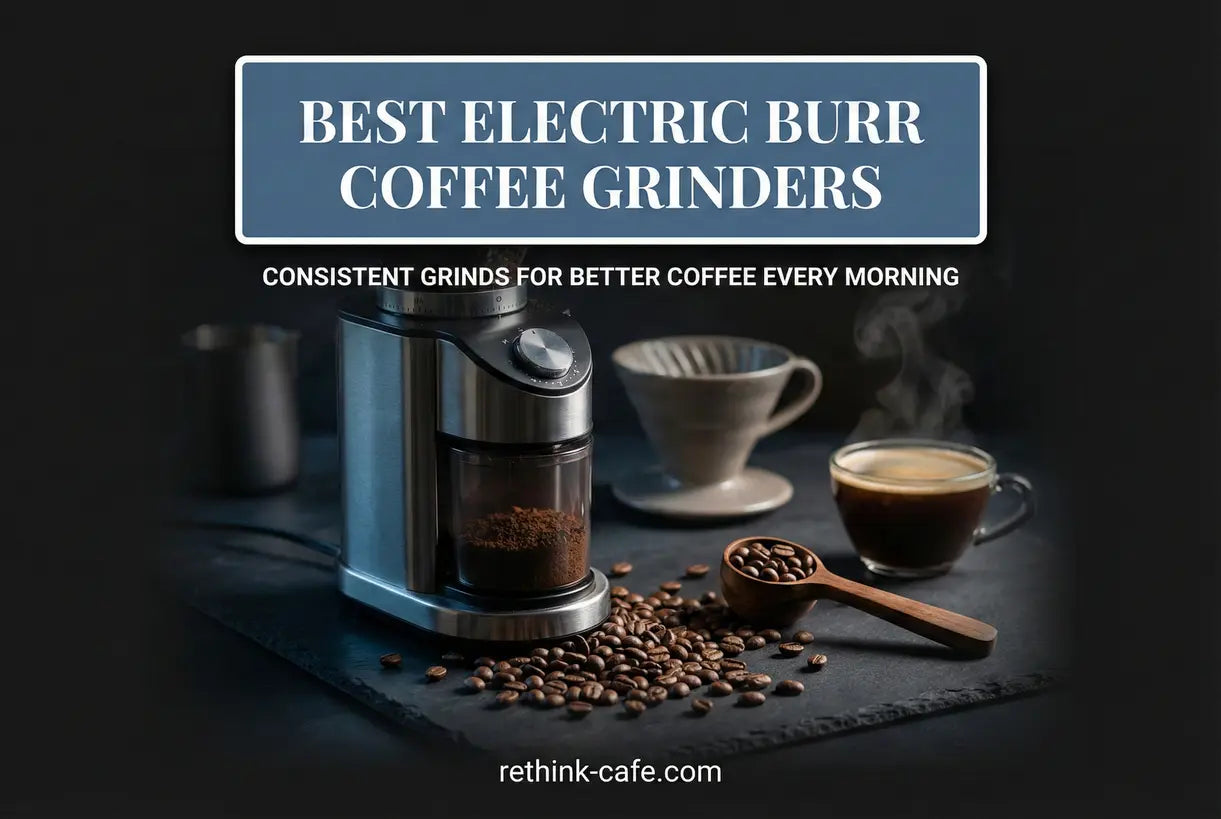
Explore ProductFinding the best electric burr coffee grinder can transform your morning ritual from mundane to magnificent. Whether you're pulling espresso shots or brewing pour-over, grind consistency determines extraction quality, flavor clarity, and the overall character of your cup. Many home baristas discover that their biggest brewing breakthrough comes not from a new machine, but from upgrading to a precision electric burr coffee grinder that delivers uniform particle size every single time.
At Rethink Cafe, we've spent years testing conical burr electric coffee grinder models across every price point. We understand the frustration of channeling in espresso caused by inconsistent grounds, or the bitter, over-extracted pour-over that results from boulder-sized particles mixed with dust. The right burr coffee grinder eliminates these variables, giving you control over the variables that actually matter.

Why Grind Consistency is the Foundation of Great Coffee
Coffee extraction follows simple chemistry: water pulls soluble compounds from ground beans. When particle sizes vary dramatically, water extracts unevenly—over-extracting fines while under-extracting larger chunks. This creates muddled flavors, harsh bitterness, and a lack of the nuanced sweetness that defines specialty coffee.
An electric burr grinder crushes beans between two abrasive surfaces rather than slicing them with blades. This crushing action produces uniform particles with minimal heat transfer, preserving volatile aromatics that blade grinders destroy through friction. The result is cleaner cups with defined acidity, balanced body, and the subtle flavor notes that justify investing in specialty beans.
For home baristas serious about espresso, consistency becomes even more critical. Espresso brewing occurs under high pressure in 25-30 seconds, leaving no margin for error. Uneven grinds create channeling, where water finds paths of least resistance, producing thin, sour shots that lack crema. A quality conical burr electric coffee grinder eliminates these frustrations through mechanical precision.
Burr vs Blade: Why Electric Burr Grinders Win Every Time
Blade grinders chop beans with a rapidly spinning propeller-like blade. Imagine trying to dice vegetables by dropping them onto a spinning ceiling fan—some pieces become dust while others remain chunks. This particle distribution disaster ruins extraction before water even hits the grounds.
Burr grinders, conversely, funnel beans between two cutting surfaces set at a precise distance. One burr remains stationary while the other rotates, shearing beans into uniform particles sized according to the gap between burrs. Pass after pass, the mechanism produces consistent results impossible to achieve with blades.
The thermal advantage matters too. Blade grinders generate significant heat through high-speed friction, essentially pre-cooking volatile oils and aromatics before brewing. Burr mechanisms operate at lower speeds with larger surface areas, keeping beans cool through the grinding process. For anyone serious about flavor clarity, the electric burr grinder isn't just better—it's essential.
Conical vs Flat: Understanding Burr Geometry
Not all burr configurations perform identically. Understanding the distinction between conical and flat burr grinders helps you select equipment matched to your brewing preferences.
Conical burr grinders feature a cone-shaped center burr nested inside an outer ring burr. Beans feed from above and exit through the sides after passing through the narrowing gap. This geometry produces a bimodal particle distribution—meaning two dominant particle sizes—favored by espresso enthusiasts. The micro-fines produced help slow extraction and build pressure resistance, crucial for 9-bar espresso brewing.

Flat burr grinders sandwich beans between two horizontally-aligned disc-shaped burrs. The parallel cutting surfaces produce more unimodal distributions with fewer fines. This uniformity excels for pour-over and drip brewing, where clarity and tea-like transparency matter. However, flat burrs typically demand higher motor speeds, generate more heat and noise, and command higher price points.
For most home users, a quality conical burr grinder offers superior versatility across brewing methods while maintaining quieter operation and easier cleaning. The particle distribution research from coffee science publications confirms that conical geometries provide excellent results for both espresso and filter brewing when paired with the right adjustment range.

How to Choose the Best Electric Burr Coffee Grinder for Your Brewing Style
Selecting the right electric burr coffee grinder requires matching specifications to your actual brewing habits. Consider these variables before investing.
Espresso Precision Requirements
Espresso demands stepless or micro-adjustable grind settings. Standard step adjustments of 10-20 microns often prove too large for dialing in shots, leaving you between "too fast" and "choked." Look for conical burr electric coffee grinder models offering 30 or more distinct settings, or preferably stepless adjustment rings for infinite fine-tuning.
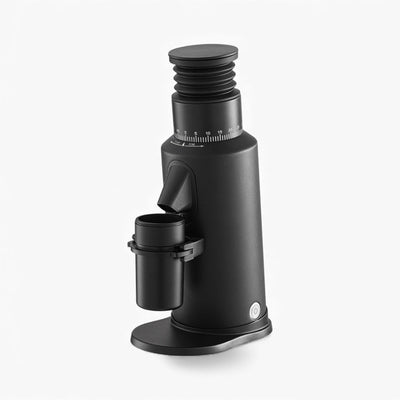
The Conical Burr Coffee Grinder with 30 Grind Settings addresses this need specifically. With 30 precision grind settings ranging from espresso-fine to French press-coarse, this unit eliminates the compromise typically forced upon home baristas. The digital display removes guesswork from adjustment, while the airtight 8.8 oz hopper preserves bean freshness between grinding sessions—critical when you're dialing in single-origin espressos that cost $20+ per bag.
Pour-Over and Drip Versatility
Filter brewing methods prove more forgiving than espresso, but consistency still matters. Pour-over enthusiasts should prioritize grinders producing minimal fines to prevent clogging paper filters and stalling draw-downs. Drip coffee makers benefit from medium-fine grinds that extract optimally during the 4-6 minute brew cycle.
For those upgrading from blade grinders or entry-level hand grinders, the Conical Burr Coffee Grinder with 25 Grind Settings represents a significant leap forward. Featuring CNC-machined stainless steel conical burrs and a powerful 150W motor, this compact unit delivers uniform grounds suitable for drip, pour-over, and moka pot brewing. The 25 adjustable settings provide sufficient granularity for most filter methods without overwhelming users with espresso-specific micro-adjustments they'll never use.

Travel and Secondary Grinding Needs
Even with a primary grinder, situations arise requiring portability. Hotel rooms, camping trips, or office desks demand grinding solutions that don't sacrifice quality for convenience. Traditional electric units require wall outlets and counter space unavailable in these contexts.
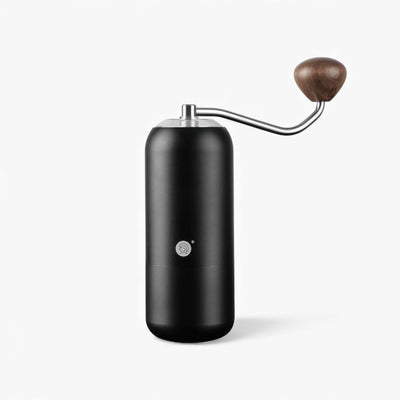
The Portable Electric Coffee Grinder with Conical Burrs solves this challenge through engineering innovation. Rechargeable via USB-C and powered by an 800mAh battery, this unit processes 15g of beans in 60 seconds—enough for a single pour-over or AeroPress serving. The whisper-quiet brushless motor won't disturb hotel neighbors or office colleagues, while the CNC-machined conical burrs match the precision of countertop units twice the size.
Budget Reality: How Much Should You Spend?
The electric burr grinder market spans from $75 entry-level models to $2,000+ commercial units. For home enthusiasts, the sweet spot sits between $150-$300, where you find precision-machined burrs, adequate motor torque, and build quality that survives daily use.
Budget options under $100 often use false burrs—stamped metal components that crush rather than cut—or plastic gears that strip under load. These prove false economies when replacement becomes necessary within 12 months. Conversely, enthusiast-grade grinders exceeding $500 offer marginal improvements in grind speed and retention that home users rarely notice.
When weighing cost against capability, prioritize burr quality over secondary features. Stainless steel conical burrs outperform ceramic in longevity and cutting precision. Motors rated above 100W handle light roasts without bogging down—a common failure point in cheaper units attempting to process dense, high-altitude beans.
Precision Grinding Solutions for Every Brewing Style

Conical Burr Coffee Grinder with 25 Grind Settings
$74.99
$89.99
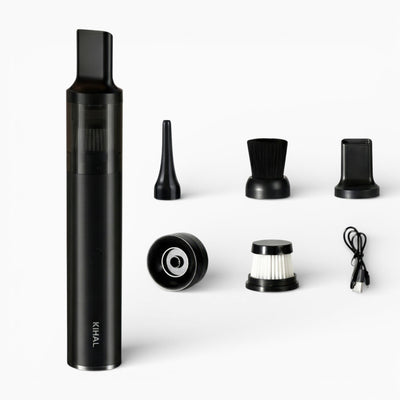
Upgrade from blade grinders with stainless steel conical burrs and 25 adjustable settings. Compact, powerful 150W motor delivers uniform grounds for drip, pour-over, and moka pot brewing. Learn more ➔

Portable Electric Coffee Grinder with Conical Burrs
$162.90
$319.90
Take precision grinding anywhere with CNC-machined stainless steel conical burrs and whisper-quiet brushless motor. Rechargeable 800mAh battery powers through 15g of beans in 60 seconds. Learn more ➔
Key Insight: Grind retention—the amount of coffee left inside a grinder after use—varies significantly between models. While commercial cafes prioritize zero-retention designs for flavor consistency between different beans, home users benefit from minimal retention to prevent stale grounds contamininating fresh batches. Look for units with easy-access burr chambers for cleaning every 1-2 weeks.
Maintaining Your Electric Burr Grinder for Peak Performance
Even the finest conical burr electric coffee grinder requires periodic maintenance to maintain performance. Coffee oils accumulate on burr surfaces, creating rancid flavors that contaminate fresh grounds. Dust from darker roasts packs into adjustment mechanisms, eventually seizing movement entirely.
Establish a cleaning routine every 30 days of regular use. Remove the hopper and upper burr (most units feature tool-free removal) and brush loose grounds with a dedicated grinder brush. Avoid water on burrs—it promotes rust on steel components. Instead, run grinder cleaning tablets or raw white rice through the mechanism to absorb oils from internal surfaces.
Calibration checks prove essential for espresso users. Over months of grinding, burrs can shift microscopically, changing the actual versus indicated grind size. Test your finest setting monthly by attempting to extract espresso—if shots run too fast despite being "dialed in," your burrs may need realignment or replacement.
Conclusion: Elevate Your Coffee Through Precision Grinding
The journey toward exceptional coffee at home inevitably leads to upgrading your grinding equipment. While brewing devices and beans matter, none perform optimally without consistent particle size. The electric burr coffee grinder represents the single most impactful investment a home barista can make—transforming ordinary beans into extraordinary cups through mechanical precision.
Whether you need the stepless adjustability of the Conical Burr Coffee Grinder with 30 Grind Settings, the versatile reliability of the Conical Burr Coffee Grinder with 25 Grind Settings, or the portable innovation of the Portable Electric Coffee Grinder with Conical Burrs, Rethink Cafe provides engineered solutions for every brewing context. Consistent grinds aren't just about better coffee—they're about reclaiming control over your morning ritual.
Frequently Asked Questions about Electric Burr Coffee Grinders
The best electric burr coffee grinder depends on your brewing method and budget. For versatility across espresso and filter brewing, look for models with 30+ grind settings, stainless steel conical burrs, and digital displays for precision. Units in the $150-$300 range typically offer the best balance of quality and value for home users, featuring durable construction and consistent particle distribution.
Yes. Burr grinders crush beans between two abrasive surfaces, producing uniform particle sizes essential for even extraction. Blade grinders chop beans randomly, creating dust mixed with coarse chunks that brew inconsistently. Additionally, burr grinders generate less heat, preserving volatile aromatics that blade friction destroys. For anyone serious about flavor clarity, burr grinders are essential equipment.
Conical burr grinders use a cone-shaped center burr nested inside a ring burr, producing a bimodal particle distribution favored for espresso. Flat burr grinders use parallel disc-shaped burrs, creating more uniform particles preferred for pour-over clarity. Conical models typically run quieter, generate less heat, and cost less than flat burr equivalents, making them ideal for home use across multiple brewing methods.
For home enthusiasts, expect to spend $150-$300 for a quality electric burr grinder with precision-machined steel burrs and adequate motor torque. Budget models under $100 often feature false burrs or weak motors that fail within months. Premium models exceeding $500 offer marginal improvements in speed and retention, but the $150-$300 range delivers 90% of the performance for residential use.
Yes, but only specific models designed for espresso precision. Espresso requires micro-adjustable grind settings (30+ steps or stepless adjustment) to dial in shots within the 25-30 second extraction window. Standard grinders with 10-20 settings often prove too limited. Look for electric burr grinders advertising espresso capability, featuring low-speed motors to prevent clumping and sufficient adjustment range to achieve the fine powder consistency required for 9-bar pressure brewing.


