Picture this: You've just finished pulling a perfect espresso shot, the crema glistening like liquid gold. Now you reach for the steam wand to texture milk for a cappuccino—and wait. And wait. Your single boiler espresso machine needs to heat up from brewing temperature to steaming temperature, a frustrating 30-60 second delay that breaks your rhythm and cools your patience along with your espresso.
This is the moment when serious home baristas discover the game-changing advantage of a dual boiler espresso machine. Unlike their single-boiler cousins, these sophisticated espresso machine boiler systems maintain independent brewing and steaming temperatures simultaneously. The result? You pull shots and steam milk at the exact same moment, achieving café-level workflow efficiency in your own kitchen.
In this comprehensive guide, we'll explore how these remarkable machines work, why they matter for your morning routine, and what separates the exceptional from the merely adequate. We'll also reveal which features truly impact your daily experience—and hint at the equipment ecosystem that can transform your home coffee bar into a true prosumer setup.
How Does a Dual Boiler Espresso Machine Work?
At the heart of every dual boiler system lies a beautifully simple engineering principle: dedicated heat. While a single boiler espresso machine must heat and cool a single water reservoir to manage both extraction and steam generation, a double boiler espresso machine houses two independent boilers working in perfect harmony.
The brew boiler maintains optimal extraction temperature—typically between 195°F and 205°F—ensuring your espresso grounds release their full spectrum of flavors. Meanwhile, the steam boiler stays ready at approximately 212°F-265°F, generating the dry, powerful steam necessary for microfoam creation. These boilers operate completely independently, meaning your brew temperature never fluctuates when you engage the steam wand, and vice versa.
This separation isn't just about convenience; it's about thermal stability and consistency. When you eliminate temperature variables between brewing and steaming phases, you gain the kind of repeatability that separates good espresso from transcendent espresso. For the home barista chasing that elusive café-quality shot, this stability is everything.

The Core Benefit: Simultaneous Brew and Steam Capability
The defining advantage of a dual boiler espresso machine isn't merely about saving time—it's about workflow transformation. When you can perform simultaneous brew and steam operations, you unlock a professional rhythm that fundamentally changes your relationship with espresso preparation.
Consider the traditional single-boiler workflow: extract espresso, wait for temperature transition, steam milk, pour. By the time you've finished steaming, your espresso has been sitting for 45-90 seconds, losing aromatics and settling in ways that impact the final cup. The crema begins to dissipate; the temperature drops; the vibrant notes fade.

With simultaneous capability, you steam milk while your espresso extracts. The timing synchronizes perfectly—you finish steaming at exactly the moment your shot completes. You pour into the freshest possible espresso, capturing every volatile aromatic compound. The result is a cappuccino or latte that rivals your favorite café's offering.
This workflow advantage becomes even more pronounced when preparing drinks for multiple people. A single boiler forces you into sequential preparation, with each drink taking 2-3 minutes. A dual boiler prosumer espresso machine lets you prepare multiple milk-based drinks efficiently, maintaining consistent quality from the first pour to the last.
Professional baristas have always operated this way. With a dual boiler system, you finally can too.
Dual Boiler vs Single Boiler: Understanding the Real Differences
When evaluating heat exchanger vs dual boiler and dual boiler vs single boiler configurations, it's essential to understand the hierarchy of espresso machine sophistication and what each level delivers.
Single Boiler Machines
Entry-level and mid-range home espresso machines typically utilize a single boiler design. They're affordable, compact, and capable of producing excellent espresso—just not simultaneously with steamed milk. The thermal transition time creates an unavoidable delay, and temperature surfing (purging water to cool the boiler) becomes a necessary skill.
Heat Exchanger Machines
Heat exchanger units represent a middle ground. A single boiler maintains steam temperature, while a copper tube (the heat exchanger) runs through it, bringing brew water to extraction temperature on demand. These machines can steam and brew simultaneously, but they introduce temperature variability based on idle time and usage patterns. They're popular among enthusiasts seeking simultaneous capability at lower price points.
Dual Boiler Systems
True dual boilers represent the pinnacle of home espresso technology. Independent boilers mean dedicated PID control for each circuit, absolute temperature stability, and the ability to adjust brew temperature independently from steam pressure. For users serious about espresso—particularly those exploring single-origin beans with specific extraction requirements—this granular control proves invaluable.
Essential Features in Premium Dual Boiler Machines
Not all dual boiler espresso machines are created equal. When researching the best options, prioritize these technical features that directly impact your daily experience:
PID Temperature Control
Proportional-Integral-Derivative controllers represent the gold standard for temperature management. Look for machines with PID temperature control on both boilers, allowing precise digital adjustment rather than analog approximation. The ability to adjust brew temperature in 1°F increments lets you dial in specific beans for optimal extraction.
E61 Group Head
The legendary E61 group head—named for its 1961 introduction by Faema—remains the industry standard for heat exchange within the group itself. Its thermosyphon system circulates water continuously, maintaining stable temperature at the point of extraction. Many premium dual boiler machines incorporate E61 groups for this proven thermal consistency.
Rotary vs Vibratory Pumps
While both pump types deliver the 9 bars of pressure necessary for espresso, rotary pumps operate quieter, last longer, and provide more consistent pressure profiles. They're standard in commercial equipment and increasingly common in high-end home dual boilers.
Plumbing Options
Many dual boiler machines offer direct water line connection (plumbed-in operation) alongside traditional reservoir operation. Plumbing eliminates reservoir monitoring and enables more consistent water pressure—worth considering if you're building a permanent home coffee station.
Is a Dual Boiler Worth the Investment?
The question of whether a double boiler espresso machine is worth it ultimately depends on your coffee habits, budget, and aspirations. Let's break down the economics and practical considerations.
The price gap between quality single-boiler and entry-level dual boiler machines typically ranges from $1,000 to $2,500. That's a significant investment—but consider the daily value proposition. If you prepare two milk-based drinks daily, a dual boiler saves approximately 90 seconds per drink in temperature transition time. Over a year, that's 18+ hours of waiting eliminated, not counting the frustration and quality degradation associated with sequential preparation.
More importantly, the thermal stability and control enable experimentation and learning that simply isn't possible with less sophisticated equipment. When you can isolate variables—adjusting brew temperature while maintaining consistent steam power—you develop a deeper understanding of extraction and how different beans respond to temperature variations. This educational dimension justifies the investment for many enthusiasts.

Additionally, quality dual boiler machines retain resale value exceptionally well. The espresso enthusiast community recognizes and seeks these units, meaning your investment holds value should you eventually upgrade or change directions.
Now that you understand the principles behind dual boiler performance, let's explore the complete ecosystem Rethink Cafe offers for those ready to embrace this level of home espresso excellence.
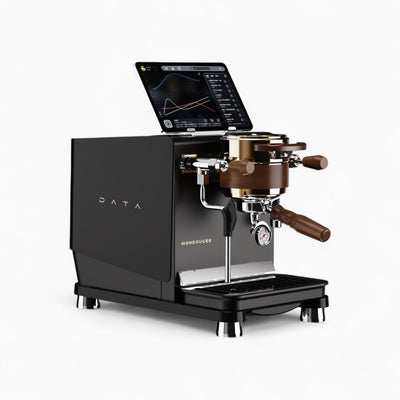

Wendougee Data S Dual Boiler Espresso Machine
$3,740.00 $3,840.00
Experience true café-level performance at home with dedicated stainless steel brew and steam boilers. Pull shots and steam milk simultaneously without waiting - the upgrade that transforms your espresso workflow.
Explore ProductThe Wendougee Data S Dual Boiler Espresso Machine represents the ideal entry point into serious dual-boiler performance. With dedicated stainless steel brew and steam boilers, you achieve simultaneous operation without compromise. The upgrade transforms your morning routine from a series of compromises into a fluid, professional workflow.
However, even the finest espresso machine boiler system requires supporting equipment to achieve its full potential. The thermal stability of a dual boiler demands grind consistency to match. Temperature precision at extraction means nothing if your particle distribution varies shot to shot.
Essential Equipment for Your Dual Boiler Setup

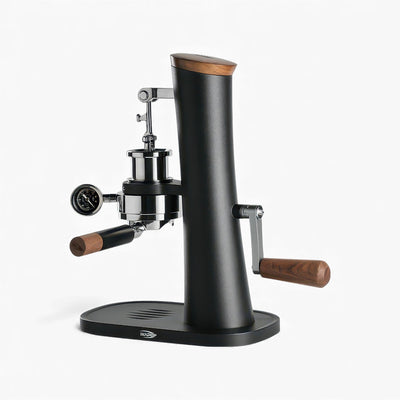
T64 Single Dose Coffee Grinder with 64mm Flat Burrs
$345.90
$356.00
Pair your dual boiler machine with this low-retention grinder featuring 64mm titanium-coated flat burrs. Achieve uniform particle distribution for extraction consistency that matches your machine's thermal stability. Learn more ➔

Barista Master Bundle Kit with Tamper and Distributor
$324.90
$382.00
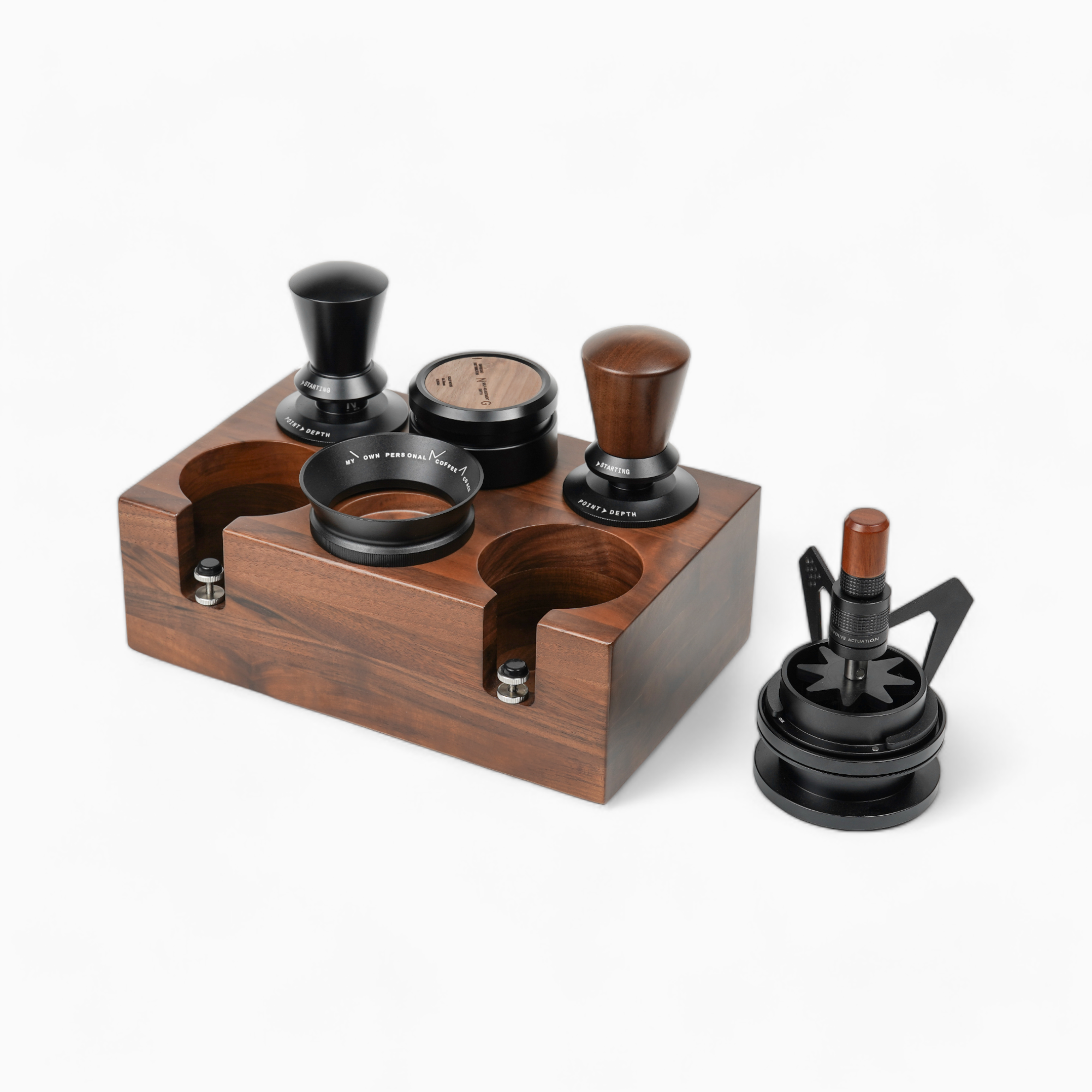
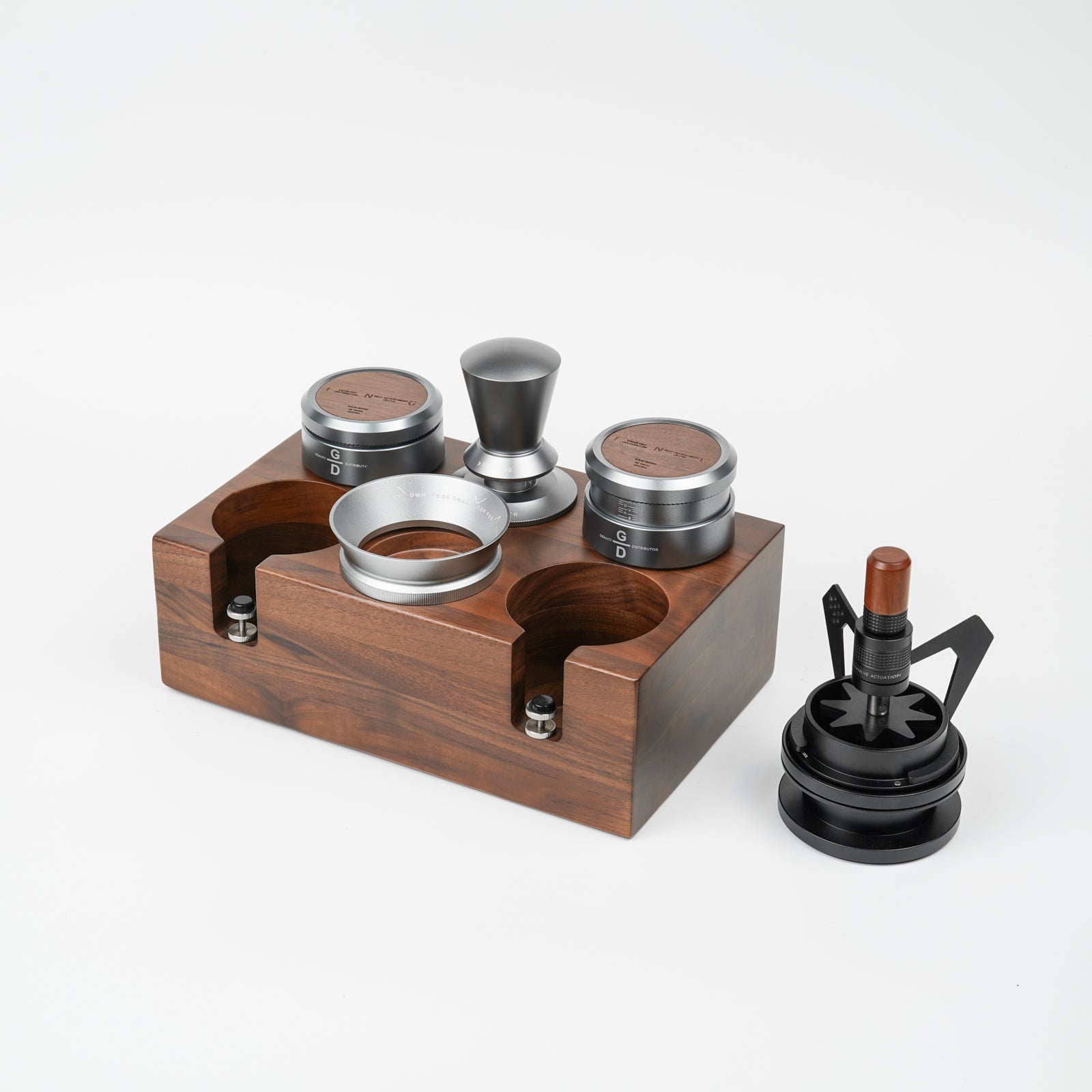
Complete your dual boiler setup with this professional workflow kit. Includes gravity distributor, adjustable tampers, and magnetic dosing ring - everything needed for perfect puck preparation before every shot. Learn more ➔
Pair your dual boiler investment with the T64 Single Dose Coffee Grinder with 64mm Flat Burrs. Its low-retention design and 64mm titanium-coated flat burrs deliver the uniform particle distribution your extraction demands. When your machine maintains perfect thermal stability, you need grind consistency that matches—shot after shot, day after day.
Then complete your workflow with the Barista Master Bundle Kit with Tamper and Distributor. The gravity distributor, adjustable tampers, and magnetic dosing ring ensure perfect puck preparation before every extraction. Your dual boiler eliminates waiting time; proper preparation tools eliminate inconsistency. Together, they create a professional system worthy of your morning ritual.
Understanding Maintenance for Dual Boiler Machines
Investing in a dual boiler espresso machine brings beautiful performance—but also new maintenance considerations compared to simpler systems. Understanding these requirements helps ensure longevity and consistent performance.
Daily maintenance includes purging residual water from steam wands, cleaning group head gaskets, and wiping portafilters. The dual boiler design actually simplifies some aspects—you'll purge less frequently than heat exchanger units since the steam boiler maintains constant pressure regardless of recent brewing activity.
Weekly routines involve backflushing with water and occasionally using espresso machine detergent to clean the brew path. Both boilers benefit from periodic descaling, though the frequency depends heavily on your water hardness. Many dual boiler owners invest in water filtration systems or direct plumbing with treated water to minimize scale buildup and protect their investment.
Annual servicing might include group head gasket replacement, steam valve inspection, and pressure gauge calibration. Quality machines from reputable manufacturers typically offer excellent parts availability and service documentation. The premium you pay for a prosumer espresso machine includes build quality that rewards proper maintenance with decades of service.
For authoritative guidance on espresso machine boiler maintenance and water chemistry, the Specialty Coffee Association provides comprehensive resources on optimal setup and care protocols.
Conclusion: Elevate Your Home Espresso Experience
The journey from a single boiler espresso machine to a true dual boiler system represents more than an equipment upgrade—it's a commitment to the craft of espresso preparation. You gain not just time savings and workflow efficiency, but the precision control necessary to explore the full potential of specialty coffee beans.
When you no longer wait for thermal transitions, when you can adjust brew temperature independently from steam power, when every extraction occurs at exactly the temperature you specified—you've entered the realm of serious home barista equipment. The question isn't really whether you can afford a dual boiler espresso machine; it's whether you can afford the ongoing frustration of working around thermal limitations.
At Rethink Cafe, we curate equipment that rewards your dedication to quality coffee. From advanced dual boiler machines to precision grinders and professional preparation tools, we provide the complete ecosystem for those ready to transform their home coffee routine into something exceptional. Because once you've experienced simultaneous brew and steam capability, there's simply no going back.
Ready to eliminate waiting, maximize flavor, and embrace the workflow of a professional barista in your own kitchen? Your perfect espresso awaits.
Frequently Asked Questions about Dual Boiler Espresso Machines
A dual boiler espresso machine contains two independent boilers: one dedicated to brewing espresso at approximately 195-205°F, and another dedicated to generating steam at 212-265°F. This separation allows both functions to operate simultaneously without temperature interference. When you pull a shot, water circulates through the brew boiler to the group head. When you steam milk, steam comes directly from the steam boiler. The two systems never compete for heat, eliminating the wait times required in single-boiler machines.
The primary benefit is simultaneous brew and steam capability, which transforms your workflow efficiency. Additional advantages include superior thermal stability with no temperature fluctuations during steaming, independent temperature control for both brewing and steaming functions, faster preparation of multiple milk-based drinks, and the ability to adjust brew temperature precisely for different coffee beans. For enthusiasts, these machines also offer greater consistency and repeatability, essential for dialing in the perfect extraction.
A double boiler espresso machine is worth the investment if you regularly prepare milk-based drinks, value workflow efficiency, and appreciate temperature precision. The time saved (30-60 seconds per drink by eliminating temperature transitions) adds up significantly over daily use. Additionally, the technical control enables better extraction quality and learning that isn't possible with simpler machines. However, if you drink mostly straight espresso and don't mind sequential preparation, a high-quality single boiler or heat exchanger may provide sufficient performance at a lower price point.
The Breville Dual Boiler represents one of the most accessible entry points into true dual boiler performance, offering PID temperature control, programmable pre-infusion, and simultaneous brew/steam capability at a price point lower than Italian prosumer alternatives. For users transitioning from entry-level machines, it delivers significant workflow improvement and extraction consistency. However, long-term durability and repairability differ from traditional espresso machine manufacturers. The value assessment depends on your priorities: Breville excels at features and user-friendliness, while traditional prosumer brands emphasize longevity and serviceability.
Dual boiler machines require daily cleaning of group heads, portafilters, and steam wands; weekly backflushing with water (and occasional detergent backflushing); and periodic descaling of both boilers based on water hardness. The two-boiler system actually simplifies some maintenance since you don't need to temperature-surf or purge as aggressively as with heat exchanger machines. Using filtered water significantly reduces descaling frequency and protects internal components. Annual maintenance typically includes gasket replacement, valve inspection, and pressure calibration. Quality machines reward proper care with decades of reliable service.