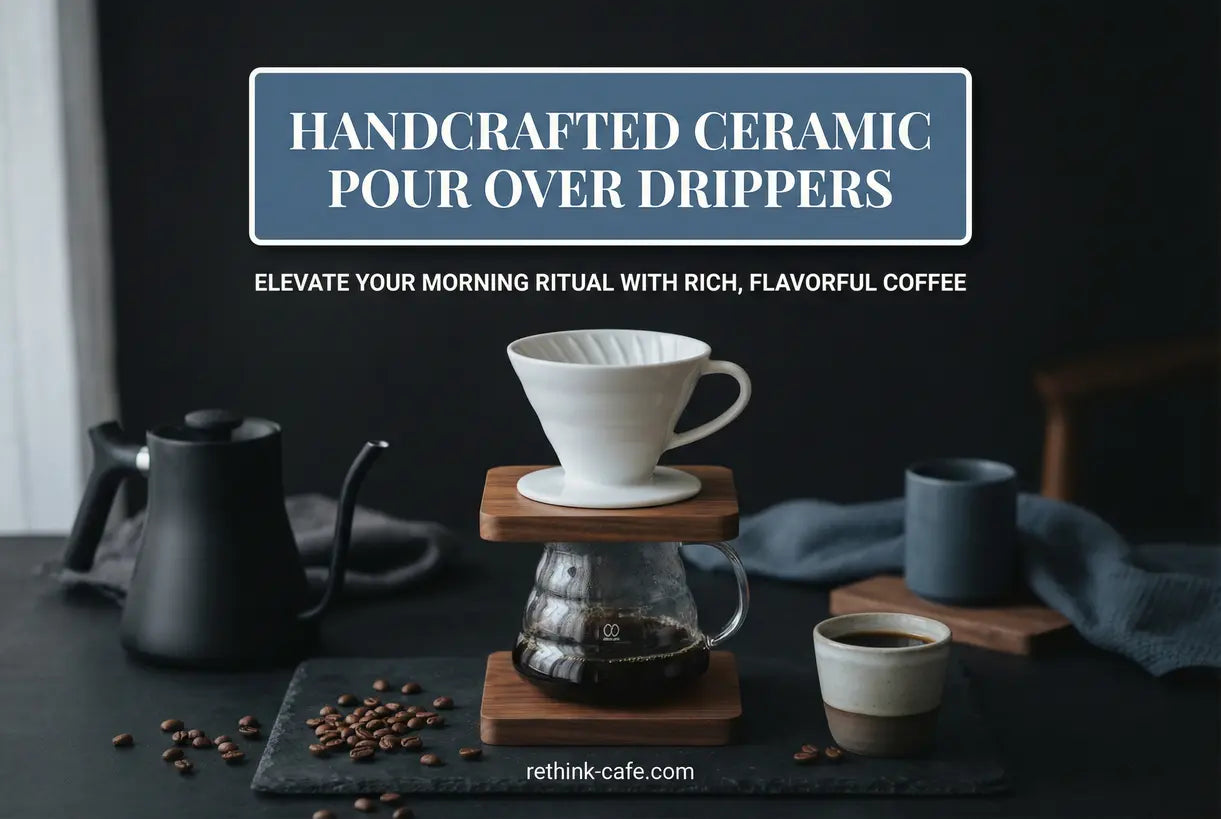
There's something timeless about brewing coffee with a handcrafted ceramic pour over dripper. The weight of the ceramic in your hands, the gentle bloom as water first meets grounds, and the promising aroma that fills your kitchen—all of these elements transform your morning ritual into a mindful experience. For the home barista seeking both aesthetic beauty and superior brewing performance, ceramic pour over coffee drippers offer an unparalleled combination of form and function that plastic and glass alternatives simply cannot match.
But what makes these artisan ceramic brewers so special, and why are coffee enthusiasts increasingly choosing them over other materials? In this guide, we'll explore the distinct advantages of ceramic pour over drippers, from their exceptional heat retention properties to the way they elevate the visual appeal of your coffee corner. Whether you're upgrading from a plastic dripper or investing in your first pour over setup, understanding the nuances of ceramic brewing will help you extract the richest, most flavorful cup possible.
Why Choose Ceramic for Pour Over Brewing?
When selecting a pour over coffee maker, material choice significantly impacts your brewing results. Ceramic pour over drippers have earned their reputation among specialty coffee professionals for several compelling reasons that go beyond mere aesthetics.
First and foremost, ceramic offers superior heat retention compared to plastic or even glass alternatives. This thermal stability is crucial during the brewing process, as temperature fluctuations can lead to uneven extraction. A ceramic coffee pour over maintains consistent heat throughout the entire brewing cycle, ensuring that water passing through your coffee bed stays within the optimal temperature range longer. This consistency translates directly to richer flavor extraction and a more balanced cup.
Additionally, high-quality ceramic is chemically inert, meaning it won't impart any unwanted flavors or odors to your brew. Unlike some plastic drippers that can retain oils and aromas from previous brews, a glazed ceramic surface remains neutral and easy to clean thoroughly. This purity allows you to taste your coffee exactly as the roaster intended.
[IMAGE PLACEHOLDER - Image 1 should go here]The Craftsmanship Behind Handcrafted Ceramic Drippers
The resurgence of interest in handcrafted ceramic drippers speaks to a broader appreciation for artisanal products in the coffee world. Unlike mass-produced plastic drippers, each ceramic pour over coffee dripper carries the subtle marks of its maker—slight variations in glaze color, texture, and shape that make every piece unique.
Japanese ceramic drippers, particularly those following traditional pottery techniques, exemplify this marriage of form and function. Regions like Arita and Tokoname in Japan have centuries of ceramics expertise, and many contemporary coffee dripper manufacturers tap into this heritage. The result is a porcelain pour over or stoneware dripper that serves as both a functional brewing device and a piece of art for your kitchen counter.
The precision of these handcrafted pieces extends to their design elements. Ribs or spiral channels carved into the interior walls of the dripper create air gaps between the filter and ceramic, promoting even water flow and preventing the vacuum effect that can stall your brew. This attention to detail ensures that your ceramic pour over set performs as beautifully as it looks.
Ceramic vs. Other Materials: Making the Right Choice
A common question among home brewers centers on material selection: Is ceramic good for pour-over coffee compared to glass or plastic? The answer depends on your priorities, but ceramic consistently wins in several key areas.
Heat retention: Ceramic absorbs heat initially, then maintains a stable temperature throughout brewing. Glass loses heat rapidly, while plastic can sometimes insulate too well, potentially leading to over-extraction if water remains too hot for too long. A ceramic V60 dripper or similar style brewer helps maintain the 195-205°F range recommended for optimal extraction.
Durability and longevity: While ceramic can chip if dropped, with proper care, a high-quality dripper can last decades. Plastic degrades over time, especially when exposed to hot water and coffee oils. Artisan ceramic brewers become heirlooms, aging gracefully and developing character without compromising performance.
Sustainability: Ceramic is environmentally friendly—it's made from natural clay and minerals, contains no harmful chemicals, and won't contribute to plastic waste. For the eco-conscious home barista, this makes ceramic an easy choice.
Glass vs. Ceramic Coffee Drippers
When choosing between glass or ceramic coffee drippers, consider heat stability. Glass allows you to watch brewing progress, but it bleeds heat quickly unless double-walled. Ceramic provides better thermal mass, keeping your slurry temperature consistent. If visibility matters to you, some prefer glass for monitoring bloom and flow rate, but for pure brewing performance, ceramic takes the lead.
Essential Accessories for Your Ceramic Pour Over Setup
Achieving café-quality results with your ceramic pour over requires the right supporting equipment. While the dripper itself is the star, complementary tools ensure you extract maximum flavor from your beans.

The Importance of a Gooseneck Kettle
Precise pouring technique is fundamental to pour over success. The speed, height, and pattern of your water pour dramatically affect extraction. A standard kettle simply cannot provide the control needed for the circular, spiral pours that ensure even saturation of your coffee bed.

Stainless Steel Gooseneck Kettle for Pour Over Coffee
$79.90 $150.00
Every great ceramic pour over starts with controlled pouring. This precision gooseneck kettle delivers a steady, thin stream for even saturation and optimal extraction from your ceramic dripper.
Explore ProductThe Stainless Steel Gooseneck Kettle for Pour Over Coffee offers the precise flow control necessary for mastering bloom pours and main pours alike. Its ergonomic design reduces wrist strain during the three-to-four-minute brewing process, while the temperature stability ensures your water remains at the target temperature throughout.

Brewing Techniques for Ceramic Pour Over Success
Understanding how long a ceramic pour over takes to brew helps you manage expectations and dial in your technique. Typically, you should expect a total brew time between three to four minutes for a standard serving size. This timing includes the crucial blooming phase—the initial pour that saturates the grounds and allows carbon dioxide to escape.
Mastering the Bloom Phase
The bloom sets the stage for the entire extraction. When you first pour water onto fresh coffee grounds, they puff up and release gases. With a ceramic dripper, the heat retention actually helps maintain this activity longer than with glass. Wait 30-45 seconds after your initial pour before continuing, allowing the coffee to degas properly and ensuring subsequent water passes through evenly extracted grounds.
Pour Over Coffee Filter Papers
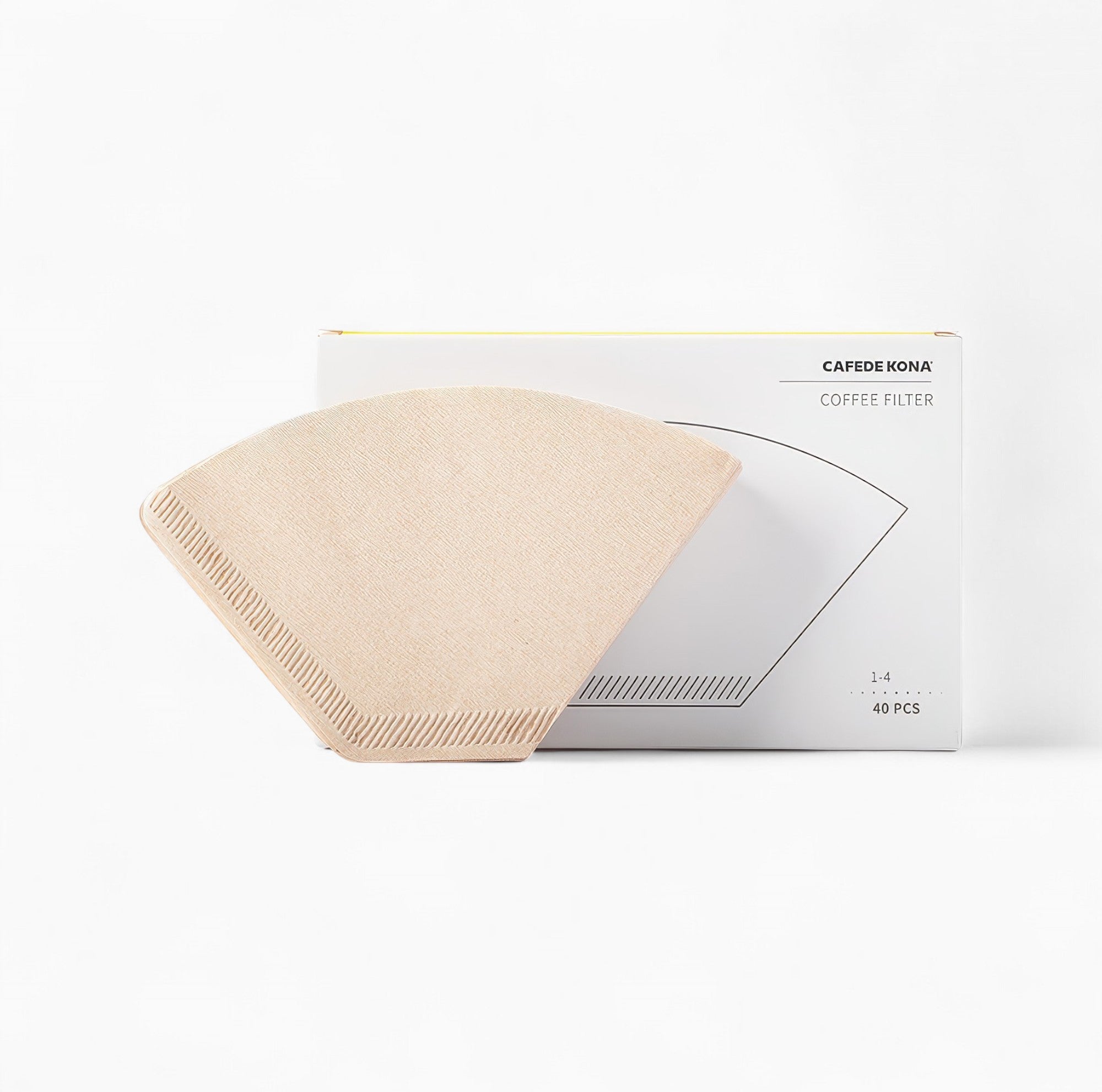
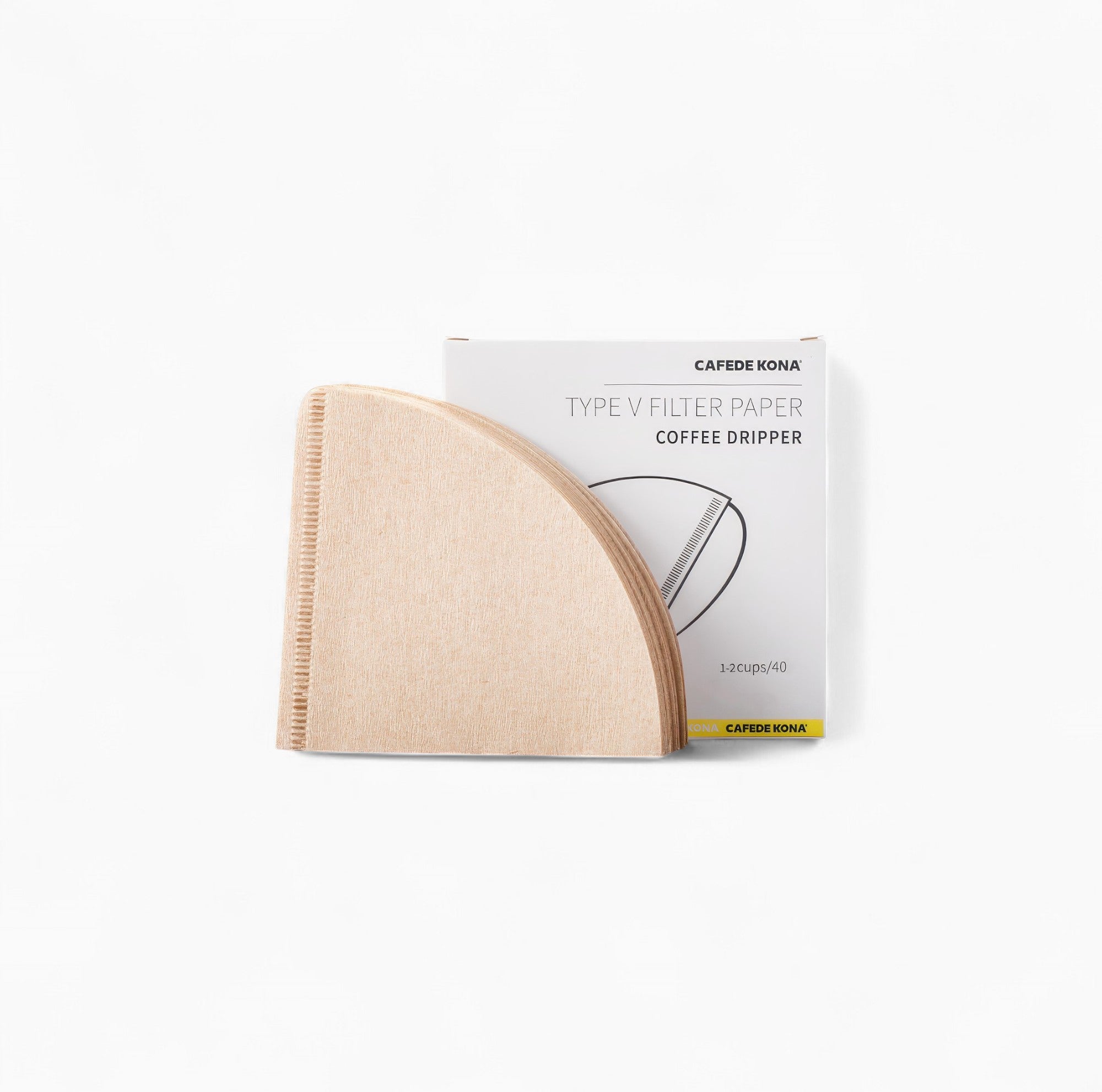
Your filter choice impacts flavor as much as your dripper material. While ceramic provides the optimal brewing environment, the filter paper you use removes fines and oils, creating clarity in the cup. However, not all filters are created equal—chemical residues from bleached papers can taint your coffee's natural sweetness.
Complete Your Ceramic Pour Over Setup

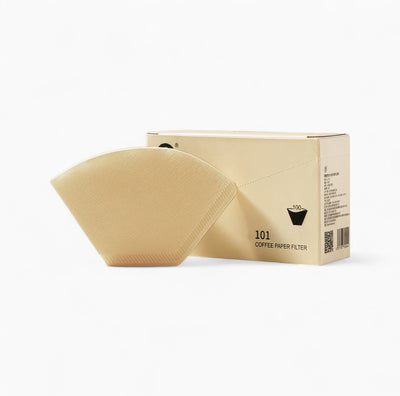
V60 Pour Over Coffee Filter Papers Chemical-Free
$12.90
$22.00
Pair your ceramic pour over dripper with these natural wood pulp filter papers. Chemical-free construction ensures nothing stands between you and the rich flavor your ceramic dripper extracts. Learn more ➔

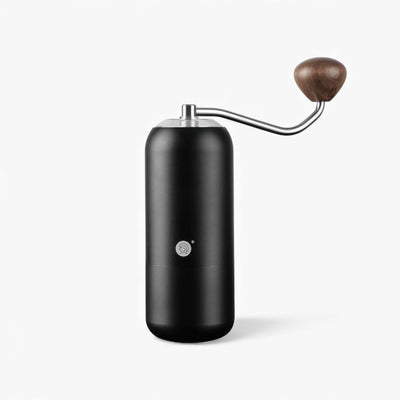
Conical Burr Coffee Grinder with 25 Grind Settings
$74.99
$89.99
Achieve the consistent grind size essential for ceramic pour over brewing. With 25 adjustable settings, dial in the perfect particle size to unlock the full potential of your handcrafted ceramic dripper. Learn more ➔
The V60 Pour Over Coffee Filter Papers complement your ceramic dripper perfectly by allowing the nuanced flavors developed during brewing to shine through without paper taste interference. Pair these with freshly ground coffee from the Conical Burr Coffee Grinder, which provides the consistent particle size distribution necessary for even extraction. The 25 grind settings let you dial in precisely for your specific ceramic dripper's flow rate.
Troubleshooting Your Ceramic Pour Over Technique
Even with premium equipment, you might encounter challenges perfecting your brew. Understanding common issues helps you adjust quickly and achieve consistent results.
Addressing Bitterness in Ceramic Pour Over Coffee
If you're wondering why your ceramic pour over coffee is bitter, the culprit usually lies in extraction variables rather than the ceramic material itself. Bitterness typically indicates over-extraction. Check your grind size first—it should resemble coarse sea salt, not powder. If grinding too fine isn't the issue, try pouring faster or using slightly cooler water (around 195°F instead of 205°F). The excellent heat retention of ceramic can sometimes work against you if water temperature stays too high for too long.
Preheating Your Ceramic Dripper
A critical step many beginners skip is preheating the ceramic pour over dripper. Unlike plastic, ceramic draws heat from your brewing water initially. Without preheating, the first water hitting your bed loses several degrees to the cold ceramic walls, leading to under-extraction in early stages.
To preheat effectively, rinse your paper filter with hot water directly into the ceramic dripper positioned over your mug or carafe. This serves double duty: it removes papery taste from the filter and warms the ceramic thoroughly. Discard this rinse water before adding your grounds. The ceramic will now maintain brewing temperature from the first drop.
Pro Tip: Place your ceramic dripper in your server or mug while preheating so both vessels warm simultaneously. This prevents temperature shock when brewing begins.

Comparing Pour Over Methods and Strength
When considering which method makes stronger coffee, pour over sits in the middle of the strength spectrum. It produces cleaner, more nuanced cups than immersion methods like French press, but typically yields more body than espresso. The brewed coffee from a ceramic pour over tends to highlight acidity and delicate aromatics rather than sheer intensity.
However, you can increase strength by adjusting your coffee-to-water ratio. Moving from the standard 1:16 ratio (one gram of coffee to 16 grams of water) to 1:15 or even 1:14 produces a more robust cup. The quality of your handmade coffee dripper ensures these stronger ratios don't introduce harshness—ceramic's even heat distribution prevents the uneven extraction that can make strong coffee taste muddy or astringent.
Caring for Your Ceramic Pour Over Equipment
With proper care, your artisan ceramic brewer becomes a lifelong companion. While ceramic is durable, a few simple practices preserve its beauty and function.
Avoid thermal shock by not exposing your dripper to extreme temperature changes—don't pour boiling water into a cold dripper fresh from the cabinet, and don't rinse a hot dripper with cold water immediately after brewing. Most quality ceramics handle normal temperature ranges well, but rapid shifts can cause cracking.
Clean your ceramic dripper with warm water and mild soap after each use. The glazed surface resists staining, but coffee oils can accumulate in grooves over time. A soft brush helps maintain rib channels where water flows. Unlike plastic, ceramic won't retain odors, but periodic deep cleaning with a coffee equipment cleaner keeps everything pristine.
Storage Tip: Store your ceramic pour over in a cabinet or on a countertop where it won't be knocked over. Consider displaying it—many handcrafted pieces are beautiful enough to leave out as kitchen décor between brews.
Building Your Complete Pour Over Ritual
Investing in a ceramic pour over coffee dripper represents more than a purchase—it's an entry into a mindful brewing tradition that connects you to centuries of coffee culture. The tactile pleasure of handling a handcrafted piece, combined with the superior thermal properties that extract maximum flavor from your beans, creates a morning experience worth savoring.
At Rethink Cafe, we curate accessories that honor this ritual. From precision pour over equipment like gooseneck kettles to chemical-free filters and capable grinders, every tool in our collection serves the goal of helping you brew your best cup. The true beauty of ceramic pour over brewing lies not just in the destination—the perfect cup of coffee—but in the journey of slow, intentional preparation that starts your day with focus and satisfaction.
Whether you choose a traditional Japanese ceramic dripper design or a modern artisan interpretation, the principles remain the same: respect the craft, control your variables, and let quality materials do what they do best. Your ceramic dripper isn't just brewing coffee—it's brewing a moment of peace in your busy day.
Frequently Asked Questions about Ceramic Pour Over Coffee
Yes, ceramic is excellent for pour-over coffee. It provides superior heat retention compared to plastic or glass, maintaining a stable brewing temperature throughout the extraction process. Ceramic is also chemically inert, meaning it won't impart unwanted flavors or absorb coffee oils and odors. The thermal mass of ceramic helps ensure consistent extraction, resulting in a more balanced and flavorful cup.
Ceramic is generally considered superior to plastic for serious coffee brewing. While plastic drippers are affordable and durable (resistant to breaking if dropped), they can retain coffee oils and odors over time and may introduce subtle off-flavors. Ceramic offers better heat retention, is completely flavor-neutral, and is more environmentally friendly. However, plastic conducts less heat initially, which some beginners find easier to work with. For optimal flavor extraction and longevity, ceramic is the preferred choice.
Ceramic typically outperforms glass in heat retention, which is crucial for proper coffee extraction. Glass loses heat rapidly unless double-walled, potentially leading to temperature drops that under-extract coffee. Ceramic maintains stable temperature longer, ensuring consistent brewing conditions. Glass offers the advantage of visibility—you can watch your bloom and flow rate—but for pure brewing performance and thermal stability, ceramic is the superior choice. Glass is also more fragile and susceptible to thermal shock.
Espresso produces the strongest coffee, followed by immersion methods like French press and AeroPress. Pour over methods, including ceramic pour over, produce a cleaner, lighter-bodied cup that emphasizes flavor clarity over strength. However, you can increase pour over strength by adjusting your coffee-to-water ratio (using less water per gram of coffee) or grinding finer to increase extraction. Pour over tends to highlight acidity and aromatics rather than sheer intensity.
Ceramic pour over drippers offer three main advantages over plastic: superior heat retention for consistent extraction, chemical neutrality that prevents flavor contamination, and longevity (ceramic doesn't degrade or retain odors over time). Ceramic maintains optimal brewing temperature (195-205°F) better than plastic, which can sometimes insulate too well or retain residual heat. Additionally, handcrafted ceramic pieces offer aesthetic value and sustainable construction that plastic cannot match.
Preheat your ceramic dripper by placing it over your serving vessel and pouring hot water (just off boil) through a rinsed paper filter. Let the water heat the ceramic for 10-15 seconds before discarding. This step is crucial because ceramic draws heat away from brewing water initially—without preheating, your first extraction will occur at suboptimal temperatures. Some baristas also preheat their ceramic drippers on the cup warmer of an espresso machine or by filling with hot water from a kettle before setting up.
Bitterness in ceramic pour over usually indicates over-extraction. Common causes include grinding too fine, using water that's too hot, brewing too slowly, or not preheating the dripper (causing initial under-extraction followed by over-extraction as water cools). Try coarsening your grind slightly, lowering water temperature to 195-200°F, or pouring faster. Because ceramic retains heat so well, it can sometimes maintain temperatures too long, so you may need to adjust timing compared to other materials.
A standard ceramic pour over brew takes 3 to 4 minutes total. This includes a 30-45 second bloom phase (initial wetting of grounds) followed by pulses or a continuous pour of the remaining water. If your brew finishes under 2 minutes, your grind is likely too coarse. If it takes longer than 4-5 minutes, your grind may be too fine or your pour technique may need adjustment. The excellent heat retention of ceramic can sometimes slow drainage slightly compared to plastic.