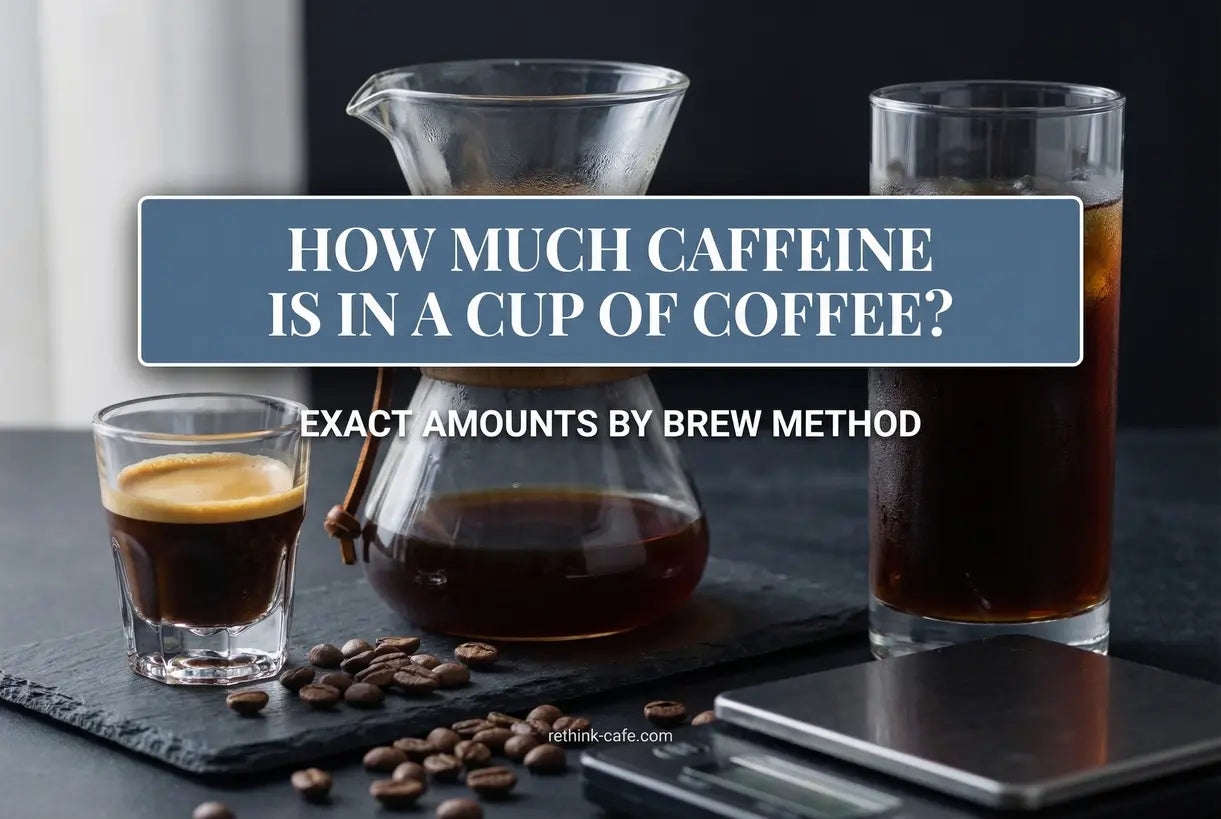
Understanding how much caffeine is in average cup of coffee has become essential for health-conscious consumers and home baristas alike. Whether you're tracking your daily intake for wellness reasons or simply curious about what goes into your morning ritual, knowing the exact caffeine content can transform how you approach your brew.
At Rethink Cafe, we believe that knowledge is the foundation of exceptional coffee. This comprehensive guide breaks down caffeine amounts across all major brewing methods, helping you make informed decisions about your daily consumption while optimizing your home brewing experience.
What Determines Caffeine Content in Coffee?
Before diving into specific numbers, it's important to understand that caffeine content varies significantly based on several key factors. The type of coffee bean, roast level, grind size, and brewing method all play crucial roles in determining how much caffeine ends up in your cup.
Arabica beans typically contain 1.2-1.5% caffeine by weight, while Robusta beans pack nearly double at 2.2-2.7%. This means your bean selection alone can dramatically impact your caffeine intake. Additionally, contrary to popular belief, lighter roasts actually contain slightly more caffeine than dark roasts when measured by weight, though the difference is minimal when using volume measurements.
Caffeine Content by Brewing Method: The Complete Breakdown
Now let's examine the exact caffeine amounts you can expect from different brewing methods. These figures represent averages based on standard serving sizes and can vary depending on your specific equipment and technique.

Espresso: Concentrated Caffeine Power
A standard single shot of espresso (1 ounce) contains approximately 63 milligrams of caffeine. While this seems modest compared to a full cup of drip coffee, remember that espresso is highly concentrated. A double shot delivers around 126 milligrams, making it a potent choice for those seeking a quick caffeine boost.
The pressure extraction method used in espresso machines efficiently extracts caffeine along with oils and flavor compounds. For home baristas looking to perfect their espresso game, precise dosing is essential for consistent caffeine content and flavor profiles.
Drip Coffee: The Standard Reference
When people ask how much caffeine is in average cup of coffee, they're typically referring to drip coffee. An 8-ounce cup contains between 95 to 200 milligrams of caffeine, with most standard brews falling around 120 milligrams.
The wide range depends on factors like coffee-to-water ratio, grind size, and brew time. A stronger brew using more grounds or longer extraction will naturally contain more caffeine. This variability makes drip coffee both versatile and somewhat unpredictable for those tracking exact intake.
Cold Brew: The Caffeine Heavyweight
Cold brew coffee often surprises people with its high caffeine content. A 12-ounce serving can contain anywhere from 150 to 300 milligrams of caffeine, with some concentrated cold brews reaching even higher levels.
The extended steeping time (typically 12-24 hours) allows for maximum caffeine extraction, while the cold water preserves the smooth, low-acidity flavor profile. For those seeking maximum caffeine with minimal bitterness, cold brew is an excellent choice—just be mindful of the serving size.
Pour Over: Precision and Control
Pour over coffee typically contains 120 to 175 milligrams of caffeine per 8-ounce cup. This method offers excellent control over extraction, allowing you to fine-tune both flavor and caffeine content through pour rate, water temperature, and grind size adjustments.
The manual nature of pour over brewing makes it a favorite among coffee enthusiasts who appreciate the ritual and precision. By controlling variables like bloom time and pour pattern, you can optimize extraction efficiency and achieve consistent caffeine levels.
Precision Tools for Controlling Your Caffeine Intake
Achieving consistent caffeine levels requires precise measurement and control over your brewing variables. Whether you're tracking intake for health reasons or simply want predictable results, the right tools make all the difference.

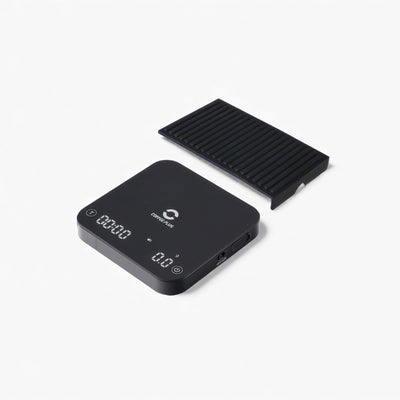
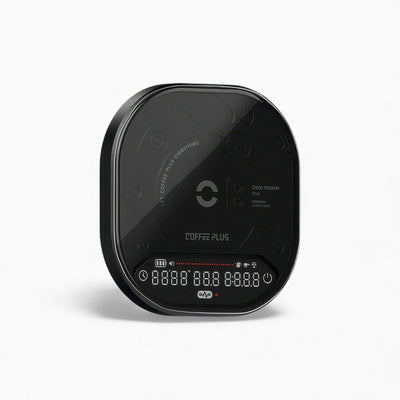
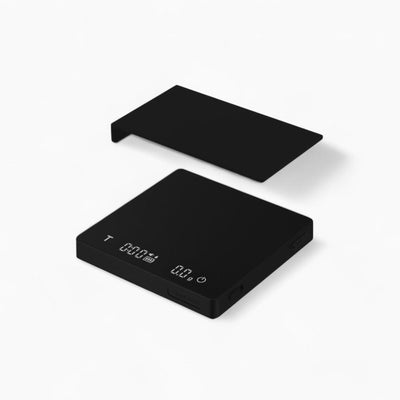
Using a Bluetooth Smart Coffee Scale with App Control allows you to track exact coffee-to-water ratios, ensuring consistent caffeine extraction every time. This level of precision is especially valuable when you're trying to maintain specific daily caffeine limits.

Bluetooth Smart Coffee Scale with App Control
$126.90 $252.00
Track your coffee-to-water ratios with precision using this Bluetooth-enabled scale. Perfect for dialing in consistent brews while monitoring caffeine intake.
Explore Product


Understanding Safe Caffeine Limits
Now that you know how much caffeine is in average cup of coffee across different brewing methods, it's important to understand recommended daily limits. The FDA suggests that healthy adults can safely consume up to 400 milligrams of caffeine per day—roughly equivalent to four 8-ounce cups of drip coffee or two large cold brews.
However, individual tolerance varies significantly based on factors like body weight, metabolism, and caffeine sensitivity. Pregnant women are generally advised to limit intake to 200 milligrams daily, while those with certain heart conditions or anxiety disorders may need to consume even less.

Optimizing Your Brew for Your Caffeine Goals
Whether you're looking to maximize your morning energy boost or carefully manage your intake, understanding brewing variables gives you complete control. Here are practical tips for achieving your desired caffeine levels:
- For higher caffeine: Choose Robusta blends, use finer grinds, extend brew times, and increase coffee-to-water ratios. Cold brew and French press methods typically extract the most caffeine.
- For moderate caffeine: Standard drip coffee or pour over with medium grinds and typical ratios (1:15 to 1:17 coffee-to-water) provide balanced, predictable results.
- For lower caffeine: Choose Arabica beans, use lighter roasts, decrease brew times, and dilute your coffee with more water. Half-caff blends are also an excellent option.
Serving your espresso in quality glassware like the Flame Crystal Cut Glass Espresso Cup Handcrafted enhances the entire experience, making each precisely measured shot feel like a café-quality indulgence.
Elevate Your Caffeine Control

Flame Crystal Cut Glass Espresso Cup Handcrafted
$15.90
$27.00
Serve your perfectly measured espresso shots in this artisan-crafted crystal cup. Hand-colored finish makes every caffeine moment feel special. Learn more ➔

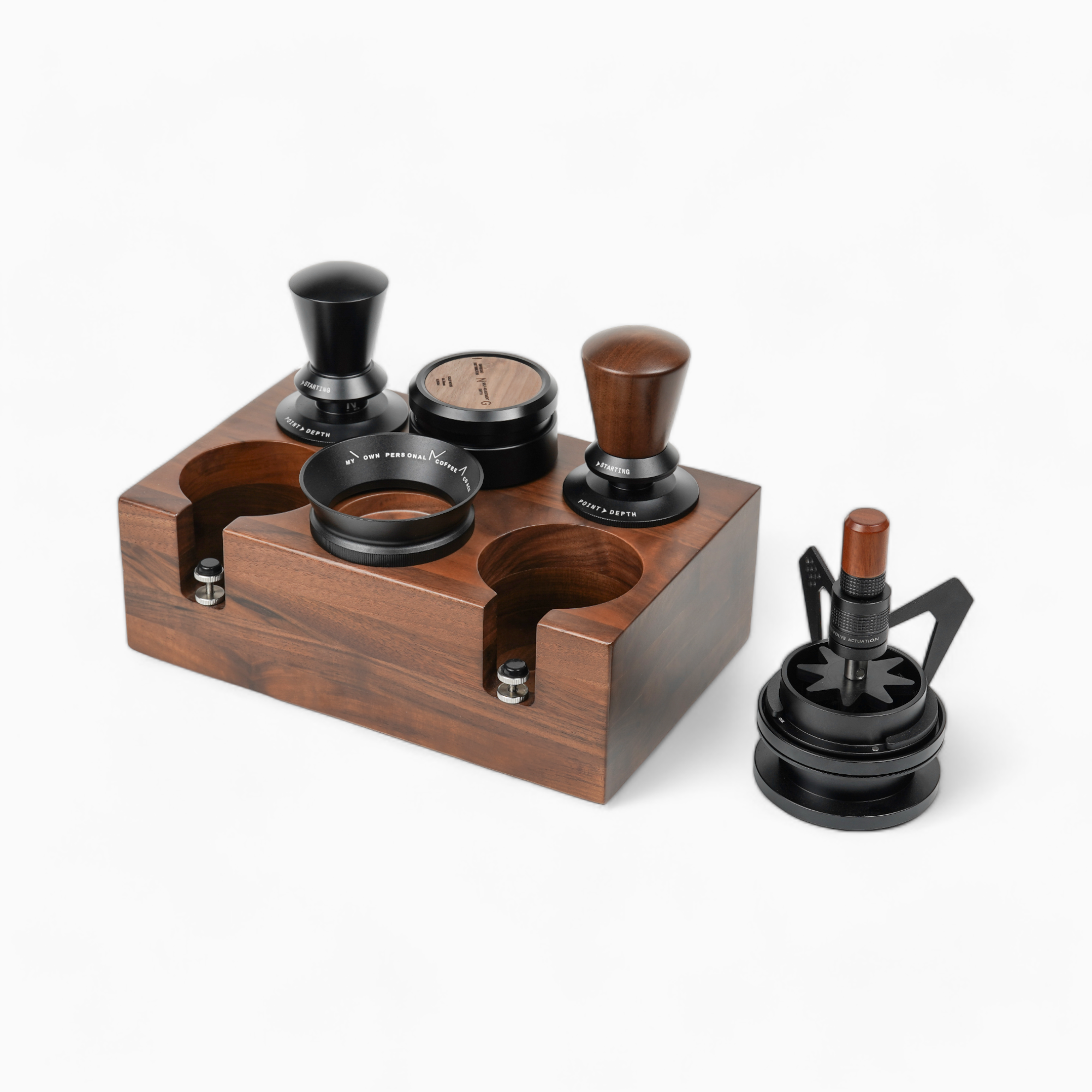
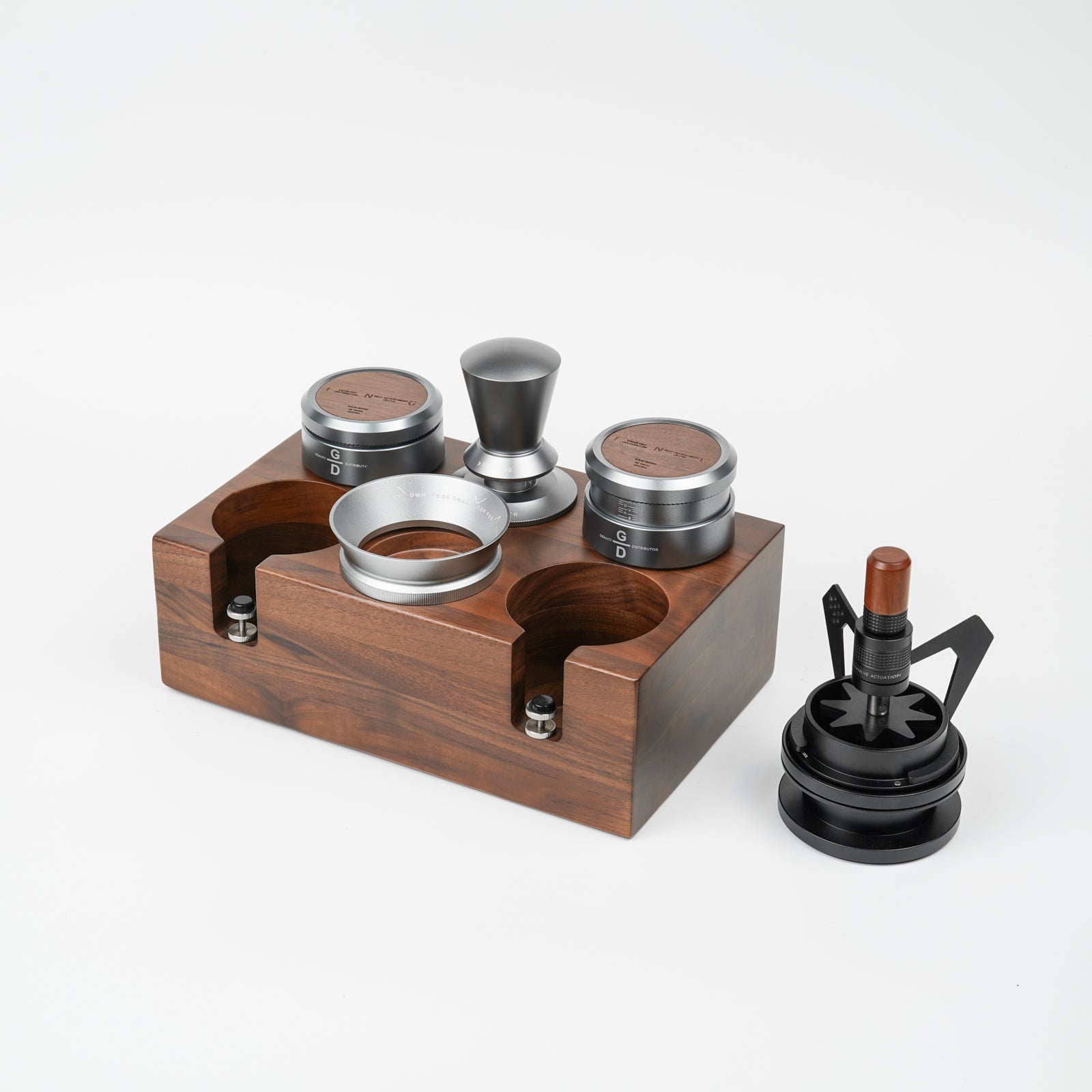
Barista Master Bundle Kit with Tamper and Distributor
$324.90
$382.00
Achieve consistent espresso extractions with this complete workflow kit. Precise dosing tools help you control caffeine content shot after shot. Learn more ➔
Conclusion: Master Your Caffeine Knowledge with Rethink Cafe
Understanding how much caffeine is in average cup of coffee empowers you to make informed decisions about your daily consumption. From the concentrated punch of espresso to the steady release of cold brew, each brewing method offers unique caffeine characteristics that can be tailored to your lifestyle and health goals.
At Rethink Cafe, we're committed to helping home baristas achieve café-quality results with precision and confidence. Our curated selection of coffee scales, espresso cups, and barista tools gives you complete control over every variable—including caffeine content.
Whether you're optimizing your morning routine, managing your intake for health reasons, or simply pursuing the perfect cup, the right equipment makes all the difference. Explore our collection today and take the guesswork out of your daily brew.
Frequently Asked Questions about Caffeine in Coffee
An average 8-ounce cup of drip coffee contains approximately 95 to 200 milligrams of caffeine, with most standard brews averaging around 120 milligrams. However, caffeine content varies significantly based on brewing method, bean type, and serving size. Espresso contains about 63 milligrams per ounce, while cold brew can pack 150 to 300 milligrams per 12-ounce serving.
While espresso is more concentrated, a full cup of drip coffee typically contains more total caffeine than a single espresso shot. A 1-ounce espresso shot contains approximately 63 milligrams of caffeine, while an 8-ounce cup of drip coffee averages 95 to 200 milligrams. However, if you compare equal volumes, espresso has significantly more caffeine per ounce due to its concentrated nature and pressurized extraction method.
Cold brew coffee typically contains the highest caffeine content per serving, with 12-ounce servings packing 150 to 300 milligrams or more. This is due to the extended steeping time (12-24 hours) which allows for maximum caffeine extraction. French press and percolator methods also tend to produce higher caffeine levels compared to standard drip coffee. However, espresso has the highest concentration per ounce, making it the most caffeine-dense option when comparing equal volumes.
Cold brew coffee contains approximately 150 to 300 milligrams of caffeine per 12-ounce serving, making it one of the most caffeinated coffee options available. Some concentrated cold brews, particularly those marketed as "extra strength" or used as espresso alternatives, can contain even higher amounts. The extended steeping process (12-24 hours at room temperature or in the refrigerator) allows for maximum caffeine extraction from the grounds. If you're sensitive to caffeine, consider diluting your cold brew with water or milk, or opting for smaller serving sizes.
For most healthy adults, 200 milligrams of caffeine is considered a moderate amount and falls well within safe daily limits. The FDA recommends that healthy adults consume no more than 400 milligrams of caffeine per day, so 200mg represents half of that recommended maximum. This amount is roughly equivalent to one strong 8-ounce cup of drip coffee or two standard espresso shots. However, individual tolerance varies significantly—some people may experience jitters or anxiety at 200mg, while regular caffeine consumers may barely notice the effects. Factors like body weight, metabolism, medication use, and pregnancy status can all affect how your body processes caffeine.