

For coffee enthusiasts who crave the rich, complex flavors of espresso but want to avoid the jitters, decaf espresso has emerged as a compelling alternative. Whether you're sensitive to caffeine, looking to enjoy an evening cup without disrupting your sleep, or simply curious about expanding your coffee horizons, understanding what decaf espresso truly offers can transform your home brewing experience.
Many home baristas hesitate to explore decaf options, fearing compromised flavor or watered-down results. The truth? With the right beans, equipment, and techniques, decaf espresso can deliver a satisfying, full-bodied experience that rivals its caffeinated counterpart. In this guide, we'll explore whether decaf espresso tastes as good as regular espresso, if it's worth incorporating into your routine, and how to achieve café-quality results in your own kitchen.

Does Decaf Espresso Really Taste Different?
The million-dollar question on every coffee lover's mind: will I be disappointed by the flavor? The honest answer is that decaf espresso can taste remarkably similar to regular espresso when prepared correctly, though subtle differences do exist.
Modern decaffeination methods, particularly the Swiss Water Process, have revolutionized how we remove caffeine from coffee beans. Unlike older chemical-based methods that stripped away flavor compounds along with caffeine, these advanced techniques preserve the bean's essential oils and aromatic qualities. The result? A cup that retains the chocolatey, nutty, and fruity notes you expect from quality espresso.
However, decaf beans often exhibit slightly muted brightness and a softer acidity compared to their caffeinated siblings. Some tasters describe decaf espresso as having a smoother, more mellow profile—qualities that many actually prefer, especially for evening consumption. The key to exceptional flavor lies in freshness and proper storage, as decaf beans can stale more quickly due to the structural changes they undergo during processing.

Understanding Caffeine Content in Decaf Espresso
Contrary to what the name suggests, decaf espresso isn't completely caffeine-free. Understanding the actual caffeine levels helps set realistic expectations and informs your consumption choices throughout the day.
A typical single shot of decaf espresso contains approximately 3-15 milligrams of caffeine, compared to 60-75 milligrams in a regular espresso shot. For context, an 8-ounce cup of drip coffee packs around 95 milligrams. This dramatic reduction makes decaf espresso an excellent choice for those looking to minimize caffeine intake while still enjoying the ritual and flavor of espresso.
The exact caffeine content varies based on several factors:
- The decaffeination method used
- The coffee bean variety (Arabica vs. Robusta)
- The extraction time and pressure during brewing
- The amount of coffee used in the portafilter
For most people, even multiple decaf espresso shots throughout the day won't trigger caffeine sensitivity symptoms like anxiety, rapid heartbeat, or sleep disruption. This makes it an ideal option for afternoon or evening enjoyment.
Can You Make Good Espresso with Decaf Beans?
Absolutely—and the secret lies in treating decaf beans with the same respect and precision you'd give to any premium coffee. The notion that decaf espresso can't match regular espresso in quality is largely a myth perpetuated by poor brewing practices and stale beans.
Decaf espresso beans require some specific considerations during preparation. Because the decaffeination process alters the cellular structure of the beans, they typically extract differently than regular beans. You may notice that decaf grinds tend to clump more and can be slightly more brittle. This means your grinder choice becomes even more critical for achieving consistent particle size distribution.
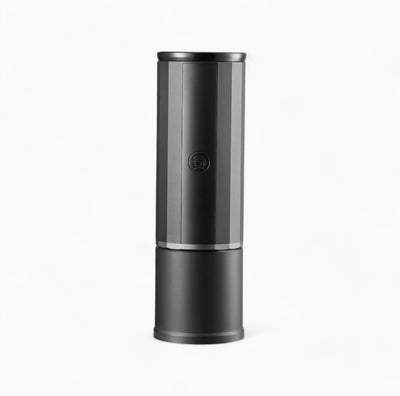
The Mechanic E-Grinder Precision Conical Burr Coffee Grinder addresses these challenges beautifully with its 100-step adjustment system and near-zero retention design. When grinding decaf beans, you want to minimize retention to preserve the delicate oils that can degrade quickly in decaffeinated coffee.

Temperature stability also plays a crucial role. Decaf beans often benefit from slightly lower brewing temperatures (around 198-200°F rather than the standard 200-202°F) to prevent over-extraction and bitterness. Taking the time to dial in these variables rewards you with a shot that rivals any café offering.
The Art of Brewing Exceptional Decaf Espresso at Home
Mastering decaf espresso at home requires attention to detail and quality equipment. The foundation of every great shot starts with the grind, and investing in a reliable grinder makes the difference between mediocre and magnificent results.

Mechanic E-Grinder Precision Conical Burr Coffee Grinder
$375.90 $650.00
Achieve the perfect grind for your decaf espresso with this precision conical burr grinder featuring 100-step adjustment and near-zero retention for maximum freshness.
Explore ProductWhen dialing in your decaf espresso, start with a slightly finer grind than you would for regular beans. The structural changes from decaffeination mean the coffee extracts faster, so a finer grind helps achieve optimal extraction time (typically 25-30 seconds for a double shot). Pay close attention to the golden crema—a sign of proper extraction and fresh beans.
Pre-infusion can be particularly beneficial for decaf espresso. Allowing water to saturate the puck gently for 2-3 seconds before full pressure helps compensate for the altered bean structure and promotes more even extraction. This technique reduces channeling and produces a more balanced, sweeter shot.
Key Variables to Control
- Grind size: Slightly finer than regular espresso, adjusted based on extraction time
- Dose: Standard 18-20 grams for a double shot, but don't be afraid to experiment
- Water temperature: Slightly cooler, around 198-200°F
- Extraction ratio: Aim for 1:2 (coffee to espresso output) as a starting point
- Tamping pressure: Consistent and level, avoiding excessive force
Essential Equipment for Your Decaf Espresso Journey
Beyond the grinder, having the right tools elevates your decaf espresso experience from good to exceptional. The vessels you choose and the brewing method you employ significantly impact flavor perception and enjoyment.
When enjoying your carefully crafted decaf espresso, presentation matters. The right cup maintains optimal temperature while enhancing visual appeal. Similarly, having portable options ensures you never compromise on quality, even when traveling or camping.
Elevate Your Decaf Experience

Enjoy your decaf espresso in style with these heat-resistant double-wall glasses that keep your shot hot while the outer wall stays cool to the touch. Learn more ➔

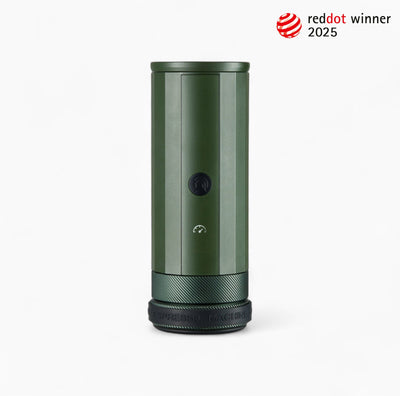
Pneumatic Portable Espresso Maker 9 Bar Pressure
$255.90
$425.00
Pull perfect decaf espresso shots anywhere with this portable 9-bar pneumatic espresso maker that delivers café-quality results without electricity. Learn more ➔
The Double Wall Borosilicate Glass Espresso Cups preserve the visual beauty of your crema while keeping your shot at the perfect sipping temperature. The Pneumatic Portable Espresso Maker opens up possibilities for enjoying quality decaf espresso anywhere, delivering consistent 9-bar pressure extraction that rivals stationary machines.
When Is the Best Time to Enjoy Decaf Espresso?
One of the greatest advantages of decaf espresso is its versatility across any time of day. Unlike regular espresso, which many people avoid after 2 PM to protect their sleep, decaf espresso imposes no such restrictions.
Evening enjoyment stands out as the most popular time for decaf espresso. After dinner, when you crave the comforting ritual of espresso but need restful sleep, a decaf shot delivers satisfaction without consequences. Many home baristas report that their evening decaf routine becomes a cherished moment of mindfulness and relaxation.
However, don't limit yourself to nighttime consumption. Decaf espresso serves as an excellent afternoon pick-me-up when you want the sensory pleasure of coffee without the caffeine spike that could disrupt your evening wind-down. It's also perfect for those days when you've already had your caffeine quota but still want to participate in the social ritual of sharing espresso with friends or family.
For home baristas practicing their technique, decaf beans offer another significant advantage: you can pull multiple shots in a single session to dial in your grind and technique without consuming excessive caffeine. This makes decaf espresso an invaluable tool for skill development.
Is Decaf Espresso Worth Drinking for Home Baristas?
After exploring taste profiles, caffeine content, and brewing techniques, we return to our central question: is decaf espresso worth your time and investment?
The resounding answer is yes—with caveats. Decaf espresso is absolutely worth drinking if you approach it with appropriate expectations and quality equipment. It will never be exactly identical to caffeinated espresso, but it offers its own unique pleasures and practical benefits that make it a worthy addition to any home barista's repertoire.
The value proposition extends beyond flavor. Decaf espresso allows you to enjoy coffee culture's social and ritualistic aspects regardless of time or caffeine sensitivity. It enables practice and experimentation without physiological consequences. And modern decaf options have evolved to the point where casual drinkers often cannot distinguish them from regular espresso in blind tastings.
Success with decaf espresso ultimately depends on two factors: starting with high-quality, freshly roasted decaf beans from reputable roasters, and using equipment capable of the precision these beans demand. When both elements align, decaf espresso transforms from a compromise into a genuine pleasure—one that might just earn a permanent place in your coffee rotation.
Frequently Asked Questions about Decaf Espresso
Decaf espresso can taste very similar to regular espresso when prepared correctly, though subtle differences exist. Modern decaffeination methods like the Swiss Water Process preserve most flavor compounds, but decaf often has slightly muted acidity and a smoother, mellower profile. Many coffee enthusiasts actually prefer these characteristics, especially for evening drinking. The key to minimizing taste differences lies in using fresh beans and proper brewing techniques.
A single shot of decaf espresso typically contains 3-15 milligrams of caffeine, compared to 60-75 milligrams in regular espresso. This represents about 97% caffeine reduction. By comparison, an 8-ounce cup of drip coffee contains approximately 95 milligrams. The exact amount varies based on the decaffeination method, bean variety, and extraction parameters. For most people, even multiple decaf shots won't cause caffeine-related side effects.
Yes, you can absolutely make excellent espresso with decaf beans. Success requires understanding that decaf beans extract differently due to structural changes from the decaffeination process. Use a slightly finer grind, consider slightly lower brewing temperatures (198-200°F), and employ pre-infusion techniques. Quality equipment like a precision grinder and consistent espresso machine makes a significant difference. With proper technique, decaf espresso can produce beautiful crema and complex flavor profiles.
Decaf espresso is definitely worth drinking for home baristas. It allows you to enjoy espresso's ritual and flavor anytime without caffeine-related sleep disruption. Decaf beans are excellent for practice sessions when you want to dial in equipment or techniques without over-consuming caffeine. Additionally, modern decaf quality has improved dramatically, with many specialty roasters offering single-origin decaf options that showcase unique terroir flavors. For those sensitive to caffeine or wanting evening options, decaf espresso is invaluable.
The best time to drink decaf espresso is whenever you crave espresso flavor without caffeine effects. Evening hours are most popular, allowing enjoyment after dinner without sleep disruption. Afternoon sessions work well when you've reached your caffeine limit but want coffee's comfort. Morning is also appropriate for those eliminating caffeine entirely. Decaf's versatility means there are no restrictions—you can enjoy it socially, during practice sessions, or whenever the mood strikes without worrying about timing.


